At Aria Reserve Miami, advertised security features are a starting point, not a complete operating specification. Buyers should distinguish camera coverage, incident documentation and footage retention while respecting the limits of public disclosure and records access.
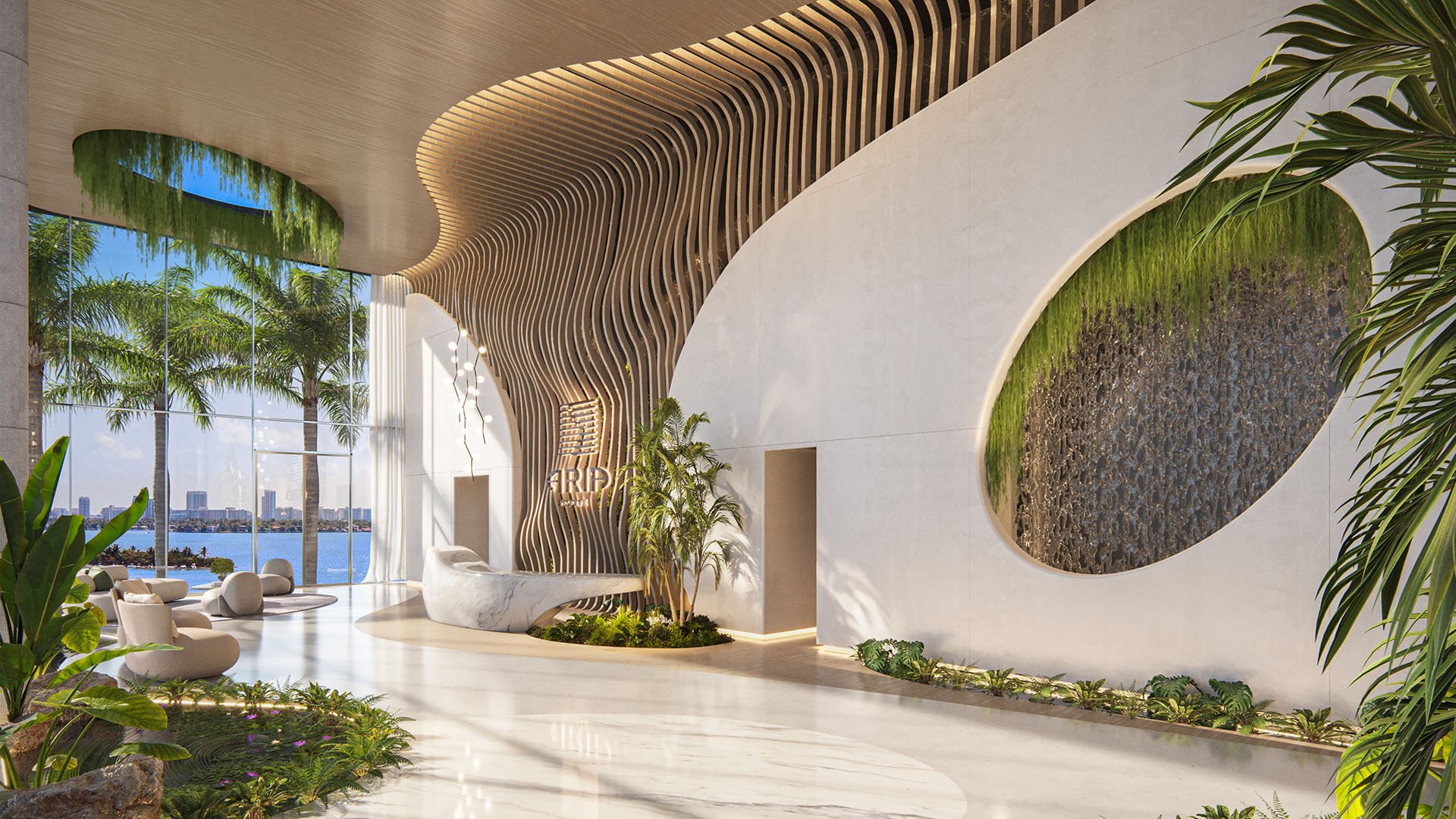
For a luxury condominium buyer, privacy and security deserve the same scrutiny as the residence itself. At Aria Reserve Miami, with a listed address of 725 NE 24th Street, Miami, FL 33137, the question is not simply whether cameras or personnel are advertised. It is what those features establish, what remains unspecified and what a buyer can responsibly request before committing.
The distinction matters: the available information establishes neither actual security blind spots nor prior security incidents at Aria Reserve. An unpublished camera map or retention policy is not evidence that equipment or internal procedures are absent. Treat the subject as operational due diligence, not an allegation about the building.
For an Edgewater purchase, that means separating three issues: where surveillance operates, how concerns are documented and how long different records remain available.
Unit 3002A is advertised with closed-circuit cameras, secured garage parking and a security guard. South Tower Unit 1002 is advertised with key-card entry, an attended lobby, building security and security patrol. These are advertised features, not verified operating protocols.
Neither description establishes camera placement, complete coverage, recording duration or staffing schedules. An attended lobby does not, by itself, explain who reviews recorded footage. A secured garage does not define how visitor access is approved. These are matters for written clarification, not gaps to fill with assumptions.
Buyers should review the required Florida condominium purchase disclosures with counsel, but should not assume they contain camera maps, surveillance specifications or retention policies. Statutory purchase disclosures and operating procedures answer different questions.
An exact camera count, detailed camera map and documented blind-spot assessment are not established by the information available here. Coverage therefore remains unresolved for a buyer; that does not prove any particular location is unmonitored.
Request a management-level explanation of coverage categories rather than a distributable technical diagram. Ask whether access points, parking circulation and shared circulation areas fall within the surveillance program, where applicable. Seek confirmation of who evaluates coverage and whether a process exists for reviewing concerns when layouts or operating conditions change.
Keep the request focused on accountability: who checks that equipment is functioning, how interruptions are escalated and whether corrective work is documented. These are proposed diligence questions, not descriptions of Aria Reserve’s existing system.
A buyer also considering EDITION Edgewater should use the same questionnaire rather than assume comparable marketing language means comparable operations. The objective is a consistent basis for evaluation, not a security ranking unsupported by operating records.
No formal incident-log or surveillance-footage retention schedule is established by the information available here. Buyers should not assume a particular number of recording days-or that footage will remain available whenever an issue is discovered.
Ask for separate written explanations of routine video retention and incident-record retention. For video, clarify the normal overwrite interval, who can authorize preservation and how a resident submits a preservation request. For incident documentation, ask what generates an entry, who maintains it and whether relevant correspondence or exported footage is handled separately.
The distinction is practical. A written account and a video file are different records; the existence of one does not establish the availability of the other. Ask how management connects them when appropriate, without assuming a particular system is in place.
For a purchaser evaluating Villa Miami alongside Aria Reserve, this distinction supports a disciplined comparison. Request each property’s own explanation rather than carrying a retention assumption from one address to another.
Florida condominium records subject to permanent retention include governing documents, association rules, and association and board meeting minutes. Developer-provided plans, permits, warranties and related materials also fall within the permanent-retention category.
Meeting minutes can be a useful place to look for documented security decisions or complaints. Their retention requirement does not establish that any such complaints exist at Aria Reserve, nor does it guarantee that every operational concern appears in the minutes.
Structural or life-safety inspection reports have a separate retention requirement of 15 years after receipt. That period must not be repurposed as a surveillance-footage or incident-log retention rule. Permanent retention of minutes likewise says nothing about how long video is stored.
The essential discipline is to match each question to the correct record category. Governing rules may explain responsibilities; minutes may document decisions; inspection materials address their own subjects. None substitutes for a specific answer about footage preservation.
Florida condominium unit owners and their authorized representatives have rights to inspect and obtain copies of association records at their expense. Available record categories include legally required inspection reports and other structural or life-safety inspection reports.
Those rights should not be read as unrestricted prospective-buyer access to surveillance footage, security plans or every association record. A purchase inquiry and an owner’s records request are not interchangeable. Have counsel clarify the appropriate request route, applicable limits and what the seller can properly help obtain.
When comparing an Edgewater residence with Cipriani Residences Brickell in Brickell, apply the same discipline to access requests. Ask for authorized disclosure and useful written summaries rather than making sensitive technical information a condition of every conversation. An unanswered request is an unresolved diligence item, not proof of a security defect.
Before committing, organize the inquiry into a short written record. Distinguish advertised features from confirmed operating details and open questions. Ask who is responsible for each answer and whether it describes current operations or a proposed arrangement.
Prioritize confirmation of the coverage-review process, the responsible management contact, the distinct retention schedules and the procedure for requesting preservation after a concern. Where access is restricted, ask whether an authorized representative can review relevant materials or management can provide a non-sensitive explanation.
Evaluate the responses with your advisers alongside the statutory disclosures and association documents. The goal is not a promise of perfect surveillance. It is a clear understanding of responsibilities, documentation and the limits of what has been confirmed. For an exacting buyer, that clarity belongs in the purchase decision as much as design and service.
For a considered approach to South Florida luxury real estate, explore MILLION.
If branded residences are on your mind — as a home or as an allocation — we would be glad to share what we are seeing, privately.
Begin a quiet conversationThe project’s listed address is 725 NE 24th Street, Miami, FL 33137.
Advertised features include closed-circuit cameras, secured garage parking and a security guard. These descriptions do not establish camera placement, coverage completeness or footage retention.
Advertised features include key-card entry, an attended lobby, building security and security patrol. These are advertised features rather than verified operating protocols.
No actual blind spots are established by the available information. The absence of a publicly disclosed camera map does not prove a coverage failure.
The information available here does not establish an exact camera count, detailed camera map or documented blind-spot assessment.
A formal surveillance-footage retention schedule is not established by the information available here. Buyers should request written clarification rather than assume a duration.
The 15-year requirement discussed here concerns structural or life-safety inspection reports after receipt. It does not establish a surveillance-footage retention period.
Florida condominium records subject to permanent retention include governing documents, association rules, association and board meeting minutes, and developer-provided plans, permits, warranties and related materials.
The inspection rights discussed here concern unit owners and their authorized representatives. They do not establish unrestricted prospective-buyer access to footage, security plans or every association record.
Buyers should not assume that required condominium purchase disclosures contain camera maps or surveillance-retention policies. Review the disclosures with counsel and request separate operational clarification.