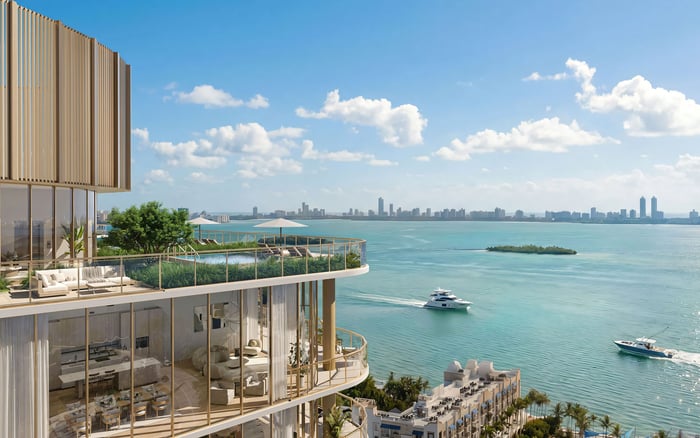
A disciplined due-diligence guide to testing everyday walkability, verifying club privileges, and understanding private dining access before buying near Miami's Design District.

For a luxury buyer near the Miami Design District, the apartment is only one part of the proposition. The more revealing question is how effortlessly the residence connects to the routines that matter: morning coffee, galleries, shopping, dinner, wellness appointments, entertaining, and a discreet return home.
Walkability, club privileges, and private dining may sound self-explanatory in a presentation. They are not. Each can depend on route quality, operating policies, reservation systems, fees, capacity, and rights that vary among owners, tenants, guests, and hotel patrons. The prudent approach is to treat access as a bundle of details deserving the same scrutiny as floor plans, finishes, and carrying costs.
A map can show proximity, but it cannot reveal whether a particular walk feels pleasant, direct, and practical for daily use. Walk from the building entrance to the places you expect to frequent. Repeat the test during the day and after dinner, noting crossings, shade, weather exposure, construction conditions, lighting, traffic, and the practicality of arriving in formal clothing.
Ask which entrance residents use, where ride-share vehicles wait, how visitors are received, and whether valet activity affects pedestrian movement. Confirm whether any promoted path crosses property controlled by another party. If a route is essential to the purchase decision, establish whether it is public, permanent, and accessible at the hours you need.
The word walkable should also be tested against your own lifestyle. A five-minute outing for one buyer may be unsuitable for another who is carrying purchases, accompanying children, or walking a dog in summer weather. Visit without a sales representative, and assess the return journey as carefully as the departure.
Club language deserves line-by-line clarification. Ask whether membership is included with ownership, purchased separately, subject to approval, or merely available on a preferred basis. Determine whether the privilege attaches to the unit or the named owner, and what happens upon leasing, resale, inheritance, or occupancy by family members.
Request written answers on initiation charges, recurring dues, assessments, gratuities, minimum spending, guest charges, and cancellation terms. Also ask whether access is transferable, whether waitlists may apply, and whether management can change hours, spaces, programming, or eligibility.
Capacity matters as much as nominal entry. A beautiful club that is difficult to reserve may offer limited practical value. Ask how many members share the amenities, which users receive priority, and whether residents compete with hotel guests, outside members, or event bookings. Review dress codes, age policies, photography rules, pet restrictions, and guest limits if any could affect normal use.
Private dining can describe very different experiences: a reservable residents’ room, catered service, a restaurant-operated salon, chef service in the residence, or priority booking at an affiliated venue. Ask precisely which model is offered and who operates it.
Clarify reservation windows, minimum party sizes, food and beverage minimums, room fees, service charges, cancellation policies, and the number of events permitted each year. Determine whether owners may bring an outside chef or wine, whether menus can be customized, and whether kosher, allergy-sensitive, or other dietary requirements can be accommodated.
For buyers who entertain frequently, operational details are central. Ask about service entrances, deliveries, floral setup, music, security clearance, parking, cleanup, and the permitted end time. Also establish whether bars or dining spaces can be closed for private events hosted by others. A glossy amenity image should never be treated as a guarantee of availability.
A Design District search benefits from a controlled comparison set. Buyers can examine Kempinski Residences Miami Design District alongside Miami Tropic Residences, then test whether each promised experience aligns with their preferred routes and social habits.
The comparison should extend beyond one neighborhood. Villa Miami offers an Edgewater reference point, while 888 Brickell by Dolce & Gabbana provides a Brickell comparison. The purpose is not to assume equivalence, but to determine which location and operating model best support the buyer’s actual week.
For new-construction purchases, distinguish current rights from planned services and marketing concepts. Request the governing language that controls if a rendering, presentation, or verbal statement differs from final operations.
Before making an offer, ask counsel to review the condominium documents, club agreement, management rules, budgets, fee schedules, and any reciprocal-access arrangements. Material promises should be documented in writing, with clarity about who can amend them and what remedy, if any, exists if access changes.
A strong offer is informed by use, not imagery. Buyers should rank each feature as essential, preferred, or incidental. If walkability is essential, test every route. If club access drives value, understand its legal and financial structure. If private dining supports the way you entertain, verify its actual availability and complete cost.
What is the first walkability question a Design District buyer should ask? Ask which destinations can be reached by practical, legally accessible routes from the resident entrance, then walk those routes personally.
Is a short map distance enough to establish walkability? No. Crossings, weather exposure, lighting, traffic, operating hours, and the return route can materially alter the experience.
Should club access be confirmed in writing? Yes. Confirm eligibility, duration, costs, transferability, priority, guest rights, and management’s ability to alter the privilege.
Does club membership necessarily transfer with a condo sale? Not necessarily. Determine whether membership follows the unit, the individual owner, or a separate application.
Which club costs deserve review? Review initiation charges, dues, assessments, minimum spending, gratuities, guest fees, cancellation terms, and any usage charges.
What should buyers ask about private dining reservations? Ask about booking windows, owner priority, capacity, fees, minimums, cancellation rules, operating hours, and competing event use.
Can private dining rules affect entertaining at home? Yes. Delivery procedures, outside vendors, service access, security, music, parking, and cleanup rules may shape an event.
How should buyers compare amenities across neighborhoods? Apply the same checklist to each property, scoring practical access, operating rules, recurring costs, and personal frequency of use.
What requires special attention in a pre-construction offer? Separate binding rights from planned features, and have counsel review the controlling documents and amendment provisions.
Who should review access agreements before an offer? A qualified real estate attorney should review governing documents, club terms, fee schedules, and reciprocal-access arrangements.
If you'd like a private walkthrough and a curated shortlist, connect with MILLION.
If branded residences are on your mind — as a home or as an allocation — we would be glad to share what we are seeing, privately.
Begin a quiet conversation