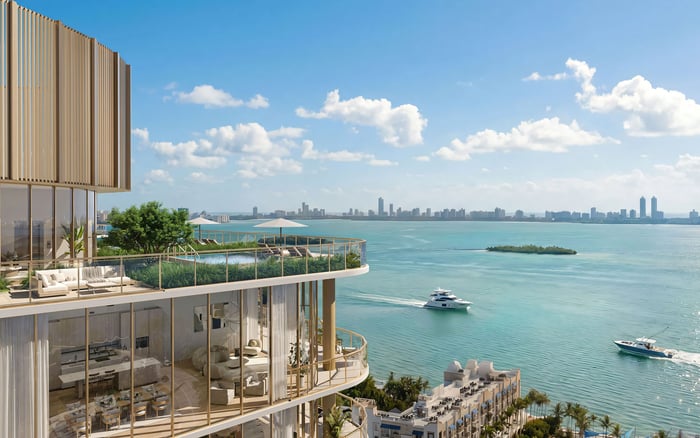
A disciplined framework for evaluating a developer, the delivery structure, contract protections, and the practical consequences of delay before offering on a luxury condominium.
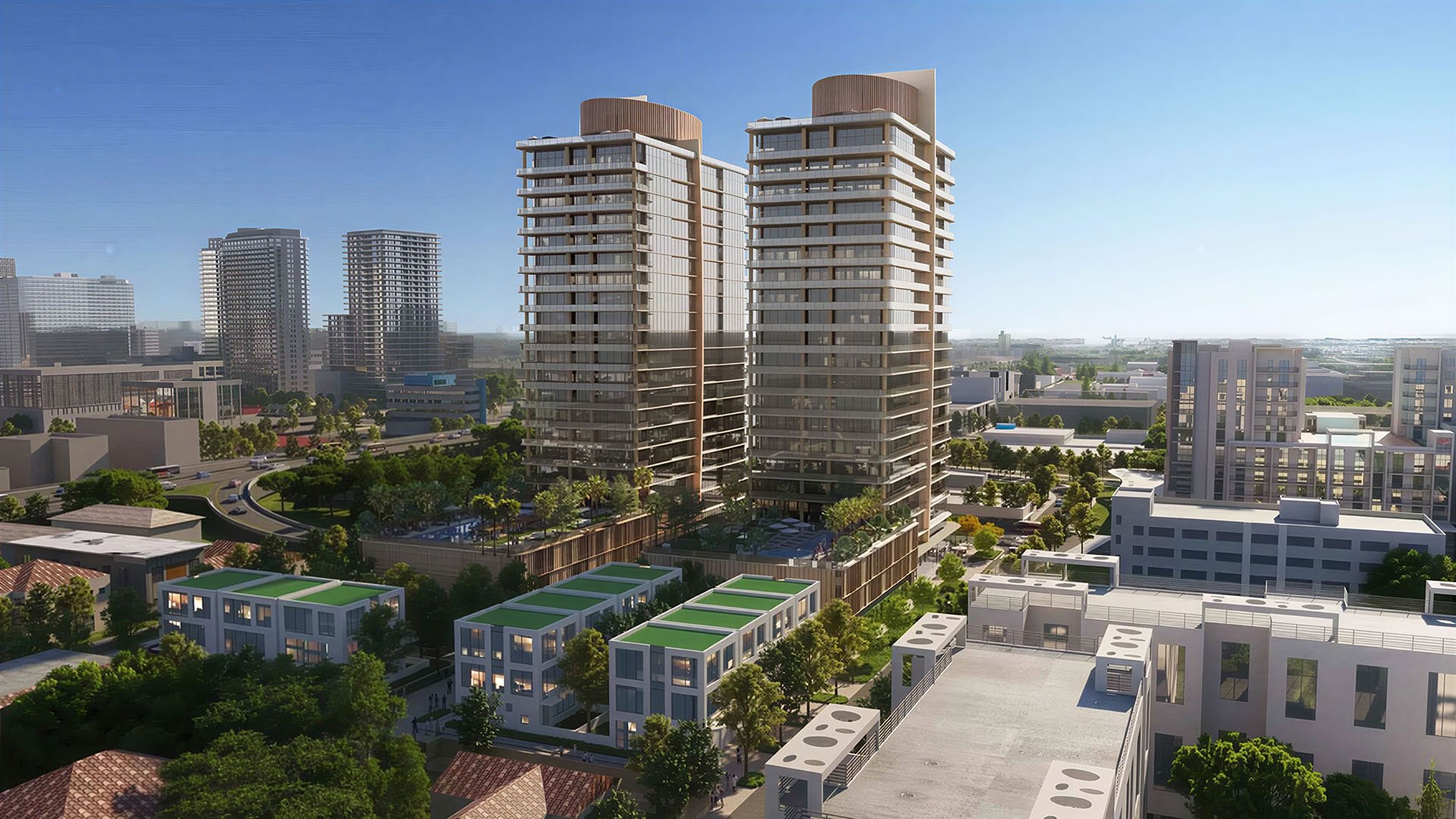
In the Miami Design District, an exceptional residence is more than its floor plan, finish palette, and view. For a buyer considering pre-construction, the developer's ability to execute is part of the value proposition. Delivery risk can affect personal timing, capital planning, financing, and the experience of owning the completed home.
Sophisticated buyers therefore look beyond presentation materials. They examine what the development team has completed, how previous buildings have aged, which parties bear responsibility, and what the purchase agreement actually promises. This is not pessimism. It is disciplined underwriting for an important acquisition.
Begin with completed projects, but resist reducing a track record to a tally. Ask which developments were comparable in scale, complexity, positioning, and intended service level. A team that has delivered one category of building may not have demonstrated the same capability in another.
Request a project history identifying the developer, general contractor, architect, key consultants, and any hospitality or lifestyle partner. Determine whether the individuals leading the current project held meaningful roles in the cited precedents. Corporate names can change, and a celebrated earlier building may have involved a different decision-making team.
Visit completed properties when access is available. Observe the arrival, common areas, landscaping, materials, and signs of intensive maintenance. Ask residents or building representatives focused questions about communication, closing, turnover, and post-closing corrections. The objective is not to demand perfection, but to understand how the team responds when execution becomes difficult.
Luxury developments often present a unified identity, yet the obligations behind that identity may rest with several entities. Ask your attorney to map the ownership and development structure, including the contract seller and the parties responsible for construction, design, management, and branding.
Clarify whether a prominent name represents the developer, a licensed brand, a designer, an operator, or another role. Brand prestige may shape expectations, but buyers should establish which party is contractually accountable for every material element of the residence and building.
This distinction deserves particular attention when reviewing a branded proposition such as Kempinski Residences Miami Design District. The right question is not simply who appears in the marketing, but who controls execution, who approves changes, and which commitments survive in the governing documents.
A projected completion date should be tested as one scenario among several. Ask which milestones have been reached, what remains outstanding, and which dependencies could affect the sequence. Distinguish construction completion from the point at which the specific residence can close, be occupied, and function as intended.
Have counsel review provisions governing extensions, force majeure, substitutions, cancellation rights, notices, and the return or retention of deposits. Contract language matters more than an informal assurance. Ask what happens if delivery moves by a quarter, a year, or longer, then model the consequences for housing plans, liquidity, financing, furnishings, and tax advice.
Apply the same discipline when comparing the Design District with nearby new-construction options. Reviewing Miami Tropic Residences alongside Villa Miami can help separate location preference from tolerance for timing and execution risk-without assuming that every project allocates those risks in the same way.
Before making an offer, request the deposit schedule and align each payment with a conservative liquidity plan. Ask whether deposits are refundable, when they may become nonrefundable, and under which contractual conditions they can be used or released. Counsel should interpret the operative documents for the specific transaction.
Financing merits equal scrutiny. A lender's future appraisal, building eligibility, insurance requirements, and closing conditions may not be known when the contract is signed. If leverage is central to the acquisition, maintain alternatives and avoid assuming today's financing terms will remain available at delivery.
For investment-oriented buyers, delay analysis should also exclude income that cannot be guaranteed. Carrying costs, leasing restrictions, management terms, and furnishing lead times belong in the downside case. The objective is a capital plan that remains comfortable even if the optimistic schedule does not hold.
Ask for a precise description of the residence, including dimensions, appliances, fixtures, surfaces, smart-home components, parking, storage, and any private outdoor area. Then identify where the documents permit substitutions, dimensional changes, or modifications to amenities and common areas.
A comparison with The Residences at 1428 Brickell should focus less on visual similarities than on documentary differences. Each offering may define standards, discretion, and remedies differently. Renderings frame the vision; the contract defines the enforceable bargain.
Ask how inspections, punch-list items, warranties, and post-closing service will be handled. Determine who receives notices, how issues are documented, and whether a clear escalation path exists. Recent developments may prompt useful questions, but they should never replace scrutiny of the agreement and project documents.
Price is only one negotiating variable. Depending on the transaction, a buyer may seek clarity on deposit timing, assignment, financing, inspection, closing notice, included items, or remedies. Qualified counsel should draft any requested protection, and every accepted term should be put in writing.
The strongest offer is not necessarily the one with the fewest questions. It is the one made after the buyer understands the people, documents, schedule, capital exposure, and exit options. In an ultra-premium purchase, certainty has value; uncertainty should be identified before it is priced.
What is the first question to ask about a condo developer? Ask which comparable projects the same decision-makers have completed and what roles they held.
Is a famous brand the same as a delivery guarantee? No. Establish the brand's contractual role and identify the party responsible for delivery.
Should buyers rely on a projected completion date? Treat it as a planning scenario, and have counsel review extension and cancellation provisions.
What should a buyer inspect in completed projects? Examine materials, common areas, maintenance demands, resident communication, and correction work.
Why does the seller entity matter? It identifies the contracting party and helps counsel assess where the obligations rest.
How should deposits be evaluated? Review timing, refundability, release conditions, and the effects of cancellation or delay.
Can financing create delivery risk for the buyer? Yes. Future lending, appraisal, insurance, and closing conditions may differ from expectations.
What should be confirmed about finishes? Confirm specifications, substitution rights, dimensions, included items, and available remedies in writing.
Should an offer address delay directly? Where negotiable, counsel can request language aligned with the buyer's timing and capital needs.
Who should review the purchase documents? Engage qualified legal, tax, financing, and inspection professionals appropriate to the transaction.
To compare the best-fit options with clarity, connect with MILLION.
If branded residences are on your mind — as a home or as an allocation — we would be glad to share what we are seeing, privately.
Begin a quiet conversation