A discreet buyer’s guide to evaluating South of Fifth lock-and-leave homes as durable, low-friction, long-term real estate purchases.
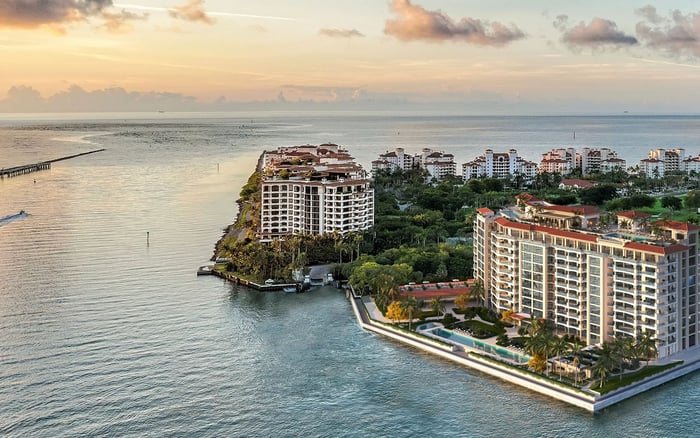
A lock-and-leave home in South of Fifth is not simply a pied-à-terre with a good view. For a serious long-term buyer, it is a residence that can sit quietly between visits, welcome its owner back without friction, and remain legible to the next sophisticated buyer when the time eventually comes to sell.
That distinction matters. Many homes can be closed up for a weekend. Far fewer can support an owner who travels often, divides time across cities, or wants a second home that feels protected, maintained, and emotionally easy. In South of Fifth, the best examples are less about spectacle than confidence: the building knows how to receive you, the residence is not overly fragile, and the ownership structure does not require constant supervision.
Among Miami Beach searches, South of Fifth and SoFi are often shorthand for a particular expectation: proximity without chaos, architecture without shouting, and service without performance. Buyers who understand that nuance evaluate a home differently. They are not only asking whether they love the terrace at sunset. They are asking whether the home will still make sense after years of arrivals, departures, maintenance cycles, family use, guest use, and evolving personal routines.
In a lock-and-leave purchase, service depth is not decoration. It is infrastructure. The most valuable amenity is often the one that prevents small issues from becoming larger ones while the owner is away. Buyers should look closely at how a building handles access, package flow, vendor coordination, guest arrivals, elevator experience, and communication with residents who may not be in town.
This is where the conversation becomes more precise than a standard amenity checklist. A beautiful pool, a refined lobby, and a strong fitness offering are all welcome, but they do not by themselves make a residence easy to own from a distance. The long-term test is whether the building operates with enough consistency that an owner can return without first becoming a project manager.
A buyer comparing Apogee South Beach with other South Beach residences, for example, is not only comparing scale or design presence. The deeper question is whether the building’s rhythm suits the owner’s life: how private the arrival feels, how predictable the staff interface is, and whether the residence can be used spontaneously without administrative drag.
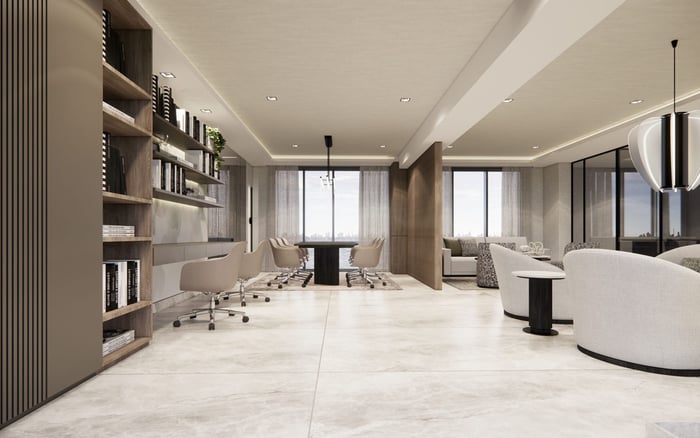
A serious long-term purchase should not depend on a fashion moment. The strongest lock-and-leave homes tend to have floor plans that remain intuitive across different life chapters. Generous primary suites, clear guest separation, sensible storage, and indoor-outdoor transitions matter because they make the residence usable, not merely impressive.
Buyers should be careful with layouts that look dramatic but create daily compromises. Too much wasted circulation, insufficient service space, awkward furniture walls, or rooms that rely on a single visual gesture can weaken long-term appeal. A home that will be vacant at times should also be easy to prepare before departure and easy to reopen on arrival. That means finishes that can tolerate real use, systems that are accessible, and a plan that does not require constant staging to feel complete.
Move-in ready condition can be particularly compelling when the buyer values immediacy, but it should still be evaluated with discipline. A freshly finished residence is only as strong as its underlying plan, building governance, and maintenance logic. Cosmetic ease is useful; structural ease is more valuable.
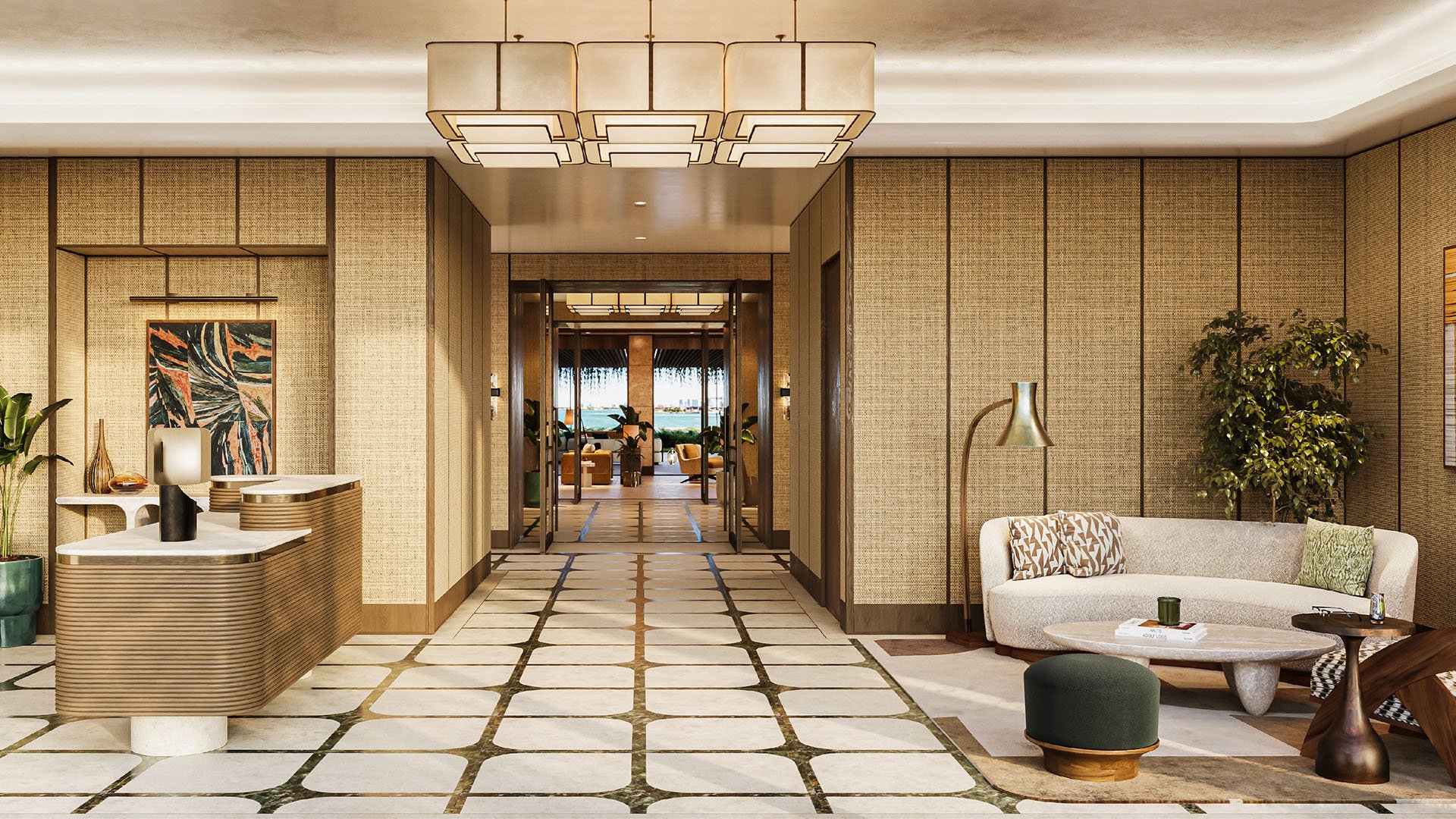
South of Fifth attracts buyers who often want privacy, but not inconvenience. The best lock-and-leave buildings create a soft threshold between the city and the residence. Arrival should feel controlled. Staff should be present but not theatrical. Common areas should allow discretion rather than constant social exposure.
For many owners, Continuum on South Beach represents the type of established South Beach address that invites a broader question: does the property feel resort-like in a way that remains comfortable for private ownership over time? A long-term buyer should test that feeling at different moments of the day, not only during a polished showing.
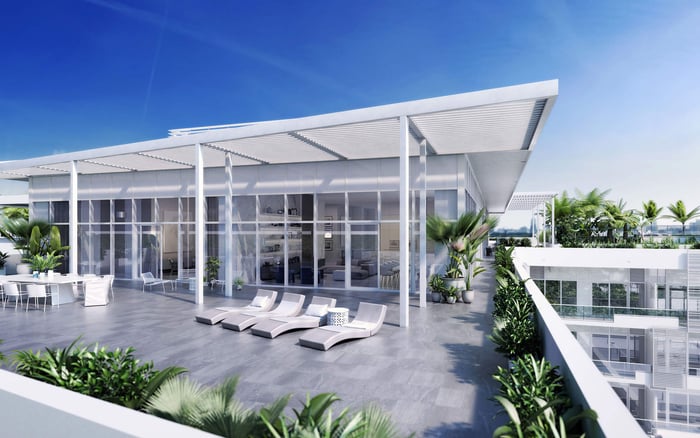
Privacy also extends to how a unit is positioned within the building. Elevator proximity, corridor length, neighboring sightlines, balcony exposure, and the feel of the arrival sequence all matter. In a true lock-and-leave home, the owner wants to feel both connected and protected. That balance is difficult to retrofit after closing.
For long-term ownership, the condominium association is not background noise. It is part of the asset. Buyers should review building rules, renovation protocols, reserve posture, insurance considerations, rental policies, pet policies, and procedures for service providers. The goal is not to find a building with no rules. The goal is to find one where the rules support the quality of ownership the buyer expects.
This is especially important for an investment-minded buyer who may also intend to use the home personally. A residence can be emotionally desirable and still be a poor fit if the building’s policies conflict with the owner’s intended use. Conversely, a building with clear, disciplined governance can enhance long-term confidence because everyone understands the tone of the property.
The most sophisticated buyers treat governance as a design feature. They ask how decisions are made, how capital needs are addressed, how the building communicates, and whether the community culture feels aligned with the property’s price point. These questions are not glamorous, but they often determine whether a lock-and-leave home remains effortless.
A lock-and-leave home works best when returning to it feels instinctive. In South of Fifth, buyers often value the ability to arrive, settle in quickly, and enjoy the neighborhood without turning every stay into an itinerary. The strongest purchase is not always the most dramatic. It is the one that matches how the owner actually lives when in Miami Beach.
Some buyers want immediate energy. Others want a calmer residential feeling with selective access to restaurants, beach routines, marina culture, or private club life. The right answer depends on personal cadence. What matters is that the location supports repeated use, not merely occasional admiration.
A residence such as The Ritz-Carlton Residences® South Beach may enter the conversation for buyers who want a recognized service language in the broader South Beach context. A buyer considering Five Park Miami Beach may be thinking about a different edge of the Miami Beach lifestyle. In each case, the lock-and-leave question remains the same: will the address make ownership easier over many years?
Even buyers with no immediate plan to sell should think about future marketability. A serious long-term purchase should have a clear resale story. That story may be about building reputation, floor plan scarcity, view quality, service culture, terrace usability, condition, or a combination of factors. It should not rely solely on the owner’s personal taste.
The best lock-and-leave homes have broad enough appeal to attract the next buyer without becoming generic. They feel specific, but not eccentric. They offer beauty, but also usability. They show well, and they also inspect well. This is where restraint often outperforms over-design.
Owners who renovate should consider how their choices will age. Durable materials, quiet luxury, and coherent design language generally travel better than highly personalized statements. In South of Fifth, where buyers often arrive with global reference points, the home should feel polished without needing to explain itself.
The ultimate test is emotional. After closing, does the owner feel lighter or more encumbered? A true lock-and-leave home should reduce complexity. It should allow the owner to arrive late, leave early, host selectively, and trust that the building is working in the background.
That calm is the product of many decisions made before purchase: the right building, the right line, the right condition, the right association, the right service culture, and the right expectation of use. When those pieces align, South of Fifth can function not only as a glamorous address, but as a disciplined long-term hold.
For the ultra-premium buyer, the most persuasive home is often the one that does not demand constant attention. It is elegant when occupied, secure when empty, and coherent when viewed as an asset. That is what makes a lock-and-leave home in South of Fifth work as a serious long-term purchase.
What is a lock-and-leave home in South of Fifth? It is a residence designed for owners who may be away often but still expect security, service, and ease when they return.
Is a lock-and-leave condo only for seasonal use? No. It can serve as a primary residence, second home, or long-term hold if the building and layout support flexible ownership.
What should buyers examine first? Start with building operations, access control, staff consistency, maintenance procedures, and the practical flow of the residence.
Does a larger amenity package always make ownership easier? Not necessarily. Service quality, governance, privacy, and reliability often matter more than the number of amenities.
Why is floor plan durability important? A clear, livable plan tends to remain useful across changing routines and is easier for future buyers to understand.
Should buyers prioritize move-in ready condition? Move-in ready can be valuable, but it should not outweigh building quality, governance, layout, and long-term maintenance logic.
How should an investment buyer think about South of Fifth? The focus should be on liquidity, building reputation, use restrictions, carrying costs, and the residence’s appeal beyond personal taste.
Do rental policies matter for lock-and-leave ownership? Yes. Even if you do not plan to rent, policies can shape building culture, flexibility, and future resale conversations.
Is privacy more important than views? Both matter, but privacy affects daily comfort and long-term enjoyment in ways that a dramatic view cannot always solve.
What makes a South of Fifth purchase feel successful over time? The best purchase feels easy after closing: secure when empty, gracious when occupied, and sensible as an asset.
For a tailored shortlist and next-step guidance, connect with MILLION.
If branded residences are on your mind — as a home or as an allocation — we would be glad to share what we are seeing, privately.
Begin a quiet conversation