A disciplined pre-offer review should establish what transfers with a waterfront condominium, how the building prepares for severe weather, and whether reserves, insurance, inspections, and engineering records support the ownership proposition.
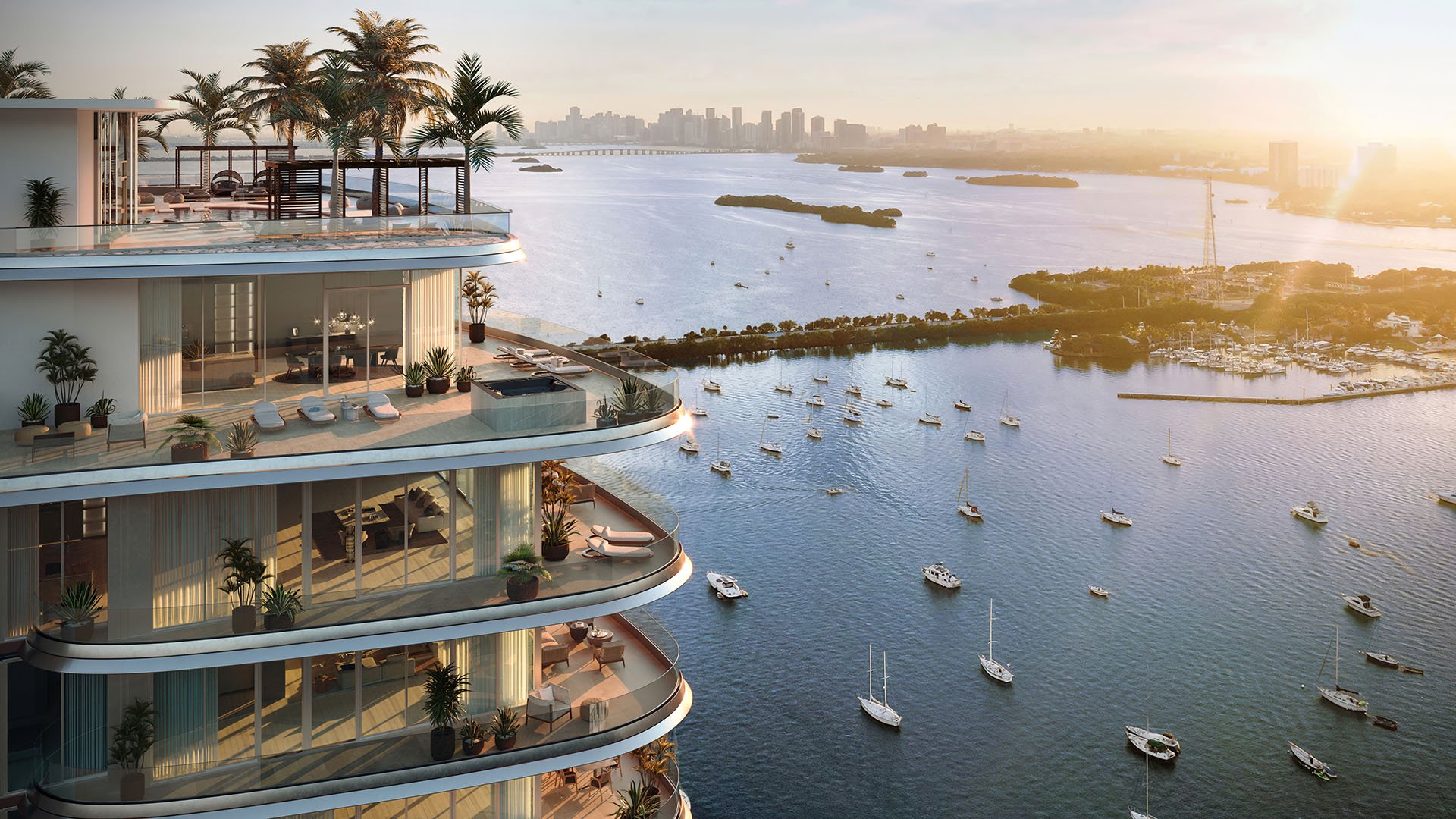
A Hallandale Beach residence may offer an exceptional relationship with the water, but the view is only the visible part of the acquisition. Before making an offer, a buyer should establish precisely what is being purchased, what is shared, and what remains under association control.
Florida condominium ownership generally combines title to the individual residence with an undivided interest in the common elements. That framework makes the declaration, amendments, bylaws, rules, and recent board minutes essential reading. Listing language and current use are no substitutes for recorded rights.
Determine whether a dock, boat slip, parking space, storage room, cabana, or terrace is deeded, designated as a limited common element, assigned by the association, or offered as a revocable privilege. A boat-slip right, in particular, should be confirmed in writing, along with transfer restrictions and applicable rules.
This discipline applies whether the search centers on 2000 Ocean Hallandale Beach, Shell Bay by Auberge Hallandale, or another waterfront property in the Hallandale market. The legal character of each accessory and amenity matters more than its presentation in marketing materials.
Hallandale Beach condominium associations must register with the city annually, update information concerning officers and directors, and provide required association records. The ordinance establishes a $150 annual registration fee. Buyers should confirm that the registration is current and obtain direct contact information for the property manager or designated representative.
Responsiveness is itself revealing. A well-organized document process can help a buyer assess budgets, reserve records, planned capital work, deferred maintenance, pending litigation, violations, unpaid assessments, and insurance concerns. These matters may affect financing eligibility as well as future ownership costs.
For a resale acquisition, request enough recent board minutes to identify recurring leaks, concrete work, elevator issues, façade projects, drainage concerns, or owner disputes. Read the minutes alongside financial statements and formal engineering materials, not in isolation.
Impact-rated glass and approved shutters are important, but they do not establish that the entire property is prepared for a storm. Request written rules governing the installation, inspection, maintenance, and removal of hurricane protection. Confirm which party is responsible for windows, doors, balcony enclosures, and any protective system serving the residence.
Then look beyond the unit. Ask how management communicates before and after a storm, when owners may re-enter, who coordinates debris removal, and how elevator restoration is prioritized. Emergency power, after-hours staffing, vendor access, and procedures for prolonged outages all warrant direct questions.
An oceanfront building also demands scrutiny of salt exposure, drainage, erosion, the building envelope, and any seawall or waterfront structure. Request recent engineering findings and determine whether recommended work has been completed, contracted, funded, or deferred. Buyers comparing the broader Broward coastline, including Auberge Beach Residences & Spa Fort Lauderdale, should apply the same document-first standard to every waterfront candidate.
Qualifying Florida condominium buildings of three habitable stories or more are subject to milestone structural inspections. The first inspection is generally due at 30 years, although a 25-year threshold may apply when local environmental conditions, including coastal exposure, warrant it. If Phase 1 identifies substantial structural deterioration, a more detailed Phase 2 inspection is required.
Do not stop at receipt of the report. Obtain evidence of completed repairs, related permits, contracts, payment status, and any follow-up engineering confirmation. An inspection identifies conditions; by itself, it does not prove that remediation is complete.
Qualifying associations must also complete a Structural Integrity Reserve Study. Compare its component estimates with actual reserve balances, current contributions, adopted budgets, planned projects, and special assessments. A polished lobby cannot offset a funding gap in major building systems.
The central question is not simply whether the association holds reserves. It is whether reserve funding, engineering priorities, insurance deductibles, and scheduled work form a coherent plan.
Request the association’s master insurance declarations, deductibles, and flood coverage. Do not assume the master policy protects personal property, interior finishes, improvements, or every item within the residence.
Discuss an HO-6 policy with an insurance professional, including interior and personal-property coverage. Loss-assessment protection may also be relevant when an association allocates certain costs among owners. Determine how hurricane and flood deductibles could translate into an owner obligation under the condominium documents.
Request any available elevation certificate and independently verify flood exposure. Insurance availability, coverage terms, deductibles, and lender requirements should be evaluated before the offer becomes firm, not treated as closing-stage formalities.
A sophisticated offer should provide for satisfactory review of title, condominium documents, engineering reports, milestone inspections, permits, reserve records, insurance, and the residence’s physical condition. Florida counsel, the buyer’s lender, the association, relevant engineers, and insurance professionals should confirm current requirements and deadlines.
If rental flexibility is part of the thesis, examine both association restrictions and local rules. Hallandale Beach treats rentals of fewer than 30 consecutive days as vacation rentals requiring local licensing, including a Vacation Rental License and Business Tax Receipt. Permission at one level does not establish permission at the other.
The best luxury due diligence is neither alarmist nor cosmetic. It converts attractive assumptions into documented rights, funded obligations, and workable procedures before the buyer commits capital.
Does a listing description prove that a boat slip transfers with the unit? No. Confirm through title and condominium records whether the slip is deeded, assigned, designated as a limited common element, or revocable.
Which condominium documents should a buyer review before offering? Review the declaration, amendments, bylaws, rules, recent board minutes, budgets, reserves, assessments, and relevant engineering records.
Should the association’s city registration be checked? Yes. Confirm that the annual registration is current and obtain direct contact information for the manager or designated representative.
Are impact windows enough to establish storm readiness? No. Building-wide preparedness also encompasses structural work, drainage, emergency procedures, access planning, power, and insurance.
What should buyers request after a milestone inspection? Request the report, evidence of repairs, permits, contracts, payment status, and available follow-up confirmation from qualified professionals.
Why compare the reserve study with actual funding? The comparison reveals whether projected component costs are supported by reserves, contributions, budgets, and assessment plans.
Does the master policy cover everything inside a condominium? Not necessarily. Review policy boundaries and consider HO-6, personal-property, interior, and loss-assessment protection.
What waterfront engineering topics deserve attention? Examine seawalls, drainage, erosion, salt exposure, the building envelope, recommended repairs, permits, and funding.
Can an owner automatically rent for fewer than 30 days? No. Both association restrictions and Hallandale Beach vacation-rental licensing requirements must be satisfied.
What is the safest way to structure pre-offer diligence? Use contingencies for satisfactory legal, financial, insurance, engineering, title, and inspection review with qualified advisers.
To compare the best-fit options with clarity, connect with MILLION.
If branded residences are on your mind — as a home or as an allocation — we would be glad to share what we are seeing, privately.
Begin a quiet conversation