For cash buyers, a Surfside preconstruction purchase is not simply a closing-day transfer. Deposit calls can arrive at contract, on a fixed date, and as construction reaches defined milestones, making liquidity planning and contract review essential.
A cash acquisition may eliminate lender timing and appraisal contingencies, but it does not simplify the preconstruction deposit calendar. In Surfside, buyers are commonly required to fund a series of cash installments well before a residence is delivered. Because those payments generally cannot be financed, readiness is measured by more than the ability to cover the balance at closing. The buyer must retain sufficient liquidity for every call along the way.
Across Miami preconstruction, total deposits commonly range from 20% to 50% of the purchase price and are paid in installments. In South Florida, another useful range is 30% to 50%. Neither is a universal formula. The developer, building, sales phase, and executed documents determine the actual obligation.
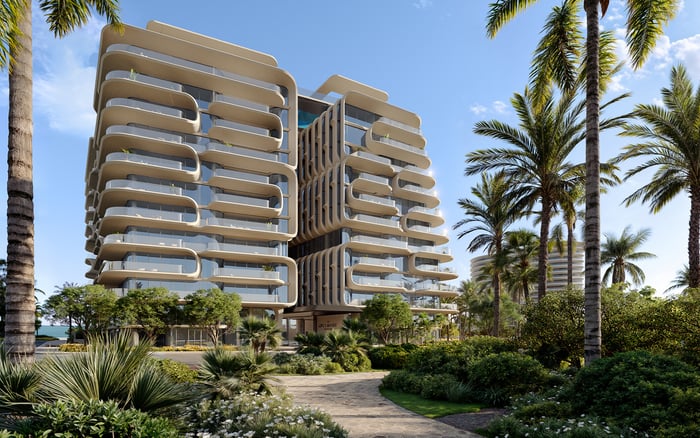
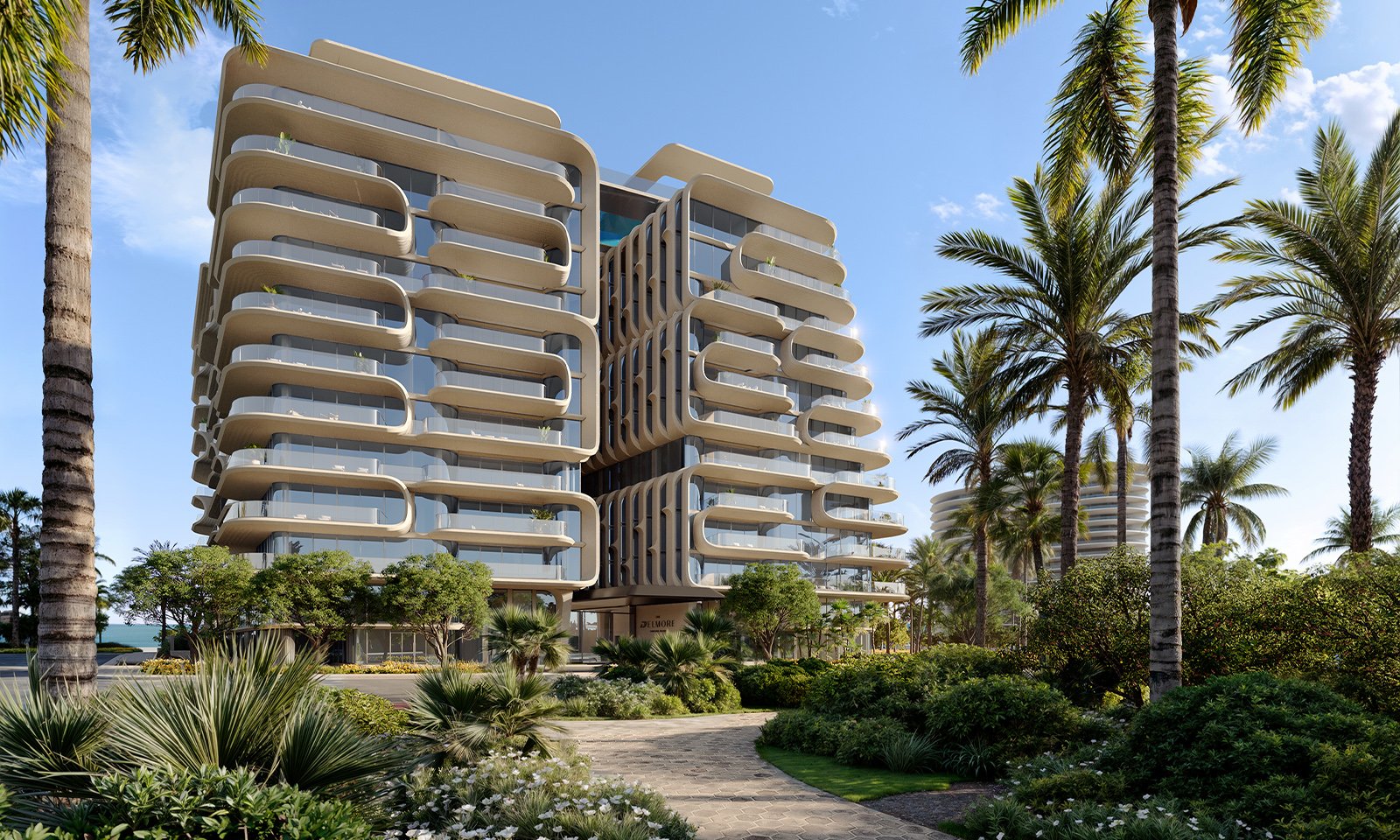
For a buyer considering The Delmore Surfside, the published schedule shows why broad market conventions are insufficient. It requires 20% at contract, 10% 120 days later, 10% when the unit slab is poured, and 10% at topping off. The remaining 50% is due at closing.
Many Surfside transactions follow a simpler progression: a reservation fee, a payment bringing the deposit to 10% at contract, then another 10% at groundbreaking. This creates the familiar concept of 20% funded by groundbreaking. Yet a project-specific schedule can require materially more before closing, as the 50% example demonstrates.
The prudent approach is to turn the written schedule into a private liquidity map. Identify each percentage, its dollar equivalent, the triggering event, the notice mechanism, and the payment deadline. An installment due on a fixed date 120 days after contract differs from one tied to construction. The former can be placed on a calendar; the latter demands progress monitoring and readily accessible funds.
A broader Surfside search may place a preconstruction opportunity alongside Arte Surfside, Fendi Château Residences Surfside, or Ocean House Surfside. The comparison should extend beyond design and price. Deposit exposure, timing, contractual flexibility, and the amount deferred until closing all shape the economics of the purchase.
A reservation payment may feel like the beginning of the purchase, but it can fall under a different legal framework from the binding purchase contract. Some reservation agreements require roughly 10% to 20% to secure a selected residence before the purchase contract is executed. A reservation deposit may be refundable while the reservation remains active, but that does not establish the refund rights that apply after contract execution.
Cash buyers should therefore request the complete written deposit schedule before treating the initial payment as representative. A relatively modest reservation may be followed by a substantially larger contract installment and later construction calls. The essential questions are when the reservation converts, which documents govern each payment, and what happens if the buyer declines to execute the purchase contract.
This distinction belongs at the center of preconstruction planning, particularly when a residence is evaluated as an investment rather than solely as a future home.
Florida condominium rules distinguish the first 10% of the purchase price from amounts paid above that threshold. Payments up to 10% must be held in escrow, while amounts above 10% are subject to additional rules and permitted-use restrictions. Buyers should not interpret that framework to mean every dollar remains untouched until closing.
Florida condominium counsel should review the current escrow provisions in the actual contract, including permitted uses, release conditions, refund rights, default remedies, assignment restrictions, and the precise definition of each milestone. Marketing summaries and reservation schedules may change. Underwriting should rely on the latest documents the buyer will execute, not an earlier brochure or listing page.
A disciplined cash buyer can model three layers of exposure. The first is the contractual amount due at signing. The second is the aggregate capital required before closing. The third is the timing uncertainty attached to construction events such as groundbreaking, the unit slab pour, or topping off.
The analysis should also account for overlapping commitments. A buyer may be funding another acquisition, renovation, tax payment, or portfolio capital call during the same period. Even when total net worth comfortably exceeds the purchase price, an unexpected milestone notice can create avoidable friction if assets must be sold or transferred on short notice.
For new-construction underwriting, maintain a dedicated liquidity reserve for the full pre-closing commitment rather than assuming future portfolio income will align with deposit dates. This is the practical distinction between being able to buy and being prepared to perform under the contract.
The most valuable review is not a generic explanation of Florida practice, but a clause-by-clause reading of the specific agreement. Counsel should confirm whether milestone terms are objectively defined, how notice is delivered, how many days the buyer has to fund, whether extensions are available, and which remedies follow a missed payment.
Assignment provisions deserve equal attention. A cash buyer seeking optionality should not assume the contract can be transferred. Likewise, refund rights should be tied to explicit contractual events rather than expectations formed during the reservation stage.
For MILLION Buyer's Guides, the central principle is straightforward: Surfside has no neighborhood-wide deposit formula. The complete schedule, escrow language, and milestone definitions together reveal the true capital commitment.
Do cash buyers avoid preconstruction deposits? No. Cash buyers must still fund the required reservation, contract, and construction installments.
What total deposit should a Surfside buyer expect? Common Miami structures range from 20% to 50%, but the executed project contract controls.
Is 20% by groundbreaking standard in Surfside? It is a common framework, not a neighborhood-wide rule. Project schedules can require more.
Can a preconstruction deposit be financed? Deposits are generally cash payments and usually cannot be financed.
Is a reservation deposit always refundable? It may be refundable while the reservation remains active, subject to its written terms.
What can trigger an installment? Triggers may include contract signing, a fixed date, groundbreaking, slab pour, or topping off.
How much does The Delmore require before closing? Its published schedule totals 50% before closing, with the remaining 50% due at closing.
Does every deposit dollar remain in escrow until closing? Buyers should not assume so. Rules differ for the first 10% and amounts above it.
Which contract terms deserve legal review? Review escrow, refund rights, defaults, assignments, notices, deadlines, and milestone definitions.
What is the best liquidity safeguard? Reserve the full pre-closing commitment and keep it accessible throughout construction.
For a confidential assessment and a building-by-building shortlist, connect with MILLION.
If branded residences are on your mind — as a home or as an allocation — we would be glad to share what we are seeing, privately.
Begin a quiet conversation