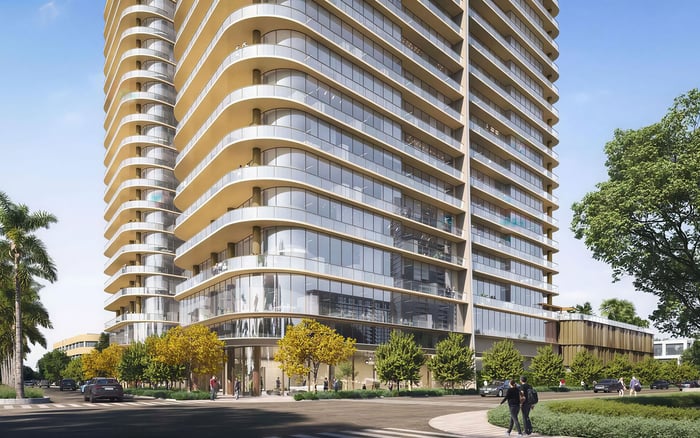
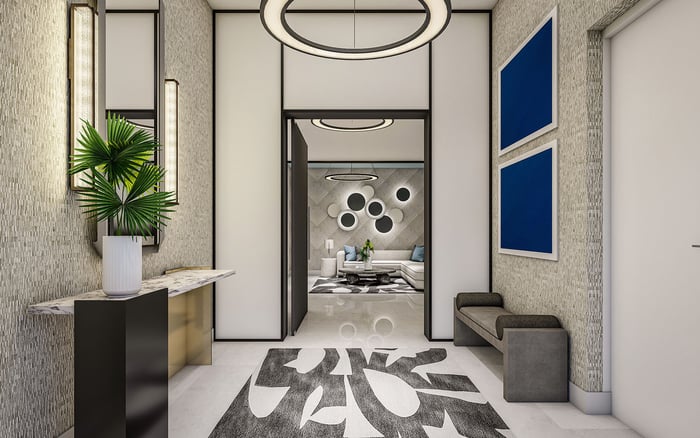
A discreet buyer’s guide to evaluating wellness amenities, service quality, and medical proximity when purchasing in and around Midtown Miami with cash.
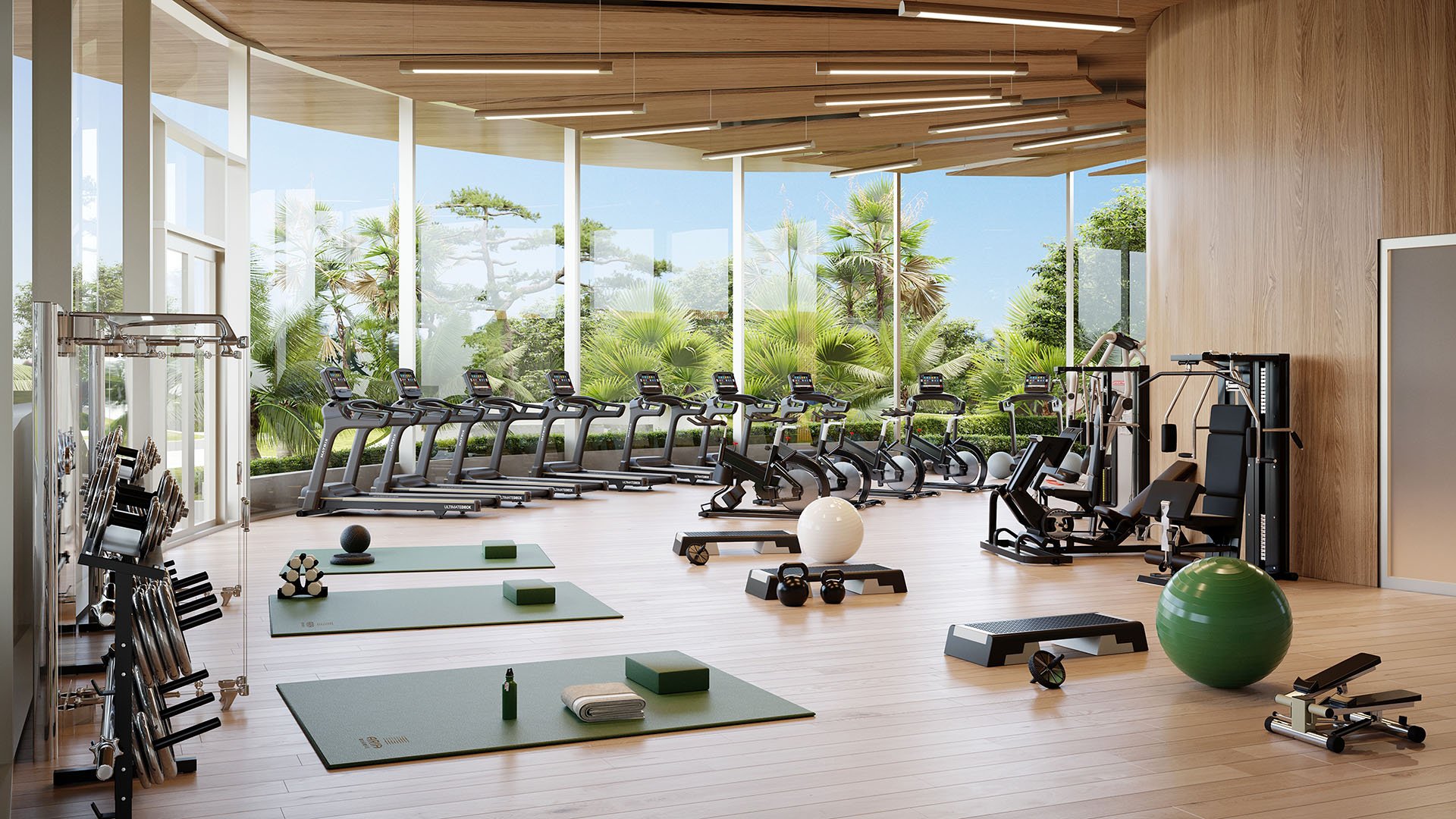
Cash buyers in Midtown Miami arrive with leverage. They can move quickly, simplify a seller’s decision, and avoid the uncertainty that often surrounds financed offers. Yet the absence of a lender does not remove the need for careful review of a property’s practical fitness, especially when the purchase is shaped by lifestyle, health, or easier access to medical care.
Miami’s wellness conversation has matured. A beautiful pool deck, dramatic fitness room, or spa-inspired lobby can shape first impressions, but those features do not automatically translate into better daily life. For a cash buyer, the sharper question is not whether a building has amenities. It is whether those amenities are designed, managed, and located in a way that supports how the owner actually lives.
Midtown Miami is especially attractive to buyers who want an urban rhythm without being confined to one narrow definition of luxury. The surrounding comparison set often reaches into Wynwood, Edgewater, the Design District, and Brickell, which means wellness and medical proximity should be studied as part of a broader ownership strategy, not reduced to a single-building checklist.
The most persuasive wellness amenities are not necessarily the most numerous. They are the ones that reduce friction. A fitness room that is easy to access, well maintained, and comfortable at the hours an owner actually trains may be more valuable than a larger space that feels crowded or poorly managed. A pool that receives the right kind of light for the owner’s schedule may matter more than a pool photographed at its most flattering angle.
Cash buyers should ask how wellness spaces function on ordinary days. Is there enough separation between social areas and restorative areas? Does the building create privacy for residents who use wellness amenities as part of a daily routine rather than as occasional decoration? Are lockers, treatment rooms, movement spaces, and outdoor areas intuitive to use? These are quiet questions, but they can define long-term satisfaction.
In this context, nearby alternatives can be useful reference points. A buyer looking at Midtown Miami may also compare the urban feel of Frida Kahlo Wynwood Residences or the waterfront orientation associated with EDITION Edgewater, not because one concept replaces another, but because each helps clarify what kind of wellness experience the buyer values most.
Medical proximity is often discussed too casually. Being near care is useful, but the right kind of access depends on the household. A buyer may care most about specialists, urgent care, routine appointments, post-procedure recovery, privacy during arrivals, or the ability for a family member to reach support quickly. The nearest option is not always the most relevant option.
For cash buyers, due diligence should be personal and specific. Map the routes that matter at the times they are likely to be used. Consider whether a building’s valet, parking, elevator configuration, and drop-off experience support privacy and efficiency. If the owner expects visiting nurses, wellness practitioners, trainers, or therapists, the residence should be assessed for discretion, access control, and comfort during scheduled visits.
A residence may feel visually serene while still being inconvenient for medical or wellness logistics. Conversely, a more urban building may offer a practical daily advantage if it shortens the owner’s most frequent routes and reduces the number of transitions between home, car, elevator, lobby, and appointment.
A cash buyer can tour a building quickly, but the best buyers slow down when reading the amenity package. The first layer is physical: ceiling heights, daylight, ventilation, acoustic comfort, elevator access, flooring, and the relationship between indoor and outdoor space. The second layer is operational: staffing, reservation systems, guest policies, cleaning standards, maintenance reserves, and hours of use. The third layer is cultural: whether residents use the amenities as intended or whether the spaces feel ornamental.
Wellness amenities should also be tested against the residence itself. If the home has generous terraces, a quiet primary suite, and space for in-residence fitness or recovery, the building’s common amenities may play a supporting role. If the residence is more compact, the common wellness offering becomes more central to the ownership experience.
This is why a cash buyer considering Midtown Miami may also study projects in established luxury corridors. The Cove Residences Edgewater may enter the conversation for buyers comparing Edgewater living, while House of Wellness Brickell naturally appeals to those who want the language of wellness placed at the center of the residential search. The point is not to chase a label, but to identify which setting best supports daily life.
A cash position can compress timelines, which is useful in a competitive environment. It can also create the temptation to under-review details that will matter after closing. For wellness-driven buyers, that is a mistake. The inspection mindset should extend beyond appliances and finishes into the performance of the building as a living system.
Review association documents, operating budgets, amenity rules, renovation policies, insurance context, and service expectations with the same seriousness that a lender might apply to financial risk. Cash buyers are not borrowing, but they are still inheriting the building’s rules, culture, and long-term obligations.
For pre-construction or recently delivered residences, the key is to distinguish between renderings and lived experience. Ask what is committed, what is proposed, and what is subject to change. For resale, visit at different times when possible. A spa deck at midday, a gym before dinner, and a lobby during peak arrival hours can tell very different stories.
Midtown Miami often attracts buyers who want energy, design, dining, galleries, and convenient movement through the city. But the luxury buyer rarely evaluates Midtown in isolation. Wynwood may appeal to those who want a more creative edge. Edgewater may appeal to buyers who want water views and a residential tower environment. The Design District may influence buyers who value fashion, art, and collectible design. Brickell may remain relevant for buyers who want a more business-oriented urban routine.
A useful framework is to define the daily pattern first, then evaluate buildings against it. If mornings begin with training, recovery, and meetings, wellness access may outrank a larger entertainment space. If medical appointments are frequent, route quality and arrival discretion may matter more than a dramatic amenity count. If the residence is a second home, lock-and-leave services and predictable building operations may be the true luxury.
The best cash buyers do not buy the most amenities. They buy the clearest alignment between residence, building, neighborhood, and personal routine.
Should a cash buyer prioritize wellness amenities over floor plan? No. The strongest purchase combines daily-use wellness features with a floor plan that supports privacy, comfort, and long-term flexibility.
Is medical proximity only about being close to a hospital? No. Buyers should consider the kind of care they use, the routes they take, and how discreetly and efficiently they can arrive and depart.
What wellness amenities matter most in Midtown Miami? The most important amenities are the ones the owner will use consistently, such as fitness, recovery, outdoor space, quiet lounges, and practical service areas.
Should cash buyers still review association documents? Yes. Paying cash removes financing risk, but it does not remove building rules, operating costs, reserves, or long-term ownership obligations.
How should buyers compare Midtown Miami with Edgewater? Focus on daily rhythm. Edgewater may be part of the comparison when a buyer wants a more residential tower setting or a different relationship to views and movement.
Why does Wynwood matter in this search? Wynwood can shape the comparison for buyers who value a creative urban environment and want to understand how lifestyle energy differs by location.
Does the Design District influence Midtown Miami buying decisions? Yes. For some buyers, proximity to design, fashion, dining, and culture can be part of the broader lifestyle calculus.
Is Brickell a fair comparison for wellness-focused buyers? It can be. Brickell may appeal to buyers who want urban convenience, services, and a more business-centered daily pattern.
What should buyers ask during an amenity tour? Ask how spaces are staffed, maintained, reserved, cleaned, and used during peak hours, not only how they appear during a private showing.
Can a cash offer move too quickly? Yes. Speed is useful, but buyers should preserve enough time to understand the building’s wellness value, service model, and medical-access fit.
For a tailored shortlist and next-step guidance, connect with MILLION.
If branded residences are on your mind — as a home or as an allocation — we would be glad to share what we are seeing, privately.
Begin a quiet conversation