For Aventura collectors, a residence’s suitability extends beyond wall space. Storage classification, environmental control, lighting, service access, association rules, and privacy can shape daily enjoyment and the true cost of ownership.
For an art collector considering an Aventura residence, suitability involves more than available wall space. The review should address where works can be stored, how they can move from the building entrance to the residence, what environmental conditions can be maintained, and how building procedures affect discretion.
These considerations can influence renovation scope, recurring expenses, insurance discussions, staff routines, privacy, and eventual resale positioning. The central principle is straightforward: evaluate storage, lighting, mechanical systems, and access by documented function rather than by marketing labels.
Generic storage, bike storage, an oversized private room, and explicitly climate-controlled storage should not be treated as interchangeable. Buyers should confirm actual conditions, access rights, electrical service, permissible use, and the legal arrangement governing the space.
Location also matters. Same-floor storage may shorten movement through shared areas, while storage elsewhere in a building may require more coordination. Neither arrangement establishes environmental suitability without further review.
“Climate-controlled” should be treated as a starting point rather than a complete conservation specification. Temperature and humidity parameters, monitoring, ventilation, alarm coverage, and backup support require direct confirmation with the association, property manager, insurer, and appropriate specialists.
Shared mechanical systems warrant particular attention. A buyer should establish what the building controls, what an owner may modify, who maintains each component, and which procedures apply during an interruption. Supplemental equipment may also involve approvals, installation work, maintenance, and energy use.
This diligence can be applied when considering Avenia Aventura. The objective is not to assume a project’s capabilities, but to compare written specifications and operating rules against the collection’s requirements.
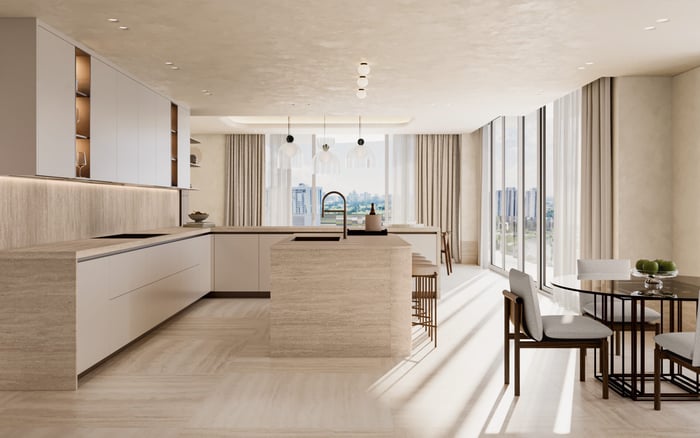
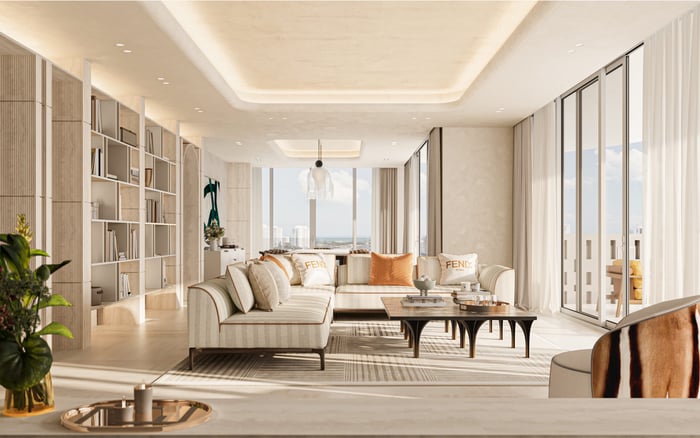
Gallery-style illumination can affect circuitry, controls, ceiling work, fixture selection, heat management, maintenance, and approval requirements. Before acquisition, collectors should map potential display walls and determine whether the existing electrical and ceiling conditions can support the intended plan.
Natural light should also be assessed in relation to each work’s sensitivity and the room’s actual conditions. Buyers extending their search to Bentley Residences Sunny Isles can use the same lighting and conservation brief on every tour, allowing for a consistent comparison without presuming performance.
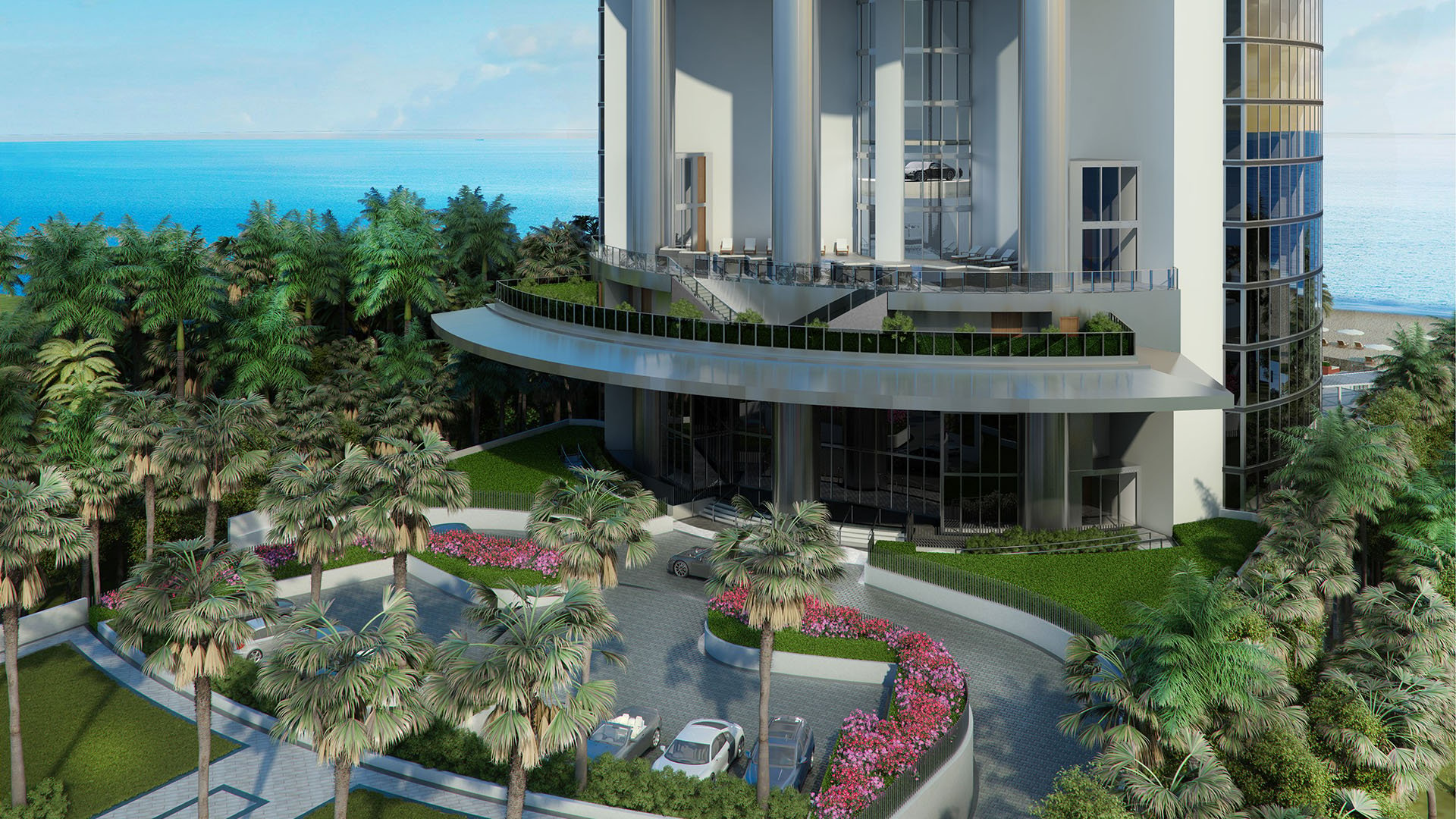
For a collector, privacy is operational. The review may encompass loading procedures, elevator reservations, service-corridor exposure, camera coverage, staff access, vendor registration, delivery windows, and the route between parking, storage, and the residence.
Same-floor storage or parking near an elevator may simplify movement, but neither feature establishes permission to transport large or valuable works at any time. Buyers should review building rules, elevator dimensions, installer requirements, insurance documentation, protective-covering procedures, and supervision requirements before closing.
Collection-related carrying costs may extend beyond association dues. A prudent model can account for specialist inspections, environmental monitoring, lighting design, approved electrical work, storage improvements, maintenance, insurance review, professional installation, and off-site storage if needed.
Resale planning also belongs in the model. Buyers should consider how specialized improvements, building restrictions, and the time required to identify a suitable future purchaser could affect ownership decisions. No resale premium should be assumed without current market evidence and documented features.
A buyer widening the search to One Park Tower by Turnberry North Miami can retain the same analytical framework while keeping the primary search focused on Aventura. Storage, lighting, mechanical control, access, privacy, and rules should be verified for each residence independently.
The best-fit Aventura residence is not necessarily the one with the largest stated storage area or the most dramatic glazing. It is the home whose documented systems, circulation plan, rules, and ownership costs align with the collector’s daily life and conservation priorities.
Does climate-controlled storage automatically make a room suitable for art? No. Buyers should verify environmental parameters, monitoring, ventilation, backup support, and insurer requirements with qualified parties.
Is same-floor storage preferable for collectors? It may improve convenience and privacy by reducing movement through common areas, but its environmental suitability still requires confirmation.
Can bike storage be used for artwork? The label alone establishes neither appropriate conditions nor permitted use. Its specifications and governing rules should be verified.
Why do elevator rules matter? Reservations, dimensions, delivery windows, and protective requirements can affect how discreetly and efficiently works reach the residence.
Can lighting upgrades increase carrying costs? Yes. Design, fixtures, controls, electrical work, approvals, maintenance, and energy use may add to acquisition and ongoing expenses.
Should buyers rely on listing descriptions for storage quality? No. Listing language should prompt document review and physical inspection rather than substitute for them.
What should be checked about climate systems? Confirm maintenance responsibility, modification rights, operating parameters, monitoring, and interruption procedures.
How can parking location affect collection logistics? Parking near an elevator may shorten the movement route, although building delivery and access rules still apply.
Does art readiness improve resale value? It may appeal to some collectors, but no premium should be assumed without current market evidence and documented features.
Who should review an art-focused condominium purchase? The buyer should consult the association, property manager, insurer, relevant technical specialists, and professional art handlers as appropriate.
If you'd like a private walkthrough and a curated shortlist, connect with MILLION.
If branded residences are on your mind — as a home or as an allocation — we would be glad to share what we are seeing, privately.
Begin a quiet conversation