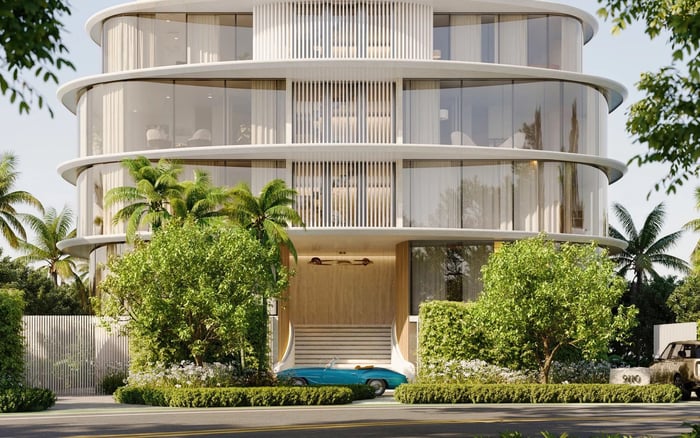
A cash closing can simplify financing, but it does not resolve the practical questions surrounding an art collection. Aventura buyers should evaluate display locations, storage, lighting controls, mechanical planning, backup procedures, insurance coordination, and building rules before committing to a residence.

An all-cash purchase can remove financing contingencies, but it should not compress the review of a residence intended to hold meaningful art. The central question is not whether a home appears gallery-like during a showing, but whether it can support the owner's standards for display, storage, handling, security, lighting, and environmental management after closing.
For Aventura buyers, art planning belongs alongside legal review, inspections, insurance discussions, and renovation analysis. This is especially important for a second home, where the owner may be absent for extended periods and must rely on systems, staff, and clearly assigned responsibilities.
The collection should be treated as part of the acquisition brief. Buyers comparing Avenia Aventura with options elsewhere in the coastal corridor should apply the same written checklist to every candidate. A consistent process makes tradeoffs easier to identify.
Before evaluating walls, prepare a confidential collection profile with the appropriate advisers. It should distinguish works intended for display from those requiring storage, identify unusually large or delicate pieces, and note any owner-imposed handling or environmental protocols. The objective is not to circulate sensitive details, but to give the buyer's architect, lighting consultant, art adviser, insurer, and mechanical specialist enough information to assess suitability.
Then map the entire route from arrival to final placement. Ask where a delivery vehicle may stop, which entrance may be used, how access is scheduled, what protective measures are required, and whether elevators, corridors, turns, and doorways can accommodate anticipated works. Written building procedures carry more weight than informal assurances.
The same discipline applies when considering nearby residences such as Armani Casa Sunny Isles Beach. A compelling room is only one part of the decision. The buyer should also understand how a piece reaches that room-and who controls the process.
A wall survey should address more than dimensions. Ask the design team to review substrates, attachment strategies, concealed services, vents, sprinklers, controls, doors, and circulation. Confirm which modifications require association or management approval. If millwork, blocking, shades, or specialized fixtures are contemplated, determine whether they can be installed within the buyer's schedule and the applicable permissions.
Lighting requires a room-by-room plan. Rather than accepting a single specification, define the intended use of each zone: art viewing, entertaining, daylight hours, evening occupancy, and periods of absence. Ask a qualified lighting professional to propose controllable scenes, fixture locations, aiming, glare management, and a commissioning process. Any conservation criteria should come from the specialists responsible for the individual works.
This is where design and architecture become operational rather than cosmetic. Buyers touring Bentley Residences Sunny Isles can use the visit to record daylight direction, potential display surfaces, shade controls, ceiling conditions, and the practical location of controls-without assuming that a presentation setting reflects their eventual needs.
The useful question is not simply whether the residence is air-conditioned. Buyers should ask how temperature and humidity are monitored, controlled, recorded, and escalated, both when the home is occupied and when it is vacant. The collection's conservator or another qualified adviser should define acceptable conditions; the mechanical team can then evaluate whether the residence and proposed improvements can support them.
Request a clear explanation of the equipment serving the unit, thermostat and sensor locations, maintenance responsibilities, alert capabilities, and the response process following a fault. If remote monitoring is desired, clarify who receives notifications and who has authority to enter. If backup power is important, verify in writing what it serves rather than relying on a general reference to emergency capability.
A waterfront setting may shape the buyer's broader maintenance brief, but location alone does not answer collection-care questions. Each residence, exposure, interior plan, and operating arrangement requires independent review.
A spare closet is not automatically an art-storage solution. Begin with the objects to be held, their dimensions, packing methods, access frequency, and specialist requirements. Ask whether the proposed room can accommodate appropriate racks or cabinets, safe handling clearances, monitoring, lighting, and controlled access without disrupting household operations.
Do not choose a storage location solely because it is hidden. Have the relevant professionals review its proximity to plumbing, mechanical equipment, exterior openings, and other conditions material to the collection plan. If off-site storage remains part of the strategy, document how works will move between locations and who approves each transfer.
When evaluating Regalia Sunny Isles Beach or another coastal residence, buyers can raise the same questions during the first serious walkthrough. Early screening protects time and prevents storage from becoming an improvised post-closing project.
Collection stewardship spans several parties, so responsibilities should be explicit. The purchase team may include real-estate counsel, an inspector, an architect, a mechanical engineer or contractor, a lighting designer, an art adviser, a conservator, an installer, a security professional, and an insurance adviser. Their scopes should be coordinated, not blurred.
Before closing, request the applicable alteration rules, delivery procedures, contractor requirements, access policies, and available system documentation. Ask counsel to review what is promised, what is merely proposed, and what requires future approval. Cash buyers retain leverage through disciplined due diligence, not speed alone.
The result should support both preservation and lifestyle: a residence where art can be enjoyed without turning every departure, delivery, or lighting adjustment into an exception. A written operating plan can identify contacts, inspection routines, alert escalation, access authority, and the protocol for changing a display.
Does paying cash remove the need for an inspection? No. The buyer should define the inspection scope with qualified advisers and align it with the collection plan.
When should an art adviser join the purchase process? Ideally, before the buyer commits to a residence or finalizes a renovation brief.
Can a regular closet be used for art storage? Only after appropriate specialists assess the works, room, access, monitoring, and proposed storage system.
Who should define temperature and humidity requirements? A qualified collection-care professional should define them for the works, with the mechanical team assessing feasibility.
What should buyers ask about lighting? Ask about daylight control, fixture placement, aiming, dimming, scenes, commissioning, and alteration approvals.
Why review the delivery route before closing? It helps determine whether anticipated works can move from arrival to placement under the building's procedures.
Should backup power be assumed from an emergency generator? No. Buyers should verify in writing which systems and in-unit functions are actually supported.
Is remote monitoring enough for an occasionally occupied home? It should be paired with named recipients, entry authority, response instructions, and specialist escalation.
What building documents are most relevant? Request the alteration, contractor, delivery, elevator, access, and emergency procedures applicable to the residence.
Can art planning wait until after closing? It can, but early review gives the buyer more opportunity to assess feasibility, approvals, cost, and timing.
To compare the best-fit options with clarity, connect with MILLION.
If branded residences are on your mind — as a home or as an allocation — we would be glad to share what we are seeing, privately.
Begin a quiet conversation