For trust and entity buyers, a Fort Lauderdale penthouse acquisition requires more than selecting the right residence. Negotiate assignment flexibility, quantify default exposure, and establish enforceable boundaries around delivery and closing delays before signing.
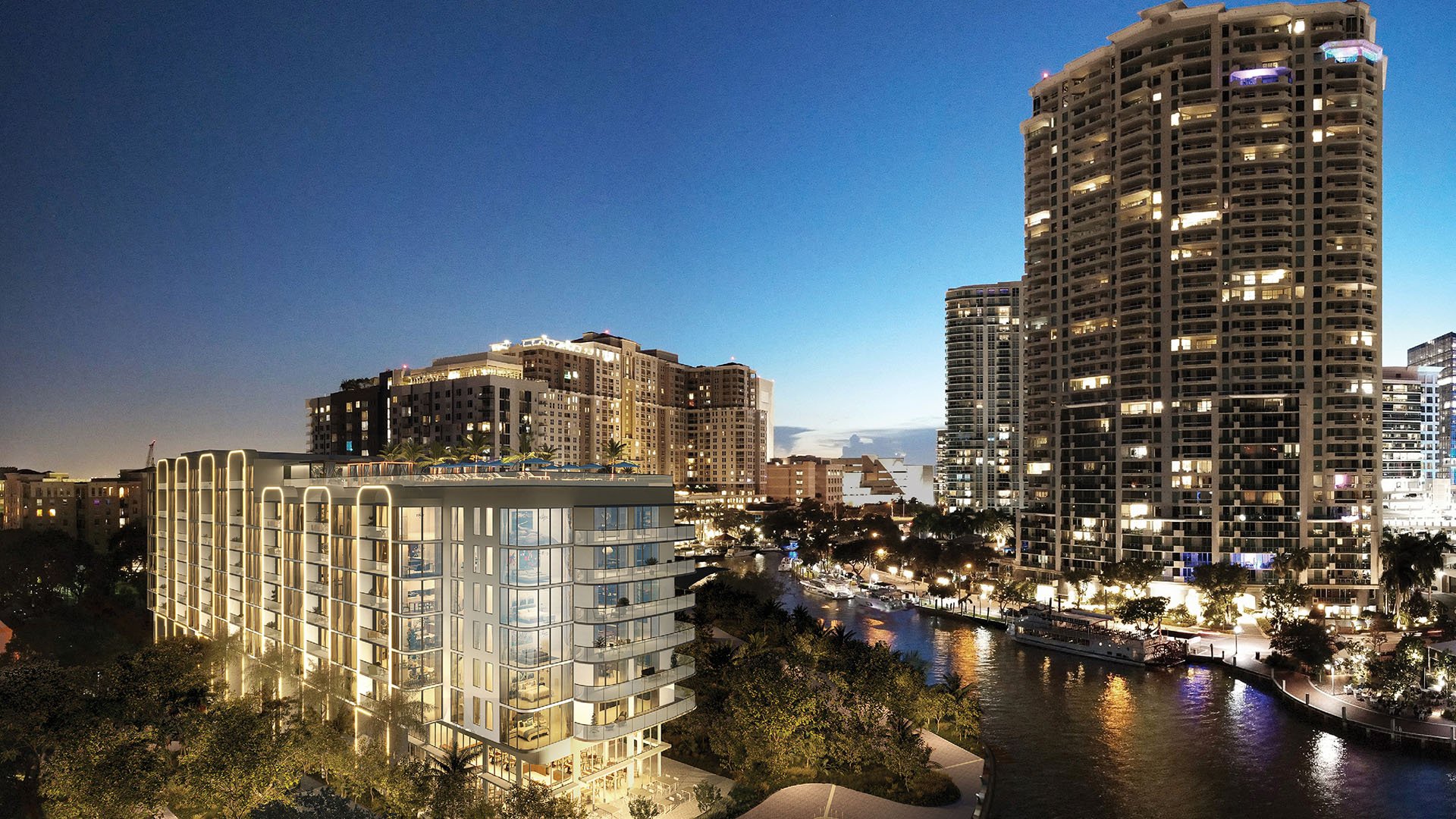
For a Fort Lauderdale penthouse buyer, the ownership structure deserves the same attention as the residence itself. A purchase intended for a family trust or LLC should not rest on the assumption that the named buyer can change before closing. In South Florida preconstruction agreements, assignment may require developer consent-even when the recipient is the buyer’s own trust or entity.
The essential negotiation has four parts: permission to transfer the contract, a defined financial consequence for buyer default, clear treatment of extraordinary disruptions, and a deadline beyond which the buyer can exit with deposits returned. These are protections to request, not automatic rights.
For buyers considering St. Regis® Residences Bahia Mar Fort Lauderdale, the starting point is the purchase agreement and its riders. None of the provisions discussed here should be understood as verified terms of that project or any other named residence.
Before signing, ask counsel to negotiate language that distinguishes a transfer to your own trust or entity from an assignment to an unrelated purchaser. An internal ownership change does not, by itself, create an exception to a general assignment restriction.
The requested exception should clearly identify the permitted recipient. The agreement should specify whether developer consent remains necessary, which approval criteria apply, and what assignment or processing fees would be charged. Written conditions carry more weight than an assurance that an ownership change can be handled later.
Request these points together:
Express permission for the contemplated trust or entity assignment.
A clear distinction between that transfer and a third-party assignment.
Written approval requirements and any associated fees.
For an acquisition being evaluated at Sixth & Rio Fort Lauderdale, the same document-first discipline applies: establish whether the proposed ownership structure is permitted before relying on it. The project name does not answer the assignment question; the signed language must.
A deposit schedule is also a risk schedule. Luxury preconstruction contracts can provide for retention of all deposits paid if the buyer defaults. Reviewing only the first payment may understate the amount ultimately at stake.
Ask counsel to translate the default clause into a dollar figure at each deposit milestone. The review should distinguish money already deposited from money promised, and determine whether the proposed default language reaches unpaid installments.
Request a written exposure summary showing deposits paid, remaining scheduled deposits, and the amounts the seller could seek under the proposed default language. The question is not merely how much sits in escrow today, but what the contract places at risk.
A clause labeled liquidated damages does not necessarily establish the seller’s sole remedy. Do not assume that forfeiting the deposit ends the matter.
Ask counsel whether the proposed agreement makes liquidated damages the seller’s exclusive remedy for buyer default. If another enforcement route remains available, a deposit cap alone may not provide the certainty the buyer expects.
The drafting request should address both the amount recoverable and the remedies available. These are separate questions that require a coordinated review.
Ask counsel to assess whether the proposed damages provision is enforceable under applicable Florida law rather than assuming that its label or a familiar deposit percentage settles the issue. Do not rely on the possibility of a later challenge as protection.
Do not treat force majeure as a general escape provision whenever a hurricane appears. Ask counsel what connection the agreement requires between a covered event and an inability to perform or complete essential closing services.
The covered-event list matters. Review how the agreement treats hurricanes, floods, extreme weather, governmental actions, and other disruptions. Request a comparison of the event definitions, extensions, and termination provisions rather than assuming that protections from another contract apply.
The timing distinction is critical. Establish when an extension begins, how long it lasts, and whether the agreement allows additional time after the disruption ends. A recovery period after an event is different from a cap on the total permitted delay.
Ask counsel to identify any prolonged-delay termination right, its written-notice requirements, and the treatment of deposits. The executed agreement and riders require their own review; no specific extension period or refund right should be assumed.
An advertised delivery window is not a contractual deadline. Developer extension rights can keep a buyer committed beyond a projected completion timeline. The practical question is how long the agreement allows that commitment to continue.
Request a binding outside date for completion or closing, an express buyer termination right if that deadline is missed, and a full deposit return. Specify whether force majeure can extend the outside date. Without that clarification, the apparent endpoint may still move.
For a broader Broward search that includes Four Seasons Hotel & Private Residences Fort Lauderdale, maintain a clear distinction between a custom developer transaction and a resale. Contract protections must be evaluated for the particular sale, not inferred from branding or location.
Ask counsel for one coordinated review of the assignment clause, deposit schedule, default remedies, force majeure language, and outside date. The goal is to establish what is permitted, how much capital is at risk, and what ends the commitment.
For a trust or entity buyer, these provisions belong in the acquisition decision, not on a post-signing checklist. A well-considered purchase pairs the desired residence with written terms that make ownership flexibility, capital exposure, and timing clear. This is a contract-review framework, not individualized legal advice.
For a discreet conversation about your Fort Lauderdale penthouse search, connect with MILLION.
If branded residences are on your mind — as a home or as an allocation — we would be glad to share what we are seeing, privately.
Begin a quiet conversationDo not assume you can. Preconstruction agreements may require developer consent, so negotiate express permission before signing.
It is requested contract language distinguishing a transfer to your own trust or entity from an assignment to an unrelated purchaser. Its scope and conditions should be stated expressly.
Request the developer’s approval criteria, any consent requirements, and assignment or processing fees. Confirm that the proposed trust or entity falls within the permitted transfer language.
Luxury preconstruction contracts can provide for retention of all deposits paid. Counsel should calculate the exposure under the actual agreement at each deposit milestone.
Ask counsel whether the proposed default language reaches deposits promised but not yet paid. The exposure summary should distinguish paid deposits from remaining installments.
Do not assume that it does. Ask counsel to assess the proposed amount and wording under applicable Florida law.
No. Ask counsel whether liquidated damages are the exclusive remedy or whether the agreement preserves an alternative enforcement route.
Do not assume it does. Counsel should review the agreement’s covered events and the required connection between the disruption and contractual performance.
Establish when extensions begin and end, including any recovery period after the disruption. Also identify any prolonged-delay termination right, notice requirements, and deposit-return terms.
Request a final completion or closing deadline, an express buyer termination right, and full deposit return. State whether force majeure can extend that deadline.