A long-term Coconut Grove residence calls for more than an appealing floor plan. Buyers should request precise tax calculations, documented FIRPTA treatment, a careful title review, and building-specific evidence that supports both aging in place and a future exit.
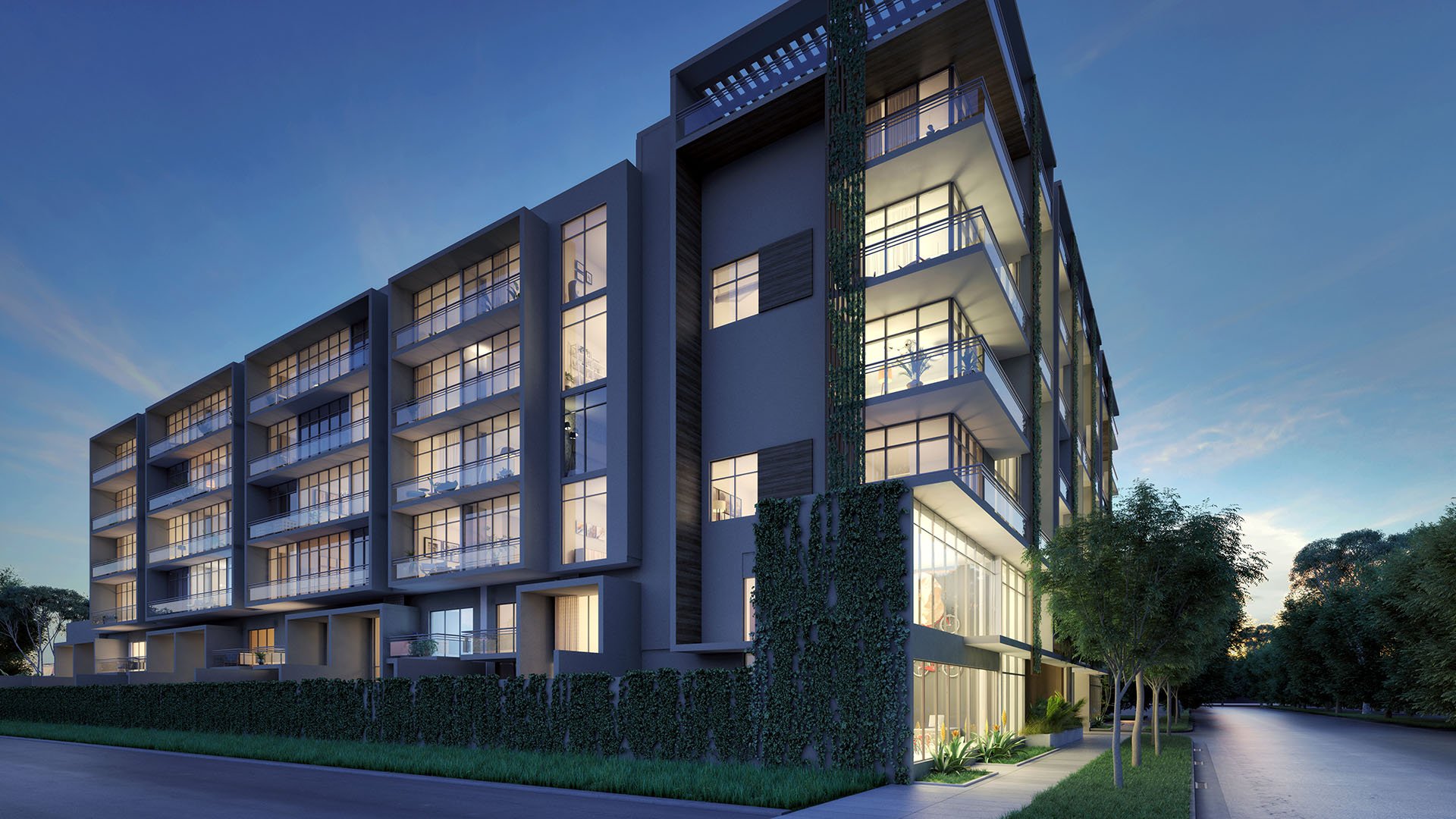
For a buyer planning to age in place, the finest condominium preserves choice: the ability to live comfortably, adapt the interior, and leave without unnecessary friction if circumstances change. In Coconut Grove, a boutique residence should be evaluated through two equally important lenses: everyday usability and the documents governing ownership.
The purchase file should connect those lenses. Tax calculations establish the transaction budget; FIRPTA documentation addresses withholding treatment; title review identifies insured and uninsured ownership risks. Building records and a future-sale worksheet then test whether the residence fits a longer horizon.
When considering Arbor Coconut Grove, use the same disciplined set of requests you would for any alternative. A project name is not evidence of accessibility, financial resilience, or unrestricted resale. Those questions require property-specific answers.
Start with a Miami-Dade-specific calculation. The county’s base documentary stamp tax on deeds is $0.60 for each $100 of consideration or fraction thereof, rather than the $0.70 rate applicable elsewhere in Florida.
Miami-Dade also has a $0.45 surtax for each $100 unless the single-family-dwelling exemption applies. Do not accept a combined $1.05 rate solely because the residence is described as a condominium. Ask the closing attorney or title company to explain the treatment of this particular transfer and document the exemption assumptions in writing.
On a $2 million transfer, the base deed tax is $12,000. It rises to $21,000 only if the surtax applies. Resolve that $9,000 difference before treating the closing estimate as settled. Because the calculation uses $100 increments or fractions thereof, request the exact calculation rather than relying on a percentage shortcut.
The worksheet should also identify who pays under the purchase contract. Local custom is no substitute for written contractual allocation. If financing is involved, request a separate line for documentary stamp tax on taxable loan documents, calculated at $0.35 for each $100 or fraction thereof. Keep financing taxes distinct from deed taxes.
Request written confirmation of the seller’s foreign or nonforeign status early. FIRPTA can require withholding when a foreign person sells U.S. real estate, and withholding can reach 15% of the gross purchase price. This is not a minor adjustment to reconcile at the last moment.
Ask the closing attorney or title company for a written determination of the applicable treatment, the required seller documentation, the basis for any claimed exemption, and who will handle withholding compliance. Have the closing team explain how that determination will appear in the settlement figures.
For an aging-in-place purchase, this is also a matter of coordination. If the move involves selling another home, scheduling alterations, or arranging assistance, ask counsel to identify unresolved withholding questions before relying on the proposed closing schedule. The objective is clarity-not an assumption that every foreign seller triggers identical treatment.
Request the title commitment, proposed owner’s policy, exceptions, and endorsements together. Counsel should explain both what the policy is intended to insure and which risks remain outside the purchased coverage.
Ask specifically about recorded easements, existing liens, condominium-document issues, and developer rights. These are subjects for review, not assertions that any particular property has a defect. Coverage depends on the policy’s terms and exceptions; a title policy does not mean every ownership concern is insured.
If Opus Coconut Grove is on the shortlist, request the documents applicable to the actual residence and transaction rather than relying on a general project description. Keep title questions separate from operational questions: title insurance does not confirm elevator reliability, accessible routes, or association finances.
Ask counsel for a written distinction between matters to resolve before closing and exceptions the buyer would accept at closing.
Assess aging in place from arrival to bedroom, not merely through the appeal of an open living area. Request a walkthrough focused on the route from parking or drop-off through entrances, elevators, corridors, and the residence itself. Ask where steps, thresholds, or tight transitions could interfere with future mobility.
Request information about elevator maintenance, service interruptions, and emergency evacuation arrangements. Ask how a resident who cannot use stairs would be accommodated during an interruption or emergency. These are building-specific questions, not assumed features of boutique ownership.
Inside the home, ask a qualified design professional to assess bathroom adaptability and circulation. Then obtain the applicable alteration rules and approval procedures. A proposed modification should not become part of the long-term plan merely because it appears physically possible.
For a residence under consideration at The Lincoln Coconut Grove, pair the floor-plan review with the governing documents. Ask what approvals the contemplated changes would require and what remains uncertain before committing to a renovation budget.
Aging in place is a preference, not an obligation to remain indefinitely. Request the actual leasing rules and transfer restrictions so you can evaluate a later move without assuming the home may simply be rented or transferred on the owner’s preferred terms.
Also request association financial statements, engineering documentation, assessment notices, and litigation disclosures. Have advisers distinguish documented obligations from unresolved questions. The purpose is to understand the evidence available for this building, not to infer its condition from neighboring properties.
When evaluating The Well Coconut Grove, apply the same exit review independently of its name or presentation. Neither establishes leasing flexibility, reserve adequacy, or future buyer demand.
Ask for a resale-cost scenario that recalculates deed tax using the applicable rules and anticipated contract allocation. Do not presume the next buyer will absorb it. Label hypothetical sale prices as assumptions, not forecasts, and ask advisers to identify other transaction costs requiring estimates. If a later sale could involve foreign-person status, include a fresh FIRPTA review rather than carrying forward the original purchase conclusion.
Before proceeding, assemble one file containing the tax worksheet, FIRPTA determination, title documents, accessibility questions, alteration rules, association records, and resale scenario. Ask each adviser to identify unanswered items and the decisions they affect. Preserve written answers alongside the documents they interpret.
The most valuable luxury here is optionality: confidence that the home suits the present without obscuring the choices a future owner may need to make.
For a considered approach to your Coconut Grove search, explore MILLION.
If branded residences are on your mind — as a home or as an allocation — we would be glad to share what we are seeing, privately.
Begin a quiet conversationRequest a tax worksheet, written FIRPTA determination, title documents, and building-specific information on access and alterations. Add association records, leasing and transfer rules, and a future-resale scenario.
The base rate is $0.60 for each $100 of consideration or fraction thereof. Ask the closing agent for the exact calculation for the transaction.
Do not assume so. Miami-Dade’s $0.45 surtax applies unless the single-family-dwelling exemption applies, and the closing team should confirm the particular transfer’s treatment.
The base deed tax is $12,000, rising to $21,000 only if the surtax applies. The estimate should state its exemption assumptions and contractual payment allocation.
Yes, taxable loan documents can trigger tax at $0.35 for each $100 or fraction thereof. Request a financing-tax calculation separate from the deed-tax calculation.
Request written confirmation of seller status, applicable withholding treatment, required documentation, and the basis for any claimed exemption. The team should also identify who handles compliance, since withholding can reach 15% of the gross purchase price.
Request the title commitment, proposed owner’s policy, exceptions, and endorsements. Ask counsel to explain coverage and remaining risks involving easements, liens, condominium documents, and developer rights.
No; accessibility, elevator reliability, emergency arrangements, and bathroom adaptability require separate property-specific review.
Ask a qualified design professional to assess adaptability, then obtain the applicable alteration rules and approval procedures. Physical feasibility should not be confused with permission to proceed.
Review leasing and transfer restrictions, association finances, engineering documentation, assessment notices, and litigation disclosures. Request a resale-cost scenario that recalculates deed tax without assuming the next buyer will pay it.