A collector-ready residence requires more than generous walls. Environmental control, considered lighting, secure storage, service access and continuity planning should shape the purchase decision from the outset.
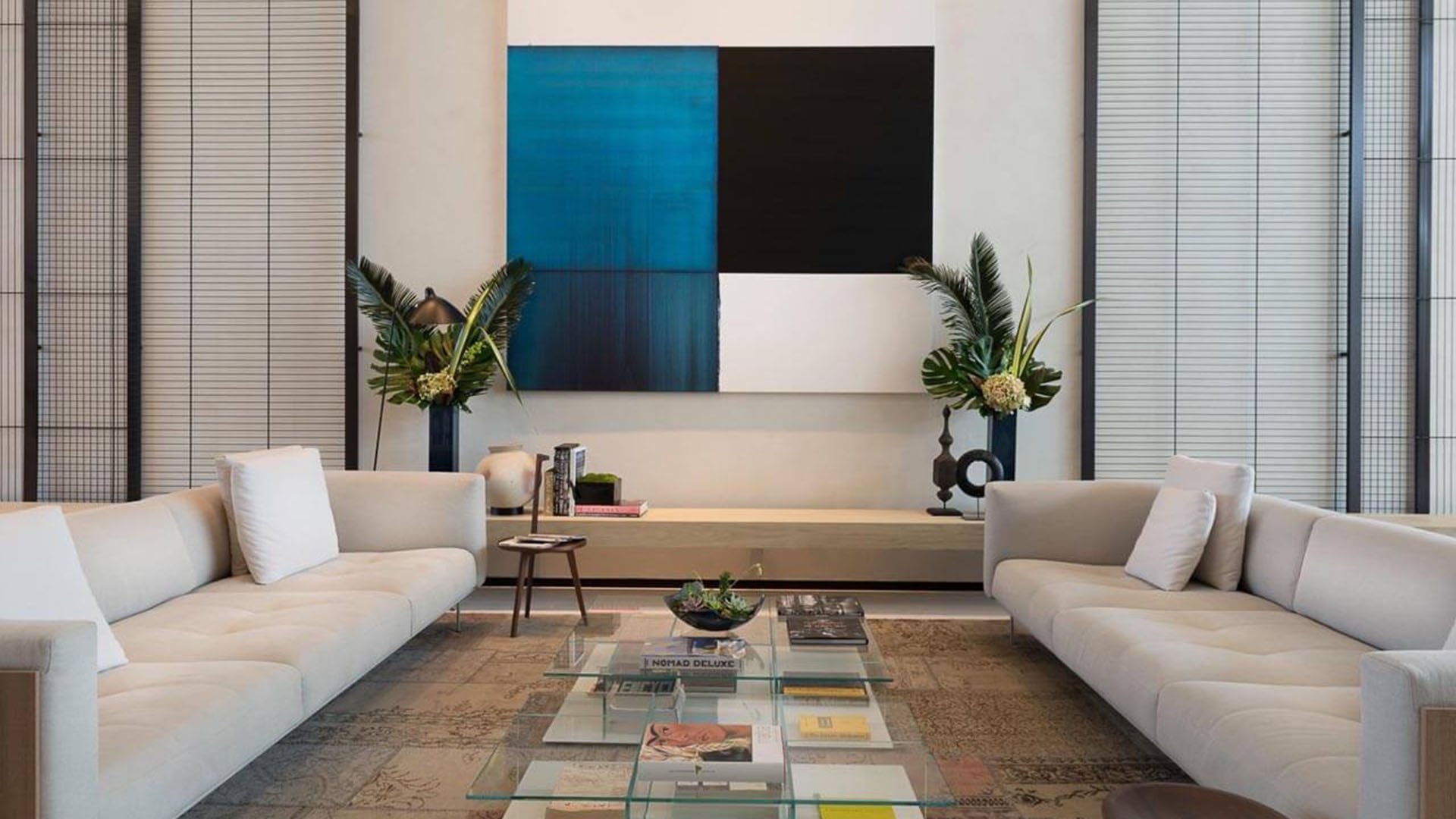
A residence can resemble a private gallery without being equipped to protect a collection. Generous walls and beautifully composed rooms establish the setting; environmental stability, discreet service access and secure support spaces determine whether the home can meet the practical demands of ownership.
For a South Florida buyer, that distinction belongs in the purchase brief, not the installation schedule. The essential question is not simply where a painting will hang, but how it will arrive, what conditions it will experience and who will respond when the owner is away. A collection deserves residential infrastructure as considered as its presentation.
Begin with a collection-specific brief prepared with a conservator and the relevant design and installation specialists. Different materials may require different approaches. A single temperature setting or an appealing description such as “climate-controlled” is no substitute for a documented plan.
Standard residential air conditioning prioritizes human comfort and can allow temperature and humidity fluctuations unsuitable for sensitive works. In South Florida, dedicated dehumidification deserves particular scrutiny. A cool room alone is not evidence that moisture is being managed appropriately.
Request written temperature and relative-humidity specifications for both display and storage areas. Ask how conditions are measured, whether monitoring records are available and who receives alerts when readings fall outside the agreed range. Specifications should reflect the collection, not a universal idea of museum conditions.
When evaluating a residence at The Residences at 1428 Brickell, for example, include a technical review of the proposed display rooms in the purchase brief. This is a due-diligence recommendation, not an assertion about the building’s installed systems.
Depending on the collection, the solution may combine precision HVAC, dehumidification, filtration, sensors and remote monitoring. Establish which components already exist, which require modification and whether the proposed work can be accommodated before considering the residence suitable.
Art lighting should do more than make a room look finished. A considered plan addresses dimming, separate lighting zones, color temperature, direct sunlight and ultraviolet exposure. General room lighting alone does not resolve those questions.
During a viewing, assess intended display positions in relation to windows and shades. Then ask a specialist to review how lighting and daylight controls would work together. The goal is a deliberate balance between enjoying the architecture and managing exposure for the works on display.
For a buyer considering The Perigon Miami Beach, the Miami Beach search should pair aesthetic preferences with a room-by-room lighting assessment. Neither an attractive presentation nor a compelling view establishes that a particular wall is appropriate for a sensitive work.
A large work may arrive in a crate, require a scheduled delivery day and depend on freight-elevator access. These are purchase considerations, not details to delegate after closing.
Ask the handling team to review the complete route from delivery point to final position. Confirm dimensions and access conditions throughout service areas, elevators, doors and turns. Establish where a crate can be opened, where packing materials can wait and how installation will be coordinated with building management.
The same discipline applies when considering Four Seasons Residences Coconut Grove. Evaluate a Coconut Grove address against the collection’s actual movement requirements, with service procedures confirmed rather than assumed.
The destination wall also needs scrutiny. Heavy or unusually sized works may require reinforced substrates, engineered anchors or concealed blocking. Review these needs before finishes are completed, and ask the appropriate specialists to establish what the installation requires.
A functioning collection needs space for rotating works, archives, packing materials and pieces awaiting installation. Secure support space is not leftover square footage. It is part of the home’s operating plan.
Do not assume a condominium storage locker offers the environmental protection of a dedicated art-storage room. Examine temperature and humidity ranges, monitoring records, fire protection, access controls and emergency procedures wherever works will be held.
For a residence under consideration at The Delmore Surfside, the Surfside purchase brief should distinguish display space from verified storage arrangements. That distinction applies whether storage is proposed within the residence or elsewhere.
Professional off-site storage and handling can support seasonal occupancy, collection rotation, renovations and moves between homes. The choice need not be entirely on-site or off-site. It should reflect which works are being enjoyed, which are being held and how each will move safely between locations.
A home can remain welcoming while maintaining clear boundaries around its collection. Public display areas should be separated from restricted storage, packing, mechanical and security zones. Consider who needs access to each space and under what circumstances.
Layered access controls, monitored alarms and surveillance offer a more considered approach than a conventional door alarm alone. If a dedicated vault or safe room is proposed, its planning must address structural loads, fire resistance, environmental control, access permissions and the movement of artworks.
Integrated controls can coordinate lighting, shades, climate zones, security and remote alerts for owners and authorized staff. The useful question is not how many functions appear on a screen, but whether access and responsibilities are clearly defined.
For a seasonal owner, the residence must remain operational between visits. Backup-power planning should account for climate controls, dehumidification, security, communications and environmental monitoring-not basic lighting alone. Ask which collection-related systems remain supported during an interruption.
Keep inventories, photographs, appraisals, condition reports and installation documentation current. These records support insurance and handling decisions while giving those responsible for the collection a consistent reference.
Before committing, bring the environmental specifications, lighting plan, delivery route, storage arrangements, installation requirements and emergency procedures into one review. The most convincing collector’s residence is not necessarily the one with the longest uninterrupted wall. It is the one whose practical capabilities align with the works, the owner’s routines and the realities of being away.
Explore South Florida residences with a collection-focused perspective at MILLION.
If branded residences are on your mind — as a home or as an allocation — we would be glad to share what we are seeing, privately.
Begin a quiet conversationNot necessarily. It prioritizes human comfort and can permit temperature and humidity fluctuations unsuitable for sensitive artworks.
Request written temperature and relative-humidity specifications for display and storage areas, along with monitoring records where available. Have a conservator assess whether those conditions suit the collection.
No single setting should be treated as universal. Environmental requirements should be established for the materials and works in the collection.
South Florida’s heat and moisture challenge residential climate systems. Dedicated dehumidification deserves separate review rather than assuming that cooling alone provides suitable conditions.
It should address dimming, zoning, color temperature, direct sunlight and ultraviolet exposure. General room lighting alone is not a complete art-lighting strategy.
Do not assume a locker offers dedicated art-storage conditions. Verify environmental ranges, monitoring, fire protection, access controls and emergency procedures before using it for works.
Review the complete route for the crated artwork, including service access, freight elevators, doors and turns. Confirm delivery booking procedures and space for unpacking.
They may require reinforced substrates, engineered anchors or concealed blocking. Have installation requirements reviewed before finishes are completed.
Planning should consider climate controls, dehumidification, security, communications and environmental monitoring, not just lighting. Confirm which systems will actually remain supported.
Maintain current inventories, photographs, appraisals, condition reports and installation documentation. These support insurance and handling decisions.