A polished Wellington season begins before arrival. Buyers should coordinate specialist art transport, confirm property-specific delivery rules, and plan climate protection for both winter occupancy and the months beyond.
Wellington’s Winter Equestrian Festival typically runs from January through April, overlapping with the Global Dressage Festival. Exact dates vary by season, but the buyer’s planning question remains the same: will the residence be ready to receive the household, its collection, and its operating team before the calendar becomes demanding?
For a seasonal owner, readiness means more than furniture installation. Art transport, receiving access, conditioned storage, and ongoing property care should form a single coordinated plan. A Wellington farm and a condominium used as a residential base require different preparations, even when they serve the same household.
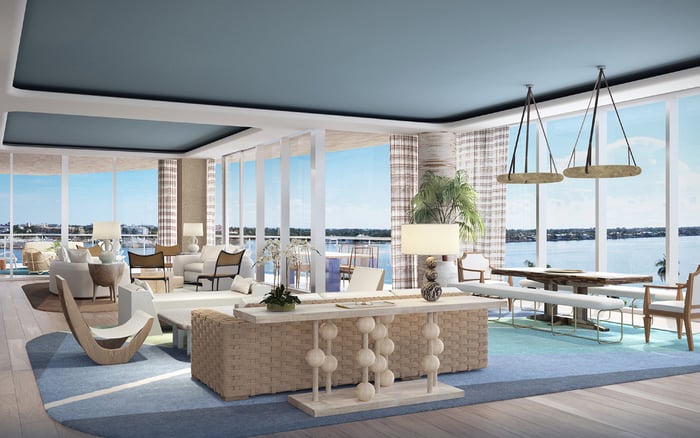
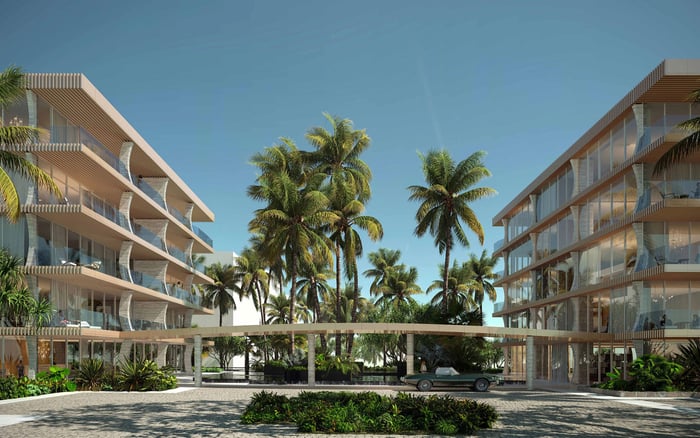
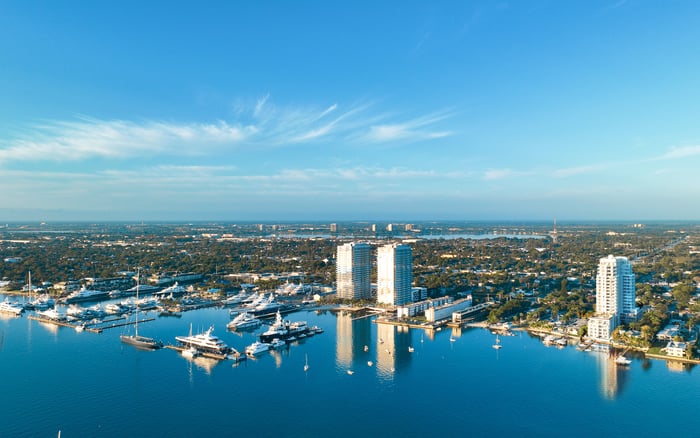
For buyers also considering West Palm Beach, a residence at Alba West Palm Beach calls for a different set of delivery questions than an equestrian estate. Obtain the property’s actual procedures rather than carrying assumptions from one address to another. Confirm project-specific access and service arrangements directly before committing to shipments.
Begin estate-move planning three to six months ahead as a practical guideline, not a legal requirement. That interval gives the owner, estate manager, and specialist handlers time to align shipments with the residence’s readiness and any applicable building approvals.
Start by separating ordinary household goods from assets requiring specialized handling. Fine art, wine, and antiques should not automatically share a packing and transport plan with everyday furnishings. Ask the relevant specialists to define the services each category needs and identify who will receive it.
For a Palm Beach residence paired with time in Wellington, designate one accountable contact for the residential move. That person should coordinate delivery dates, access approvals, storage arrangements, and the estate-opening schedule. Keep the equestrian operating plan alongside it, with veterinary care, farriers, feed, bedding, and staffing addressed separately. A successfully delivered collection does not, by itself, make a farm operational.
Treat “climate-controlled transport” as the beginning of a discussion, not a complete specification. Specialist capabilities can include climate-controlled vehicles, insulated cargo areas, humidity monitoring, and air-ride suspension. Confirm which features apply to the vehicle and shipment being booked; do not assume every service includes them all.
Packing deserves equal attention. Sealed crates, protective materials, and storage designed for sensitive, high-value objects can be part of specialist art logistics. Ask the handler to explain the proposed protection for each object and trace the shipment’s path from packing through transport, temporary storage if needed, and final receipt.
Make the handoffs explicit. Who accepts delivery if the owner has not arrived? Where will the crates wait if access is delayed? Is the proposed holding space both climate- and humidity-controlled? Resolve these questions before committing to a delivery date, not when the vehicle reaches the property.
The objective is continuity of care, with each party clear about where its responsibility begins and ends.
Freight-elevator questions belong to the condominium delivery plan. Do not treat them as a Wellington-wide standard or assume that a private farm follows association moving procedures designed for a tower.
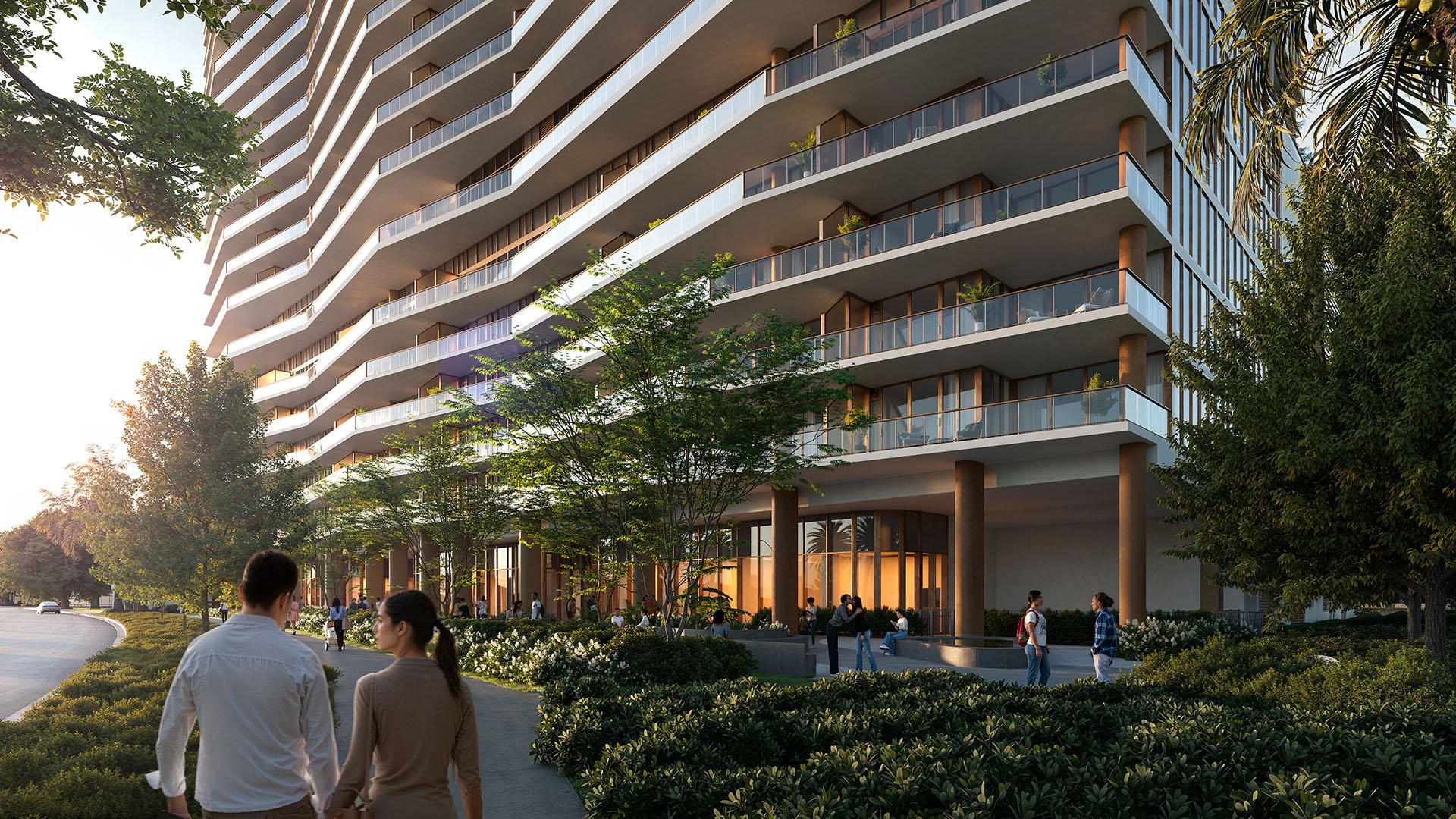
For a buyer evaluating Forté on Flagler West Palm Beach, request the building’s applicable written moving and delivery procedures. Confirm which elevator may be used, how access is reserved, and who authorizes oversized deliveries. Do not infer those answers from the residence’s presentation or amenities.
Ask management whether its procedures require advance arrangements, designated reservation hours, or penalties for unauthorized moves. Confirm any floor and elevator protection requirements, including whether clean Masonite runners along dolly routes and protective elevator wall and floor coverings are needed before moving begins. These are issues to verify, not stated requirements of any project named here.
Ask the receiving team to check crate dimensions against the complete delivery route, including doorways and turns. Obtain applicable documentation requirements, charges, and protection responsibilities directly from management. Do not rely on a presumed standard elevator size or moving-fee schedule.
Wellington’s milder winters do not eliminate the need for climate protection. Summers are hot and humid, with frequent afternoon thunderstorms. A collection’s care plan should address the months when the owner is elsewhere as carefully as the weeks of occupancy.
For art and collectibles awaiting installation or moving between residences, arrange climate- and humidity-controlled storage. Ask what environmental conditions the facility maintains, how they are monitored, and who responds to a problem. Have the collection’s specialists establish appropriate requirements rather than adopting a universal temperature or relative-humidity target.
When considering Mr. C Residences West Palm Beach, apply the same discipline: ask how the particular residence would be monitored during an absence and which responsibilities remain with the owner. This is a due-diligence question, not an assumption about the project’s services.
Emergency planning also matters. Request the condominium’s emergency plan and ask how potential interruptions to elevators, electricity, and air conditioning would be handled. Discuss contingency storage and access before an interruption occurs rather than assuming uninterrupted service.
A Wellington equestrian purchase requires an inspection scope that extends beyond the main residence. Review deed restrictions, HOA rules where applicable, recorded easements, zoning, and permitted uses. Examine permit histories for barns and arenas; existing structures do not establish that every intended activity is authorized.
Physical due diligence should include barns, outbuildings, drainage, flood exposure, hurricane readiness, and electrical capacity. Review flood maps, request elevation certificates where applicable, and examine stormwater permits and drainage infrastructure. These checks belong in the acquisition process, before the household’s seasonal plan depends on the property.
For deliveries, replace the tower’s elevator checklist with a property-specific access review. Ask the moving team to inspect the proposed vehicle approach and unloading route, then reconcile that plan with applicable covenants and operational needs. Coordinate residential deliveries with the working property rather than treating the estate as an empty receiving site.
Before committing to the move, bring four elements together: the specialist shipment plan, written receiving procedures, conditioned storage arrangements, and the property’s inspection findings. Establish who approves access, who accepts the collection, and who oversees the residence after departure.
A compelling seasonal home should support both the pleasures of Wellington and the practical care of what the owner brings. The most discreet arrival is one whose complications have already been addressed.
Explore South Florida residences with MILLION and make operational readiness part of your property selection.
If branded residences are on your mind — as a home or as an allocation — we would be glad to share what we are seeing, privately.
Begin a quiet conversationThe Winter Equestrian Festival typically runs from January through April and overlaps with the Global Dressage Festival. Exact dates depend on the season.
Three to six months is a useful recommended planning window. It is not a legal requirement, and the schedule should reflect the household’s shipment and receiving needs.
Fine art, wine, and antiques warrant specialized handling rather than automatic inclusion in an ordinary household moving plan. Confirm the appropriate services with the relevant specialists.
Ask whether the booked shipment includes climate control, insulated cargo areas, humidity monitoring, and air-ride suspension. Confirm packing, crating, and any storage arrangements separately.
No; condominium delivery rules are property-specific, while farms and estates need their own access, covenant, and operational reviews.
Obtain written moving procedures covering authorization, reservations, route suitability, protective coverings, documentation, and applicable charges. Confirm who supplies and installs any required protection.
Climate- and humidity-controlled storage is recommended for art and collectibles during transitions, including winter arrivals when installation or receiving access is delayed.
Do not assume a universal target. Have the collection’s specialists define appropriate requirements and confirm how transport, storage, and residential systems will meet them.
Request the condominium’s emergency plan and ask how interruptions to air conditioning, electricity, and elevator access would be handled. Discuss contingency storage and access with management and the collection’s specialists.
Review restrictions, easements, zoning, permitted uses, and barn and arena permit histories. Inspections should also address outbuildings, drainage, flood exposure, hurricane readiness, and electrical capacity.