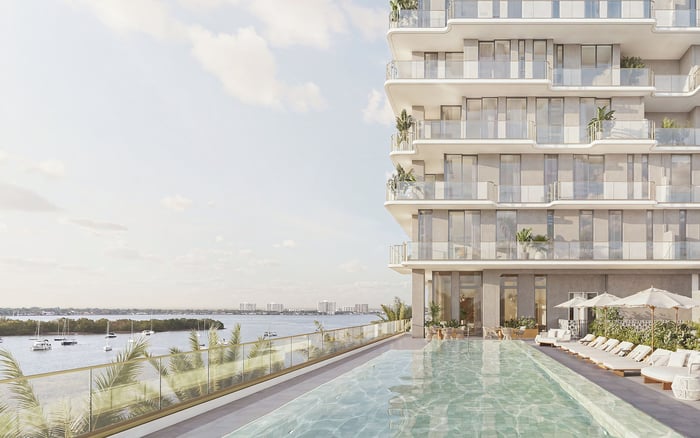
A disciplined buyer’s guide to insurance, wind exposure, flood review, building standards, shared liabilities, and post-storm habitability at this waterfront South Beach residence.
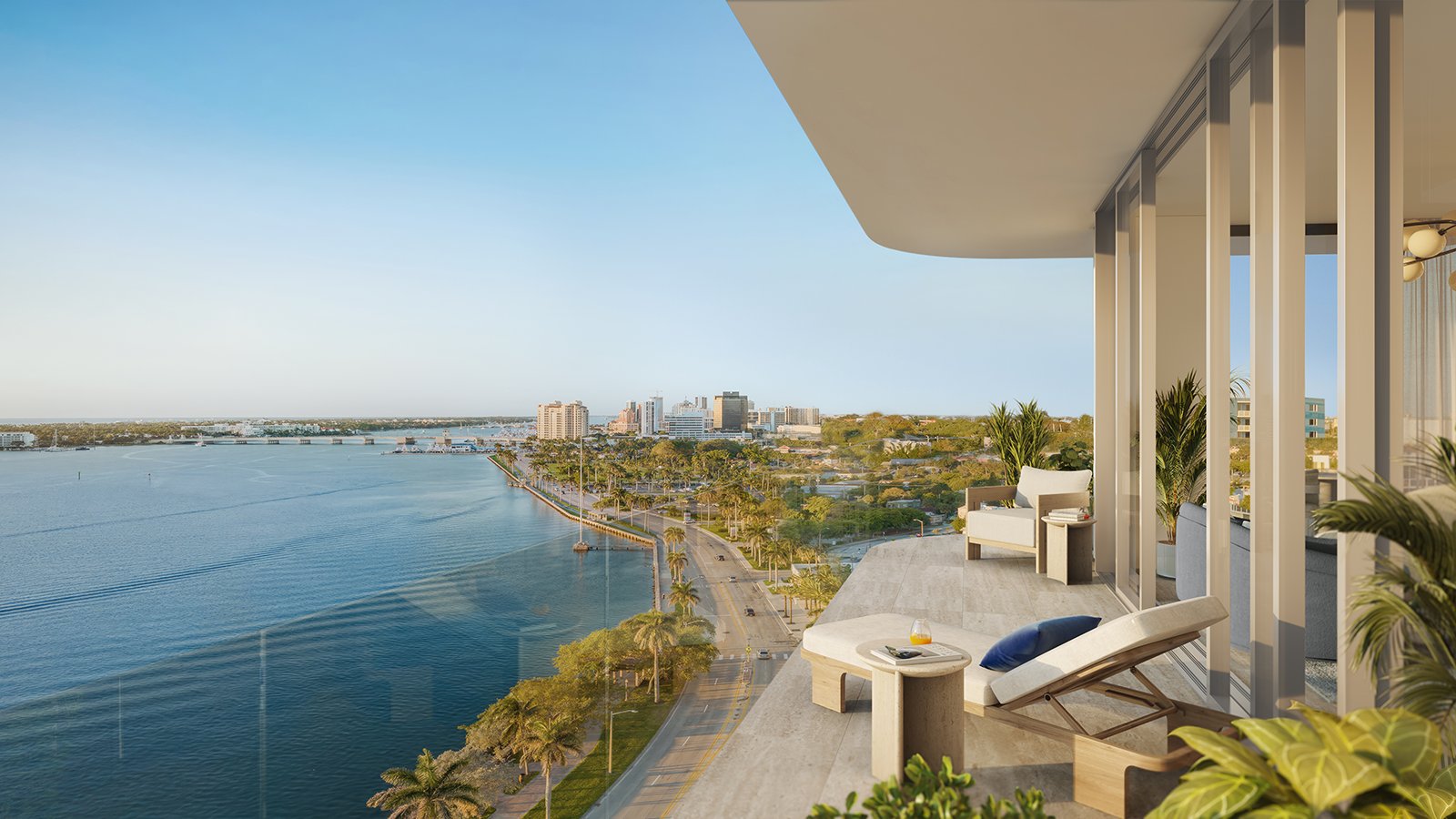
The appeal of The Ritz-Carlton Residences® South Beach is inseparable from its waterfront Miami Beach setting. Yet the same coastal position that defines the ownership experience also makes insurance, wind exposure, flood considerations, and building resilience central to a sophisticated acquisition review.
For buyers assessing Branded Residences, the name above the entrance is only one dimension of value. The less visible questions involve the design of the building envelope, the protection of shared systems, the scope of the association’s insurance, and the costs retained by the individual owner. This is where a Buyer's Guides approach becomes essential: elegant finishes should be evaluated alongside policy language, technical documentation, and post-storm operations.
General Miami Beach insurance estimates cannot replace quotations prepared for the specific residence and building. A buyer should obtain current indications for windstorm, flood, and condominium-unit coverage, then evaluate the proposed limits, deductibles, exclusions, and conditions with qualified insurance and legal advisers.
The association’s master policy and the owner’s policy serve distinct roles. Buyers should identify precisely where one ends and the other begins, particularly for interior improvements, personal property, temporary living expenses, liability, and loss-assessment exposure. The allocation should be verified in the governing documents and current policy materials, not inferred from convention.
Deductibles warrant particular scrutiny. A substantial association deductible, excluded peril, or uninsured casualty loss may create assessment risk if the condominium documents permit costs to be passed through to owners. Review the declaration, insurance certificates, policy summaries, reserve information, and assessment authority together. The objective is not merely to confirm that insurance exists, but to understand how a claim could affect ownership costs.
Wind review should proceed methodically across the building’s protective layers. Request documentation covering impact-resistant glazing, exterior doors, roof assemblies, balconies, façades, and rooftop equipment. These elements shape both physical performance and the practical insurance conversation, but their specifications and condition must be verified for this project.
Design & Architecture due diligence is most valuable when it connects drawings and product information to maintenance responsibility. Buyers should determine who inspects exterior components, who pays for repair or replacement, and whether access to limited common elements could affect timing or cost. Engineering materials can frame those questions, while the declaration should establish the contractual allocation of responsibility.
Comparable waterfront searches may include The Perigon Miami Beach or Shore Club Private Collections Miami Beach. Such alternatives can sharpen a buyer’s checklist, but they should never support assumptions of identical construction, insurance, or operating standards. Each condominium demands its own document review and quotations.
Waterfront due diligence should address the site’s current flood-zone designation, finished-floor elevation, and location of critical building systems. These are points for verification, not details to infer from marketing language or a general neighborhood profile. Buyers should request current, property-specific documentation and ask how drainage, water systems, elevators, and emergency procedures are intended to function during and after severe weather.
Placement matters. The location of electrical, mechanical, life-safety, communications, and water-related infrastructure can influence how quickly a residence becomes usable after an interruption. Backup power should likewise be reviewed by scope, not label. A buyer should establish which common systems it supports, for how long under stated assumptions, and whether private-residence loads are included.
This post-storm habitability analysis is distinct from structural survival. A building may protect its principal structure while still experiencing interrupted elevator service, limited water availability, inaccessible parking, or delayed amenity reopening. The operating plan should define priorities, vendor relationships, communication protocols, and responsibility for restoration.
Buyers should confirm which edition of the Florida Building Code governs the project and whether disclosed resilience measures exceed minimum requirements. Compliance and enhanced performance are separate matters. Any representation concerning code, glazing, flood strategy, structural design, or emergency systems should be matched to appropriate project documentation and reviewed by qualified professionals.
The same discipline applies when considering other coastal towers, such as The Ritz-Carlton Residences® Sunny Isles. A shared hospitality brand or similar Waterfront positioning does not establish equivalent site conditions, code pathways, insurance terms, or building assemblies. Project-specific evidence remains decisive.
The condominium declaration and related operating agreements should define responsibility for shared systems, maintenance, insurance, and casualty restoration. Buyers should read these provisions through the dual lens of control and cost. Who selects contractors after a casualty? What approval thresholds apply? How are deductibles allocated? Can uninsured losses be assessed, and on what basis?
Reserve information and engineering reports provide another layer of insight. They can help a buyer determine whether existing financial planning supports anticipated maintenance and restoration obligations. Insurance certificates and summaries should be reviewed alongside full policy terms when available, as concise descriptions may not disclose every exclusion or sublimit.
A thorough review also considers the individual residence. Interior upgrades, custom millwork, art, furnishings, and other high-value contents may require tailored limits and documentation. The objective is a coordinated coverage structure that reflects both the association’s obligations and the owner’s actual exposure.
Before committing, organize the review into four files: insurance, engineering, governance, and operations. The insurance file should include current quotations, certificates, policy summaries, deductibles, exclusions, and loss-assessment considerations. Engineering should encompass the building envelope, elevations, critical systems, and available technical reports. Governance should address reserves, maintenance duties, casualty restoration, and assessment powers. Operations should cover backup power, water, elevators, drainage, and emergency response.
This framework does not diminish the pleasures of South Beach ownership. It strengthens the decision by bringing hidden obligations into view. For an ultra-premium buyer, resilience is part of luxury because it informs continuity, privacy, financial predictability, and the ability to return comfortably after a disruptive event.
Why are project-specific insurance quotations important? They reflect the specific residence, building, requested limits, and current underwriting terms more accurately than broad Miami Beach estimates.
Does the association master policy cover everything inside a residence? Buyers should not assume so. The boundary between association and owner coverage must be confirmed in the policies and condominium documents.
Which wind-related components should be reviewed? Review impact-resistant glazing, exterior doors, roof assemblies, balconies, façades, and rooftop equipment.
What should a flood review include? Verify the current flood-zone designation, finished-floor elevation, and placement of critical building systems.
Why do insurance deductibles matter to a condominium buyer? Association deductibles or uninsured losses may create assessment exposure when the governing documents allow costs to be passed through to owners.
What should buyers confirm about building standards? Confirm the governing Florida Building Code edition and whether documented resilience features exceed applicable minimum requirements.
Is backup power alone enough to establish post-storm readiness? No. Buyers should verify which systems it serves and also review water, elevators, drainage, and emergency operations.
Which documents deserve priority before closing? Prioritize engineering reports, reserve information, insurance materials, governing documents, deductibles, exclusions, and assessment authority.
Can another waterfront condominium serve as a direct insurance comparison? It can inform the questions, but it cannot replace a property-specific review because terms, systems, and responsibilities may differ.
Who should review the technical and insurance materials? Buyers should engage appropriately qualified legal, insurance, and engineering professionals for advice tailored to the acquisition.
If you'd like a private walkthrough and a curated shortlist, connect with MILLION.
If branded residences are on your mind — as a home or as an allocation — we would be glad to share what we are seeing, privately.
Begin a quiet conversation