A discreet planning guide for Hong Kong sellers moving capital into a Sunny Isles Beach residence. It explains title selection, Florida land-trust privacy, source-of-funds records, remote closing mechanics, and FinCEN’s court-dependent status.
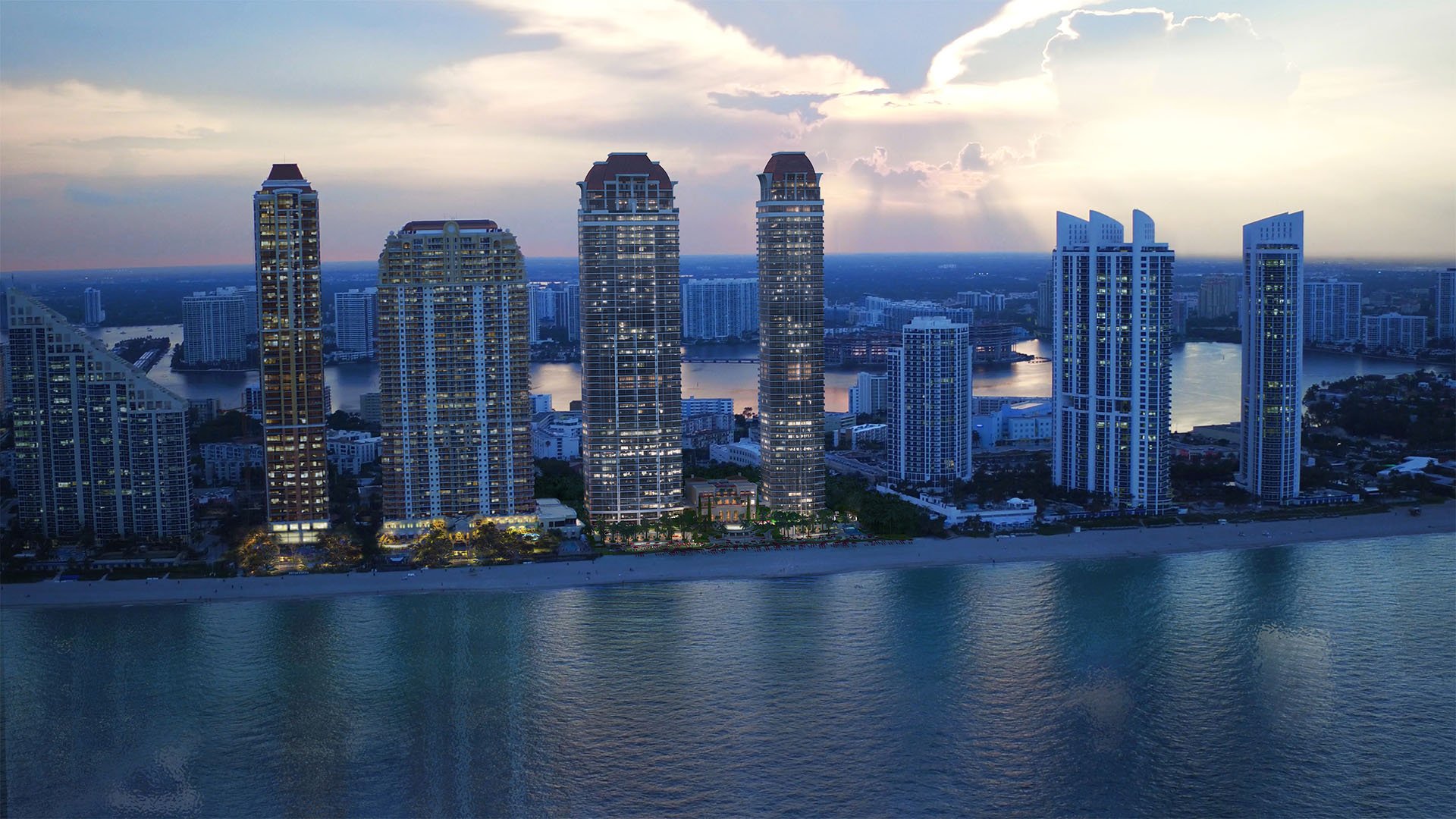
Selling in Hong Kong and buying in Sunny Isles Beach may appear to be a straightforward exchange of one residence for another. In practice, the most consequential decisions often involve the name on the contract, the path of the sale proceeds, and the information visible after closing.
Those decisions deserve attention before a deposit is sent. Personal, trust, and entity ownership each create distinct documentation requirements. The buyer name should remain consistent across the purchase contract, deposit records, authority documents, financing materials, if applicable, and the deed. A late change can require avoidable coordination among counsel, the title company, the bank, and the condominium association.
For buyers comparing oceanfront residences, this preparatory work can proceed alongside property selection. The privacy architecture matters whether the shortlist includes Bentley Residences Sunny Isles, an established condominium, or another waterfront address along Collins Avenue.
In a Florida land trust, the trustee holds legal title while the beneficiary retains the economic benefits and powers established in the private trust agreement. Generally, the trustee, rather than the beneficiary, appears on the recorded deed and property-tax roll. This can reduce the beneficiary’s visibility in public-facing property records.
It is a privacy tool, not a guarantee of anonymity. Banks, title companies, insurers, lenders, condominium associations, and other transaction participants may request a trust certification, evidence of signing authority, or beneficial-owner information. The distinction matters: a land trust may limit what a casual public search reveals while still permitting the private diligence required to complete the acquisition.
Trust planning should therefore begin with precise questions. Who will serve as trustee? What exact trustee or grantee name will be recorded? Which mailing address will appear in deed and tax records? Who has authority to sign the contract and closing documents? These answers should be settled with qualified Florida legal and tax advisers before contract execution-not improvised during the final days before closing.
Deeds and other real-estate instruments recorded in Miami-Dade County are available through its public Official Records system. Its online portal allows users to search recorded documents and review document details. A buyer seeking discretion should assume that the recorded grantee name and related document information will be discoverable after closing.
That makes the deed’s presentation a design decision in its own right. Counsel should review the proposed vesting language and mailing address before the deed is finalized. The objective is not to obscure information that must lawfully be provided, but to avoid placing unnecessary personal details in records designed for public access.
Buyers considering The Estates at Acqualina Sunny Isles should not treat another purchaser’s ownership structure as a template for their own. Every trust agreement, authority chain, and source-of-funds profile requires individual review.
A cross-border closing is smoother when the financial narrative is assembled before the receiving bank or closing team requests it. Retain the Hong Kong sale contract, completion statement, relevant bank statements, wire records, and any currency-conversion documentation. Together, these materials can connect the disposition of the prior property with the funds arriving for the Florida purchase.
Review names and amounts across the file for consistency. If sale proceeds move through more than one account, or if the account holder differs from the Florida buyer named in the contract, raise the issue early with the relevant advisers and transaction participants. The goal is a legible chain of funds and authority, supported by documents already in hand.
This discipline applies equally to an investment acquisition and a second-home purchase. It is particularly useful when evaluating a substantial commitment at St. Regis® Residences Sunny Isles or another ultra-premium tower, where avoidable documentation delays can complicate an otherwise carefully sequenced closing.
FinCEN’s Residential Real Estate Rule was designed to cover certain non-financed transfers of residential real estate to qualifying legal entities or trusts. Under the planned framework, a designated real-estate professional would report information concerning the property, transfer, transferee entity or trust, beneficial owners, transferor, and payment method.
That information was intended for a secure Bank Secrecy Act database, not county land records. Real Estate Reports were designed to be unavailable to the general public and exempt from disclosure under the Freedom of Information Act. Public-record privacy and federal reporting therefore address different audiences and should not be treated as the same issue.
The timing has changed materially. The reporting requirements were postponed until March 1, 2026, and a federal court vacated the rule in March 2026. As of August 28, 2026, while the court order remains in force, reporting persons need not file Real Estate Reports and face no liability for failing to file.
That posture is conditional. The purchase team should verify the rule’s status immediately before closing rather than rely on an earlier memorandum, a contract-date assumption, or a prior transaction. If reporting becomes operative, reports are intended to be filed electronically through FinCEN’s BSA E-Filing System.
A buyer does not necessarily need to be in Miami-Dade for every closing step. International transactions can use remote procedures that may include consular or apostille-qualified notarization, couriered originals, and coordinated local recording. The exact sequence should be established early enough to accommodate document execution and delivery.
Create a closing calendar that assigns responsibility for trust documents, signing authority, notarization, original documents, incoming wires, final deed review, and recording. If the residence under consideration is The Ritz-Carlton Residences® Sunny Isles, the same ownership and privacy planning should be integrated with the building’s purchaser documentation rather than treated as a separate workstream.
The refined approach is neither secrecy nor excessive complexity. It is coordinated governance: choose the ownership structure early, understand the public record it will create, preserve the Hong Kong sale trail, satisfy legitimate private diligence, and refresh the FinCEN analysis near closing.
Sunny Isles Beach offers a compelling setting for global second-home ownership, but discretion depends on details that rarely appear in a property brochure. When title, funds, authority, and timing are aligned, the acquisition can proceed with the clarity appropriate to the asset.
For discreet guidance on selecting and acquiring a Sunny Isles Beach residence, connect with MILLION.
If branded residences are on your mind — as a home or as an allocation — we would be glad to share what we are seeing, privately.
Begin a quiet conversationYes. Early vesting decisions help keep the buyer name, deposits, authority documents, financing materials, and deed consistent.
Generally, the trustee holds legal title and appears on the recorded deed, while the beneficiary’s rights are defined in the private trust agreement.
No. It may reduce public visibility, but transaction participants can still request trust certifications, signing authority, and beneficial-owner information.
Yes. Miami-Dade recorded real-estate instruments are available through a public Official Records system with online search access.
Review the exact trustee or grantee name, vesting language, and mailing address expected to appear in recorded and tax records.
Keep the sale contract, completion statement, relevant bank statements, wire records, and currency-conversion documentation.
Yes. A federal court vacated the rule in March 2026, disrupting the reporting regime that had been scheduled to begin that month.
As of August 28, 2026, reporting persons need not file while the court order remains in force and face no liability for not filing.
No. The planned reports would reside in a secure federal database, remain unavailable to the general public, and be exempt from public-information disclosure.
Remote procedures may include consular or apostille-qualified notarization, couriered originals, and coordinated Miami-Dade recording, subject to transaction-specific requirements.