A buyer-focused framework for evaluating the recurring and variable costs of ownership at Mr. C Tigertail, from association insurance and reserves to luxury service labor and seasonal-use charges.
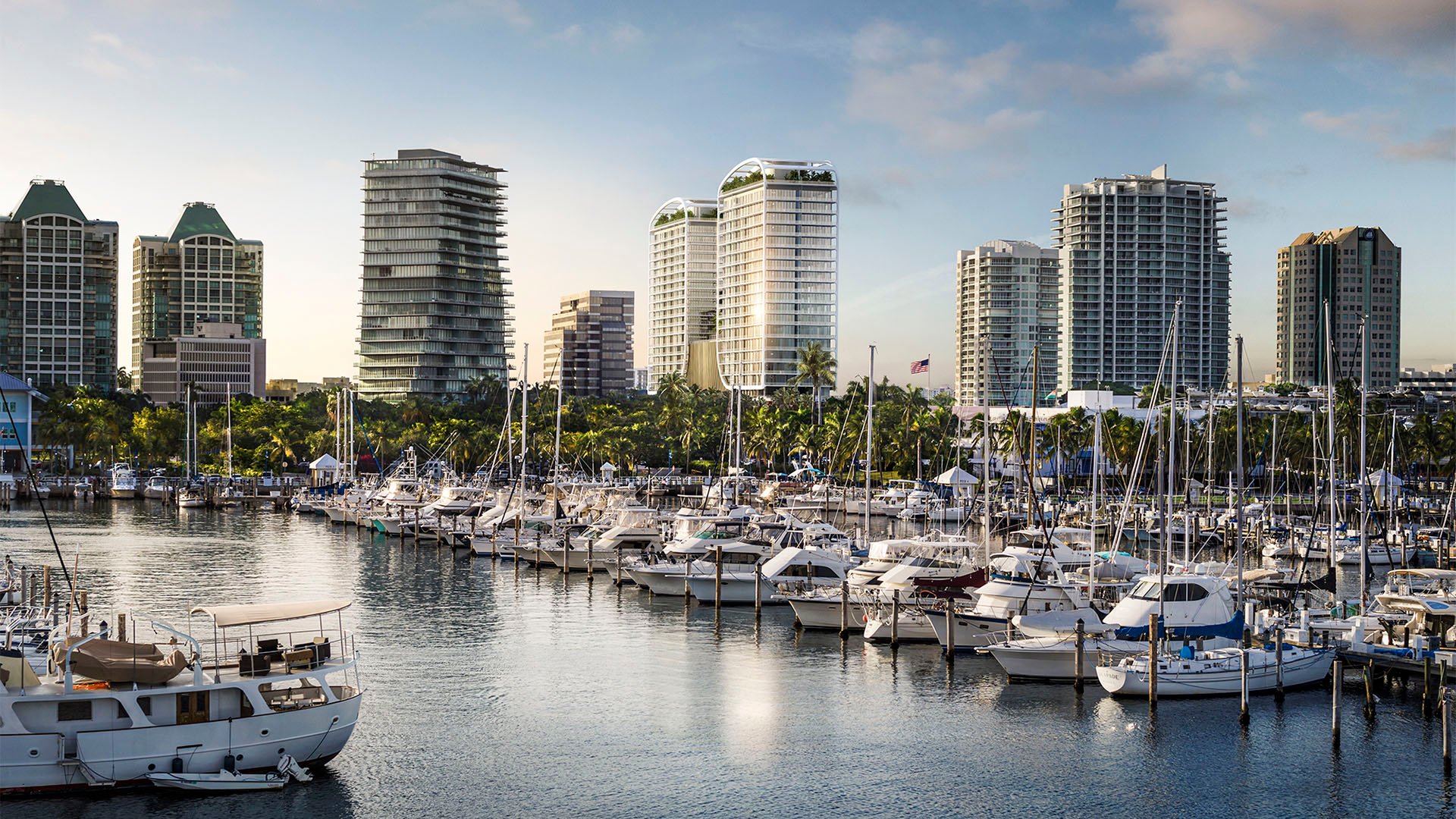
At 2678 Tigertail Avenue, Mr. C Tigertail Coconut Grove occupies a distinctive position in Coconut Grove’s luxury market. Built in 2024, the 136-residence condominium tower is relatively new, but that does not make annual ownership costs incidental. For a waterfront-oriented buyer, the more useful question is how the building’s insurance, reserves, maintenance, and service culture translate into a durable annual budget.
This is especially important in an amenity-rich residence. The monthly assessment is not simply a fee for common areas; it generally combines operations, association insurance, staffing, ongoing upkeep, and reserve contributions. Taxes, residence-level insurance, utilities, and usage-based services should be modeled separately.
A disciplined investment analysis begins with the recurring association assessment, then adds expenses that may fall outside it. Buyers should request the current association budget, insurance summary, reserve disclosures, fee schedule, and governing documents rather than extrapolate from marketing materials or neighboring buildings.
Purchase pricing and operating costs also require separate treatment. Historical 2021 launch pricing began at $538,000 for one-bedroom residences, $987,000 for two-bedroom residences, and $2.1 million for three-bedroom residences. Those figures are not evidence of current value. An average asking price near $1,800 per square foot likewise says little about the complete annual cost of ownership.
The same underwriting discipline applies when comparing service-led Grove options such as Four Seasons Residences Coconut Grove. Brand, architecture, and purchase price shape the acquisition decision; budgets and fee schedules reveal the operating commitment.
South Florida high-rise budgets are heavily influenced by association insurance, staffing, and stronger reserve funding following post-Surfside safety reforms. At Mr. C Tigertail, exact current association premiums-and the portion allocated to each residence-are not publicly established. Buyers should therefore review the current policy summary and budget line items directly.
The essential distinction is between protection purchased by the association and coverage maintained by the individual owner. Counsel and an insurance adviser can clarify what the master program covers, along with its deductibles and exclusions, and identify which residence-level risks remain with the owner. That review turns a broad monthly figure into an intelligible risk profile.
A reserve balance alone cannot establish financial strength. A more rigorous review considers planned capital projects, annual contribution levels, expected timing, and any potential funding gap. Condominium reserves generally address capital expenditures and deferred maintenance, including roof replacement, building painting, and pavement resurfacing.
Although a recently completed tower may appear to have limited near-term replacement needs, that assumption should not substitute for documentation. Buyers should compare the reserve schedule with the physical systems and amenities the association must eventually renew. This is equally relevant at established luxury communities such as Park Grove Coconut Grove, where the ownership proposition extends beyond the private residence.
A well-funded plan may elevate current assessments while reducing reliance on future special assessments. Conversely, a lower contribution can make today’s fee appear attractive without eliminating tomorrow’s obligation.
Pools, spas, fitness areas, wellness programming, valet, and concierge operations create recurring demands for maintenance, labor, insurance, and reserves. In a luxury building, these costs are not peripheral. They sustain the experience owners are purchasing and should be evaluated against actual service standards.
This is why comparisons based solely on cost per square foot can mislead. A boutique property, full-service tower, and private-island residence may offer materially different staffing models. Buyers considering Vita at Grove Isle alongside Tigertail should compare service scope, included benefits, and variable charges-not simply headline assessments.
For buyer’s guides, the practical test is straightforward: identify what the association maintains, what the residence owner maintains, and which conveniences incur an additional charge.
A second-home owner may spend fewer nights in residence, but concierge and valet coverage remain recurring labor costs embedded in the association budget. Limited personal occupancy does not necessarily produce a proportional reduction in assessments because the building must maintain service readiness throughout the year.
Seasonal use can also generate variable expenses. Mr. C Coconut Grove access-related rates are $20 for validated use, $26 for visitors, and $48 for overnight use. These charges demonstrate why guest patterns and overnight activity belong in the annual model alongside the regular assessment.
Before closing, owners should ask whether arrival preparation, vendor access, deliveries, housekeeping, valet, and guest access are included, optional, or billed per use. The answers can matter significantly for a residence used intensively during peak months and lightly throughout the rest of the year.
Model recurring assessments, association and residence-level insurance, property taxes, utilities, reserve exposure, and optional services as separate line items. Then create a seasonal-use allowance for guests, overnight access, housekeeping, deliveries, and other conveniences that may vary with occupancy.
Do not treat a single listing-page fee as the complete answer. Current documents should establish the base case, while a reasonable contingency can account for changes in insurance, labor, maintenance, or reserve contributions. This approach preserves the pleasure of turnkey ownership without obscuring its operating architecture.
What does the monthly condominium assessment generally cover? It generally combines common-element operations, association services, insurance, staffing, and reserve funding.
Are Mr. C Tigertail’s current insurance premiums publicly established? No exact current association premium is publicly established, so buyers should review the latest budget and insurance summary.
Is the reserve balance enough to judge financial strength? No. Planned projects, contribution levels, timing, and potential funding gaps provide essential context.
Does a newer building eliminate reserve concerns? No. Every building has systems and finishes that eventually require maintenance, repair, and replacement.
Why do amenities increase carrying costs? Pools, wellness areas, valet, concierge, and related services require labor, upkeep, insurance, and future capital funding.
Do seasonal owners pay less for building staff? Not necessarily. Core concierge and valet coverage is generally funded through the association budget throughout the year.
What access-related charges should owners note? The rates are $20 for validated use, $26 for visitors, and $48 for overnight use.
Should historical launch prices guide a carrying-cost estimate? No. Acquisition pricing and annual operating expenses are distinct parts of the ownership analysis.
Which documents should a buyer request? Request the current budget, reserve disclosures, insurance summary, fee schedule, and governing documents.
How should optional services be budgeted? Estimate them separately using expected occupancy, guest activity, deliveries, housekeeping, and other seasonal patterns.
When you're ready to tour or underwrite the options, connect with MILLION.
If branded residences are on your mind — as a home or as an allocation — we would be glad to share what we are seeing, privately.
Begin a quiet conversation