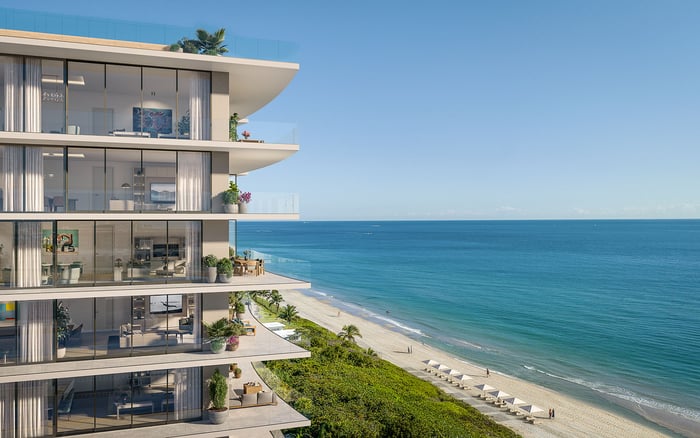
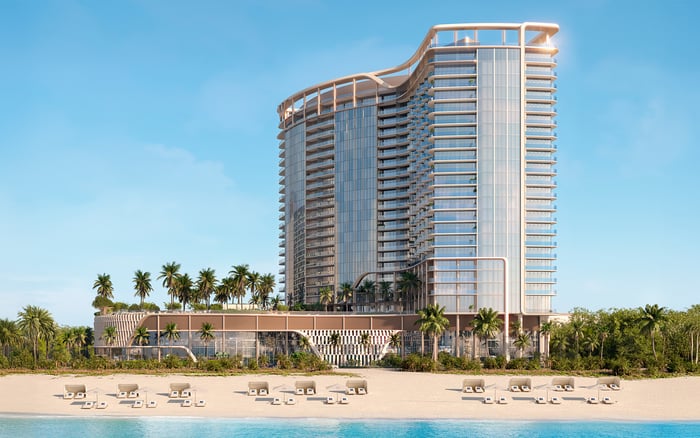
Seasonal buyers considering Casamar should verify how governing documents and current operating rules address waterfront access, guests, staffing, credentials, vendors, tenants, parking, and shared amenities.
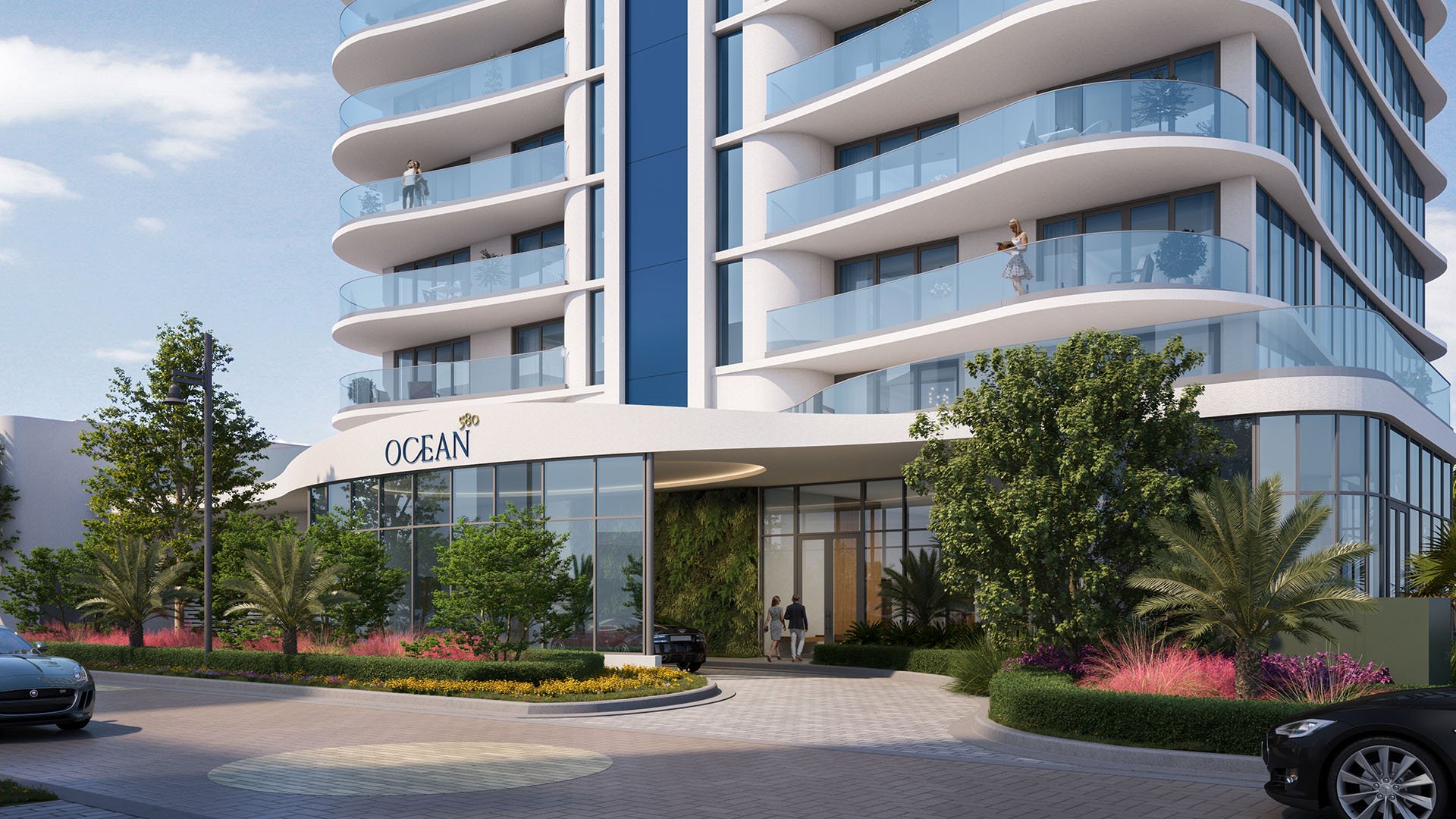
Buyers considering Casamar should not treat general waterfront language as a substitute for the governing documents. The practical questions are what access is granted, where it applies, who may use it, and which rules control daily use.
Ask counsel to identify any permitted route, eligible users, operating restrictions, and separate amenity policies. The purchase contract, declaration, bylaws, current rules, and related disclosures should be reviewed together rather than in isolation.
Buyers comparing Casamar with The Ritz-Carlton Residences® Pompano Beach should conduct this review separately for each property. A nearby location or similar marketing description does not establish identical rights or procedures.
Second-home use often involves owners, family members, guests, household employees, property managers, delivery teams, and service vendors. Request written information about staffing hours, after-hours entry, guest limits, credential policies, and any resident-presence requirements.
Determine who controls entry when the primary desk is unattended. Ask whether credentials can be issued or managed remotely, how replacements are handled, and what procedures apply to a late arrival, an early contractor, or a vendor visiting while the owner is away.
An after-hours escalation process also matters. Buyers evaluating Armani Casa Residences Pompano Beach can apply the same diligence framework without assuming that its procedures match those at Casamar.
Access language does not necessarily establish identical privileges for every occupant. Determine how the documents address owners, family members, invited guests, tenants, tenant guests, household staff, and vendors. Ask whether advance registration or owner presence is required for any category.
If the residence may be leased, review rental provisions alongside guest, parking, access, and amenity rules. Confirm whether an approved tenant may register guests, obtain credentials, authorize vendors, or use shared facilities while the owner is absent.
These questions should be answered from Casamar’s current documents and written procedures. They should not be inferred from general condominium practices or policies at another property.
Ask whether shared amenities operate by reservation, first-come use, time limits, or another system. Confirm applicable hours, capacity controls, weather procedures, furniture rules, food and beverage restrictions, and enforcement practices.
If a dock, lift, mooring, or other marine feature is represented during the sales process, request written confirmation of its existence, eligibility rules, operating limits, and any approvals required for use. Do not assume that a general waterfront description includes a specific marine privilege.
A comparison with W Pompano Beach Hotel & Residences may help buyers organize questions, but only the documents and written procedures for Casamar can define the arrangement being evaluated.
Before closing, request the declaration, bylaws, current rules, amenity policies, staffing information, guest-registration process, vendor-entry procedures, parking rules, and forms governing tenants or extended absences. Ask counsel to compare those materials with the purchase contract and every access or service representation material to the decision.
Resolve inconsistencies in writing. Determine who may amend operating rules, how owners receive notice, and whether credentials or amenity use involve separate procedures or charges. The goal is to understand how the residence would function when the owner is present, traveling, hosting, or leasing.
Does waterfront access automatically cover guests? No. Buyers should verify eligible guest categories and any owner-presence or advance-registration requirements.
Should tenants be assumed to receive the owner’s privileges? No. Tenant and tenant-guest rights should be confirmed in the governing documents and current rules.
What staffing information should a seasonal buyer request? Request written hours, after-hours contacts, entry procedures, and the process for resolving credential problems.
Can an owner authorize vendors while away? That depends on the applicable procedures. Ask about remote authorization, permitted work periods, insurance documentation, and vendor credentials.
Are shared waterfront amenities necessarily reservable? No. The applicable documents should identify whether use is reserved, first-come, time-limited, or governed by another system.
How should a buyer verify the boundaries of access? Ask counsel to review the documents defining any permitted route, access area, user classes, and limitations.
Could amenity procedures change during peak season? Buyers should ask whether seasonal hours, capacity controls, closures, or other operating changes may apply.
Do dock, lift, or mooring rights automatically follow ownership? No such right should be assumed. Any represented marine privilege should be verified through the applicable documents and approvals.
Which documents matter most before closing? Review the declaration, bylaws, current rules, amenity policies, staffing information, and guest, tenant, parking, and vendor procedures.
Why should access representations be documented? A written record allows the buyer and counsel to compare sales representations with the documents and procedures governing actual use.
For a confidential assessment and a building-by-building shortlist, connect with MILLION.
If branded residences are on your mind — as a home or as an allocation — we would be glad to share what we are seeing, privately.
Begin a quiet conversation