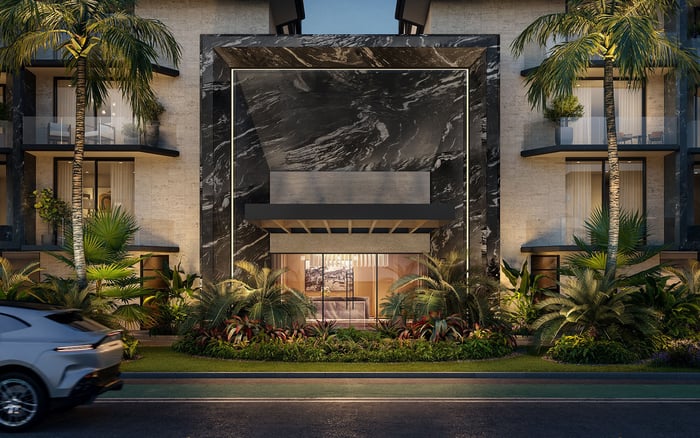
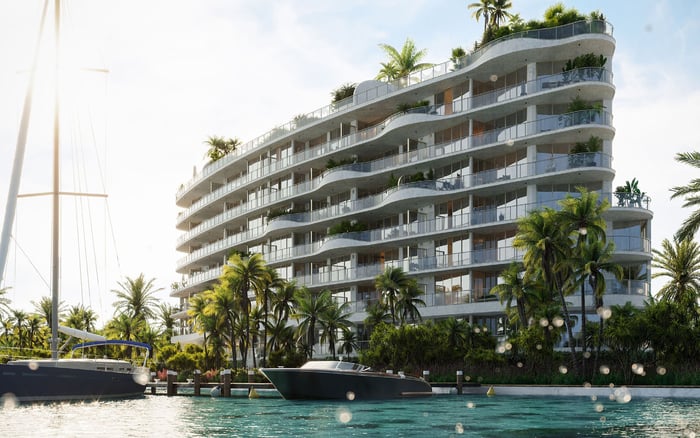
At Onda Bay Harbor, a water view should be evaluated through exposure, glare, privacy, terrace usability and the overall experience presented to future buyers.
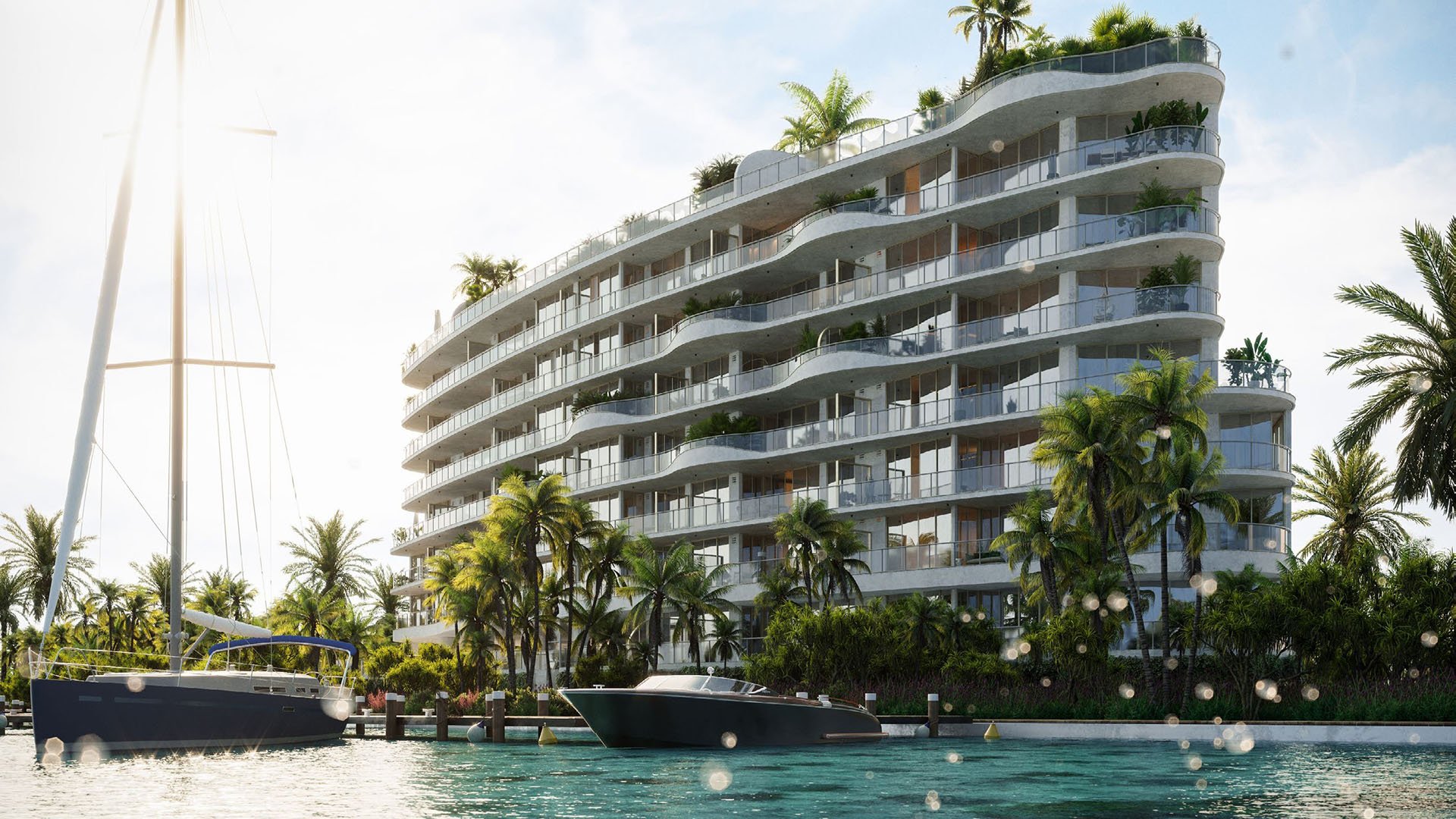
At Onda Bay Harbor, buyers should look beyond the simple promise of a water view. The daily experience can depend on the breadth of the sightline, the direction of natural light, neighboring terraces, room placement and the usability of outdoor space.
Two residences within the same waterfront property can feel very different. Elevation may matter, but it should be considered alongside lateral exposure, potential obstructions and the relationship between the glass, interior layout and terrace.
The first question is not merely whether water is visible, but how much of it fills the visual field and which rooms capture it. A broad view from the principal living area may be more meaningful than a narrow glimpse available only from one position.
Buyers should assess the view from the living room, kitchen, bedrooms and terrace separately. It is useful to stand, sit and move through each space because the sightline at seated eye level can differ from the impression created near the glass.
The strongest exposure is not automatically the one from the highest floor. A lower residence with a balanced, open composition may feel more engaging than a higher home with an angled or partially interrupted view.
Water and extensive glazing can amplify brightness. Depending on orientation and time of day, reflected light may affect television viewing, computer use, dining or general comfort.
A single showing cannot reveal every lighting condition. A second visit at a different hour can help a buyer observe direct sun, reflections and the role of existing window treatments. Terrace overhangs, room depth and furniture placement should be considered as part of the same analysis.
Window coverings may soften brightness, but using them can reduce the visual connection that makes a waterfront residence appealing. The goal is to determine whether light can be managed without routinely sacrificing the view.
Privacy should be evaluated from inside the residence and from the terrace. Buyers can map opposing windows, adjacent outdoor areas and sightlines from nearby properties. Conditions after dark also deserve attention because illuminated interiors may be more visible through large expanses of glass.
The floor plan can influence how exposed a residence feels. A direct view into a bedroom or dining area may be more consequential than a similar sightline toward a circulation space. Landscaping, structural elements and terrace configuration may provide visual separation, but their effect should be confirmed in person.
A future buyer is likely to assess the same combination of view quality, privacy, light and outdoor comfort. For that reason, the resale narrative should not rest on a waterfront label alone.
A compelling view that works from multiple rooms and remains comfortable throughout the day may be easier to communicate than one that requires careful positioning or frequent use of shades. Layout, condition and broader market conditions will also affect resale, so no single feature should be treated as an isolated guarantee of value.
Comparable residences are most useful when they share meaningful characteristics. Buyers should examine differences in floor position, plan, terrace relationship, interior condition and sightline quality rather than relying only on building-level descriptions.
Other Bay Harbor Islands projects, including La Maré Bay Harbor Islands and Origin Bay Harbor Islands, can help buyers refine their priorities. The purpose is not to compare names alone, but to compare how each residence handles light, water exposure, privacy and outdoor living.
A consistent viewing method makes those comparisons more useful. The same rooms, seated positions and times of day should be examined whenever possible, with attention to both immediate impressions and practical daily use.
Begin in each principal room and identify the dominant sightline. Check whether the view remains visible from likely furniture positions, then note direct views into the residence from surrounding buildings or terraces.
Outside, assess shade, wind, furniture placement and separation from neighboring outdoor areas. Indoors, inspect reflections on screens and polished surfaces, and consider whether window coverings would be needed during the hours when the room is most likely to be used.
Finally, compare the emotional impact of the view with its practical limitations. A residence should photograph well, but it should also remain comfortable, private and enjoyable during ordinary use.
Does a higher floor always provide the best water view? No. View breadth, obstructions, room placement and privacy can matter as much as elevation.
Why should a buyer visit at different times of day? Changing sun angles can reveal glare, shade and interior brightness that may not be evident during one showing.
How can glare affect daily living? Reflected light may influence screen use, dining, work areas and general visual comfort.
Can window treatments solve glare concerns? They may reduce brightness, but they can also limit the view, so buyers should consider how often they would be needed.
How should privacy be evaluated? Review sightlines from neighboring windows and terraces, both during daylight and after dark.
Which rooms matter most when assessing exposure? Principal living spaces and bedrooms deserve close attention, although the view should be tested throughout the residence.
Why is seated eye level important? The everyday view from a sofa, dining chair or bed can differ from the impression experienced while standing near the glass.
What should buyers inspect on the terrace? Consider shade, wind, furniture placement, neighboring sightlines and the connection to interior rooms.
Can a water view guarantee stronger resale value? No. View quality may support appeal, but layout, condition, privacy and market conditions also influence resale.
How should comparable residences be assessed? Compare similar layouts and conditions while accounting for floor position, exposure, terrace usability and sightline quality.
For a discreet conversation and a curated building-by-building shortlist, connect with MILLION.
If branded residences are on your mind — as a home or as an allocation — we would be glad to share what we are seeing, privately.
Begin a quiet conversation