A buyer-focused look at Waldorf Astoria’s planned Downtown Miami tower, from its stacked-cube architecture and finished residences to private amenities, hotel privileges and ownership considerations.
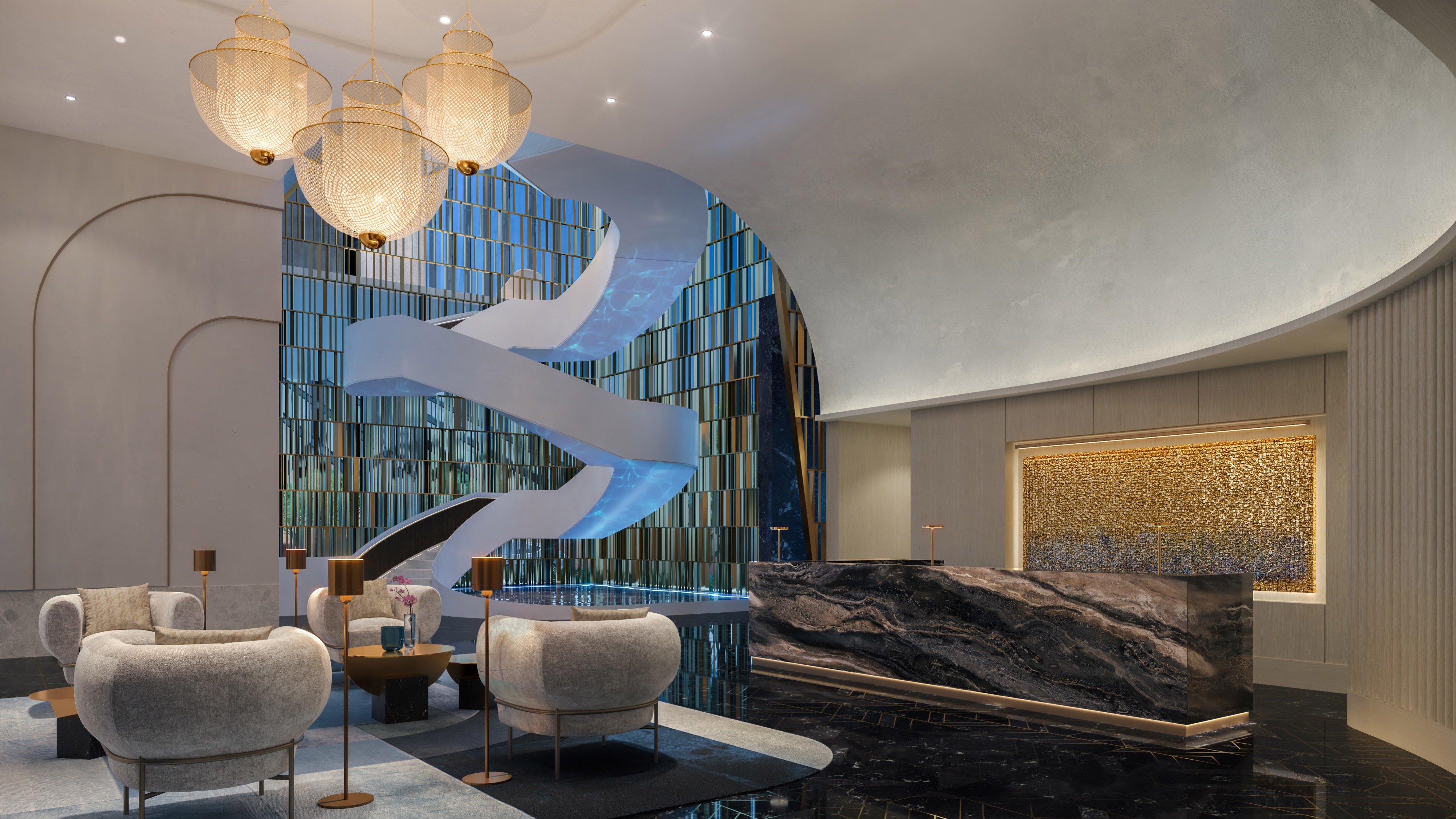
At Waldorf Astoria Residences Downtown Miami, the proposition extends beyond a recognizable name above the entrance. The planned mixed-use tower combines private condominium ownership with a Waldorf Astoria hotel, bringing residential privacy and hospitality services into one development. For buyers, the appeal rests on how those two worlds are intended to meet-and where they remain separate.
Plans call for 360 private residences and a 205-room hotel. PMG is the developer, and completion is targeted for 2028, not guaranteed. That distinction matters: purchasers are evaluating a future home and its planned operations, rather than a completed building whose service routines they can experience firsthand.
The most useful approach is to look beyond the skyline profile. Arrival arrangements, residence specifications, amenity access and contractual obligations will determine how comfortably the address fits an owner's daily life.
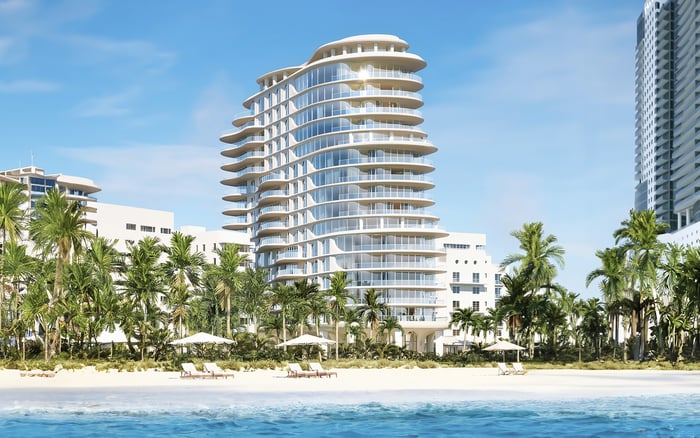
Designed to reach approximately 1,049 feet across 100 stories, the tower is conceived as a composition of stacked glass cubes. The first three cubes are allocated to the hotel, with cubes four through nine assigned to private residences. That arrangement helps explain the building's organization, but it does not replace a review of the floor plan and access arrangements for a particular home.
The project has been positioned as Florida's first planned supertall and, upon completion, the tallest residential building south of New York City. Both distinctions remain prospective. A purchasing decision is better grounded in the residence's orientation, layout and relationship to shared spaces than in a future height record.
For purchasers also considering Aston Martin Residences Downtown Miami, the useful comparison goes beyond architectural recognition. Apply the same questions to both addresses: how does the plan support privacy, entertaining and the owner's preferred pattern of use?
Marketed configurations include junior suites and one-, two-, three- and four-bedroom homes. That range makes the individual floor plan especially important. A residence intended for occasional visits calls for a different assessment than a primary home requiring everyday storage, guest accommodation and space to work.
Homes are marketed as fully finished, not fully furnished. Buyers should request a written delivery specification identifying what is included, what remains an owner expense and whether the agreement permits any selections or substitutions.
Advertised features include floor-to-ceiling windows, contemporary lighting, built-out closets and in-unit washers and dryers. Kitchens are marketed with custom Italian cabinetry and Sub-Zero and Wolf appliances. These specifications outline the intended interiors, but the contractual schedule should govern expectations for the delivered home.
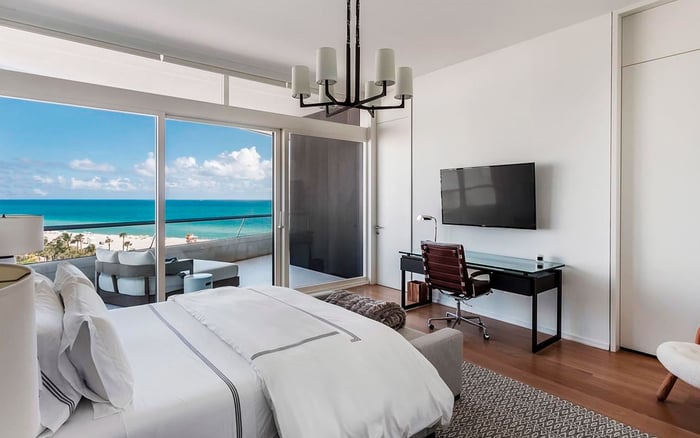
Views are marketed toward Downtown Miami, Miami Beach and the Atlantic Ocean. Those descriptions do not establish a specific residence's sightlines. Review orientation, floor elevation and the position of neighboring structures before assigning value to a view premium.
Planned residential arrival features include a private entrance, private porte cochère and 24-hour valet parking. Marketed staffing includes 24-hour doormen and concierge support. Together, these elements describe a service-oriented approach to ownership, but buyers should establish which services are included and which carry separate charges.
A custom residential app is planned to connect owners with 24-hour concierge services. Smart-home technology is also marketed for integrated control of audio, video and lighting. Ask what equipment is delivered, which functions require subscriptions and who will support the systems after closing.
When considering Baccarat Residences Brickell alongside Waldorf Astoria, keep the comparison practical: written service commitments, access rules and recurring costs deserve as much attention as brand identity. A familiar name introduces the offering; it does not replace an understanding of its terms.
A private residential pool deck overlooking Biscayne Bay is planned separately from the property's resort-style pool. That distinction matters for buyers seeking a quieter residential environment within a hotel-connected development. Confirm access eligibility, guest policies and operating arrangements rather than assuming every amenity follows the same rules.
The resort-style pool is marketed with an outdoor café and private cabanas. Planned wellness facilities include a signature spa and a fitness center with private training studios. The central ownership questions concern availability and cost: which facilities are included, which treatments or reservations carry separate charges, and what privileges extend to guests?
Dining and entertaining plans include a signature restaurant, all-day dining brasserie, private bar and wine-tasting room. Marketed hotel benefits also include house-account signing privileges and preferred access to the spa and other hotel venues. Preferred access does not mean complimentary access, and signing privileges should not be mistaken for included spending.
An extensive amenity program is most valuable when it matches how an owner actually lives. Someone who entertains frequently may place greater weight on dining and guest arrangements; an occasional resident may focus on arrival services and concierge responsiveness.
Buyers exploring Cipriani Residences Brickell can use the same framework without assuming the two projects offer identical benefits. Compare the governing terms behind each offering, not merely the marketing language. Ask which services would be used weekly, which would be occasional indulgences and which would add expense without meaningful personal value.
Before committing, obtain current pricing, available inventory, deposit requirements and estimated closing costs directly from the authorized sales team. Review assessments, reserves, parking charges and the anticipated cost of ownership alongside the purchase price. None should be inferred from the amenity program or brand affiliation.
Rental restrictions also require document-level review. The presence of a hotel does not establish a residence's rental permissions or any entitlement to participate in hotel operations. Have Florida real-estate counsel examine the purchase agreement, condominium documents, hotel-benefit terms and delivery-delay provisions.
Waldorf Astoria's planned combination of architectural scale, finished interiors and hospitality access merits a careful, residence-specific assessment. The strongest purchase decision will connect those ambitions to enforceable terms and a home suited to the buyer's actual priorities.
For a discreet conversation about branded high-rise ownership in South Florida, connect with MILLION.
If branded residences are on your mind — as a home or as an allocation — we would be glad to share what we are seeing, privately.
Begin a quiet conversationIt is a planned mixed-use hotel and condominium tower in Downtown Miami, combining private residences with a Waldorf Astoria hotel.
The development is planned to contain 360 private residences and a 205-room hotel.
The design calls for approximately 1,049 feet across 100 stories. These are planned dimensions, not a statement of completed height.
PMG is the developer, and completion is targeted for 2028. Buyers should review contractual delivery terms rather than treating the target as guaranteed.
Marketed options include junior suites and one-, two-, three- and four-bedroom homes. Current availability should be confirmed with the authorized sales team.
Homes are marketed as fully finished, which does not mean fully furnished. Buyers should review the written delivery specifications for included items.
Kitchens are marketed with custom Italian cabinetry and Sub-Zero and Wolf appliances. The contractual specifications should be reviewed before purchase.
Yes, a private residential pool deck overlooking Biscayne Bay is planned separately from the resort-style pool.
Marketed benefits include house-account signing privileges and preferred access to the spa and other hotel venues. These do not establish that services or purchases are complimentary.
No rental permission should be inferred from the presence of a hotel. Buyers should have counsel verify rental restrictions in the governing documents.