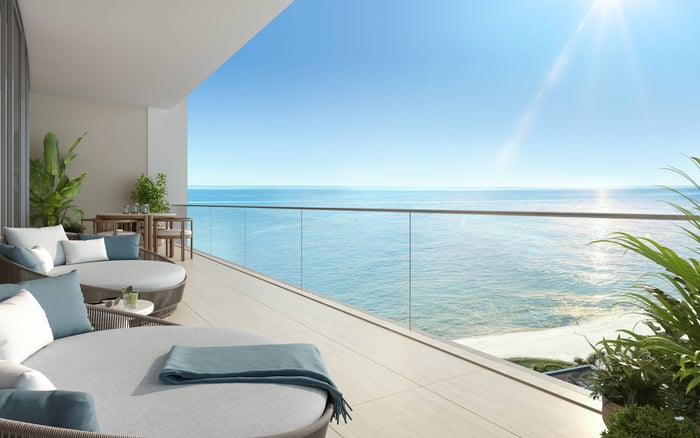
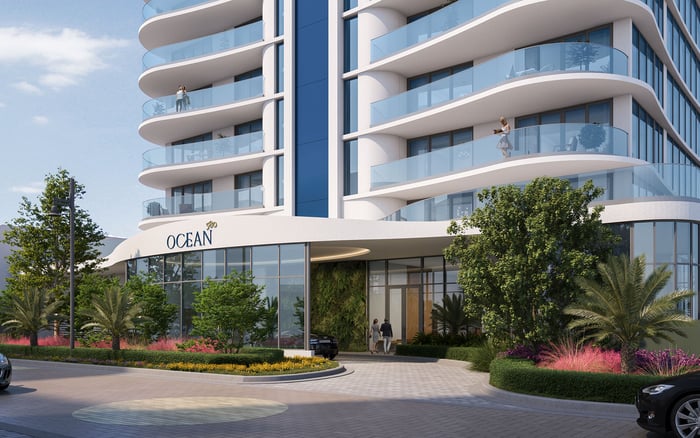
W Pompano Beach pairs private residences with individually owned condo-hotel suites. Understanding the distinction requires a close look at owner-use rights, rental agreements, association costs, and the contractual role of the W brand.
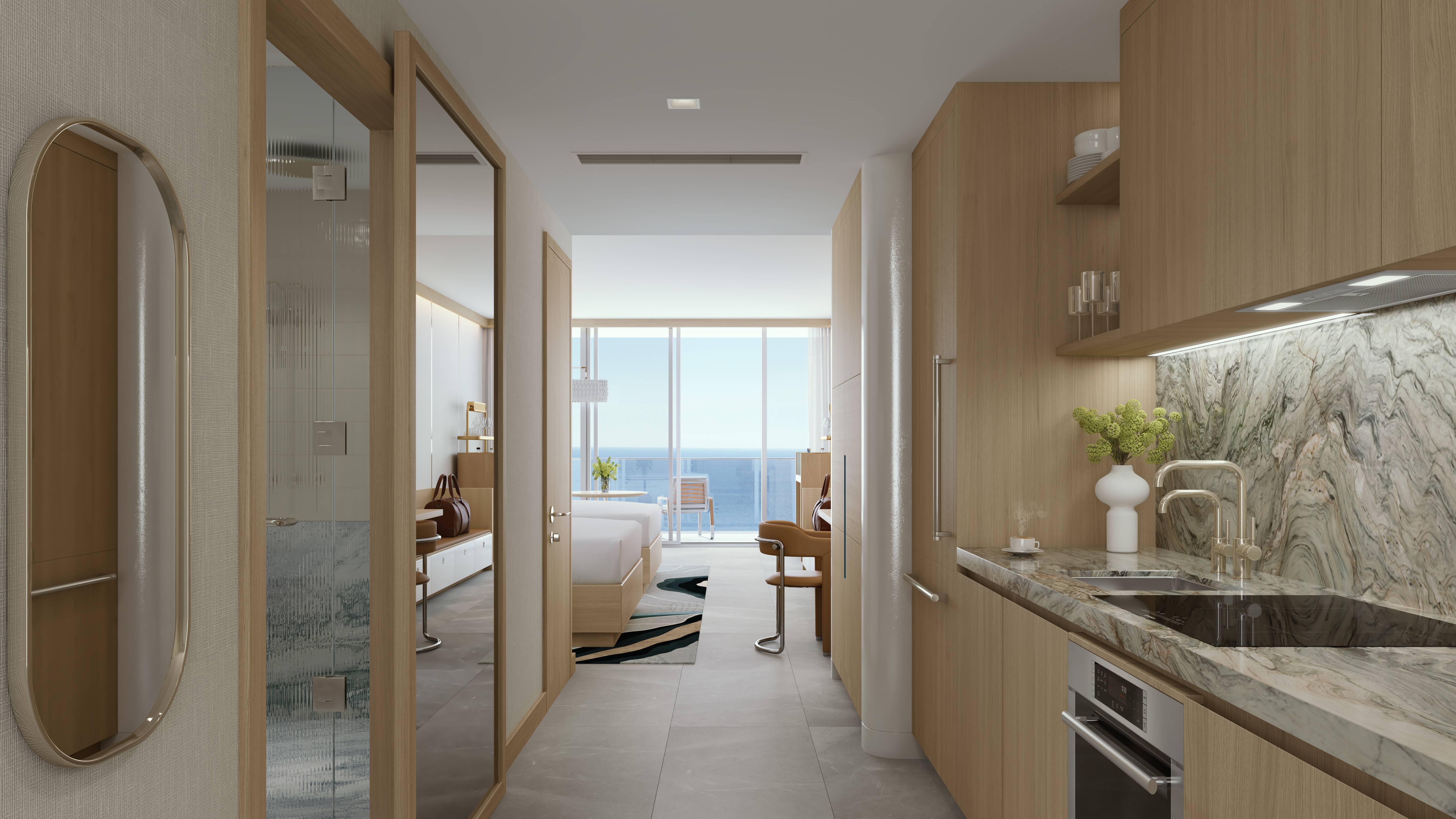
At W Pompano Beach Hotel & Residences, the most consequential choice is not a floor plan or a view. It is whether to purchase a private residential condominium or an individually owned suite intended to operate within a hotel setting. A private condominium with hospitality services is not the same product as a condominium unit within hotel inventory.
Planned at 20 North Ocean Boulevard near the beachfront and pier, W Pompano Beach Hotel & Residences brings both propositions under one identity. The distinction matters: purchase documents, occupancy provisions, operating expenses, and rental arrangements require separate examination. A shared brand does not establish identical ownership rights.
For a buyer accustomed to evaluating luxury primarily through architecture and service, this calls for a different starting point: establish what is being purchased, then assess how that ownership will support everyday life.
The private residences are positioned for full-time or seasonal living. One planned configuration includes 74 residences with two to four bedrooms, including three penthouses with private rooftop pools. These are distinct from the project's furnished condo-hotel suites, not simply larger versions of the same hotel product.
The residential count requires clarification: another configuration identifies 77 residential units rather than 74. Both configurations identify 296 condo-hotel suites. Buyers should reconcile the residential count against the applicable final offering documents rather than treat either figure as definitive.
Buyers also considering The Ritz-Carlton Residences® Pompano Beach can apply the same discipline: examine each property's occupancy rights, included services, and governing documents. A familiar hospitality name is a starting point for questions, not a substitute for answers.
The 296 furnished suites are offered as condo-hotel ownership opportunities. They are individually owned units, not accommodation inventory owned entirely by Marriott. Planned layouts include studios, one-bedroom units, and two-bedroom-plus-den configurations, subject to the final offering.
The proposition combines personal stays with potential hotel-managed rentals. The proposed arrangement provides for management by Marriott International under the W Hotels brand, with a rental program handling reservations, marketing, housekeeping, and guest services. That structure may appeal to owners seeking less direct involvement in guest operations.
A managed rental offering, however, does not establish unrestricted personal use or independent leasing rights. Before purchasing, determine whether participation is mandatory, whether owners may self-rent, and whether advance reservations, owner-use limits, or blackout dates apply. The governing agreements must answer these questions; the availability of a rental program does not.
A private residence and a hotel suite should therefore be evaluated as different products, even when both suit a seasonal buyer.
The proposed rental arrangement divides revenue between the suite owner and operator under an agreement. The exact split and applicable deductions require confirmation in the purchase and rental-program documents. Without those terms, a projected rental receipt says little about the owner's eventual net position.
Request a written explanation of how revenue is calculated, when it is distributed, and which charges are deducted before payment. Review any housekeeping charges, management fees, furnishing obligations, and replacement requirements imposed by the agreements. These are review points, not confirmed project charges or terms.
Keep personal-use expectations separate from rental assumptions. An owner planning extended stays should examine how that schedule fits the program rather than begin with an income illustration. The ownership proposition establishes no guaranteed rental return, appreciation, fixed yield, or buyback. Management convenience and investment certainty are entirely different considerations.
The proposed residential and hotel components are separate condominiums offered under separate prospectuses. The structure also contemplates separate residential and hotel condominium associations participating in a master association for shared facilities and expenses. Confirm that arrangement in the final documents.
For a purchaser, the practical implication is layered financial responsibility. Depending on the applicable documents, ownership may involve unit-level costs, condominium assessments, and master-association charges. Reviewing only one association budget may leave important obligations unexplored.
Request the applicable declaration, prospectus, condominium budget, and master-association budget together. Establish which facilities belong to which entity, how shared expenses are allocated, and what access accompanies the selected unit. Separate legal structures do not necessarily mean complete financial separation; a shared address does not establish identical amenity rights. Resolve those distinctions through document review before committing.
Related Group and BH Group are the development partners. The developer's legal entity is 20 North Oceanside Owner, LLC. Marriott International and its affiliates do not own, develop, or sell the project; the W identity is used through contractual branding arrangements.
This separation is fundamental. The W name does not make Marriott a guarantor of construction, delivery, investment performance, or the developer's sales representations. Branding and associated services depend on the relevant contracts, and termination or non-execution of those agreements could affect branding and service obligations.
For buyers considering Waldorf Astoria Residences Pompano Beach alongside W, the appropriate comparison is contractual rather than purely visual. Ask the same questions of each offering without assuming that brand agreements, service commitments, or ownership structures are interchangeable.
Before selecting either product, define the intended ownership pattern: full-time residence, extended seasonal stays, occasional visits, or a combination of personal use and potential rentals. Then ask counsel to test that pattern against the applicable documents.
For a private residence, prioritize permitted occupancy, service entitlements, association obligations, and any leasing restrictions. For a hotel suite, add the rental agreement, owner-use procedures, revenue deductions, and furnishing obligations. In both cases, review management arrangements and the provisions governing shared facilities.
The more persuasive purchase is not necessarily the unit with the broadest hospitality promise. It is the one whose documented rights and recurring obligations align with the buyer's actual plans. At W, understanding the boundary between residential living and hotel participation is the foundation of that decision.
For a considered approach to South Florida ownership, explore your options with MILLION.
If branded residences are on your mind — as a home or as an allocation — we would be glad to share what we are seeing, privately.
Begin a quiet conversationThe project markets private residential condominiums and individually owned, furnished condo-hotel suites. They should be evaluated separately because their use rights and operating arrangements may differ.
The project is planned at 20 North Ocean Boulevard in Pompano Beach, near the beachfront and pier.
Current marketing describes 74 private residences and 296 condo-hotel suites, while another disclosed configuration identifies 77 residences. Buyers should reconcile the residential count against the final offering documents.
Private residences are marketed with two to four bedrooms, including three penthouses with private rooftop pools.
No. Marriott International and its affiliates do not own, develop, or sell the project; the W identity is used through contractual branding arrangements.
Related Group and BH Group are identified as the development partners. The developer's legal entity is 20 North Oceanside Owner, LLC.
The program is described as handling reservations, marketing, housekeeping, and guest services. Participation requirements and owner-use provisions need confirmation in the applicable agreements.
Independent rental rights are not established by the supplied terms. Buyers should confirm self-rental permissions, participation requirements, and any owner-use limits or blackout dates.
No guaranteed rental return, appreciation, fixed yield, or buyback is established. The revenue split and deductions require review of the purchase and rental-program documents.
Request the applicable declaration, prospectus, condominium and master-association budgets, and management agreements. Hotel-suite buyers should also review rental-program terms and furnishing obligations.