A buyer-focused framework for comparing residential lines at The Village at Coral Gables, from solar exposure and tree canopy to acoustics, view corridors, future development risk, and resale liquidity.
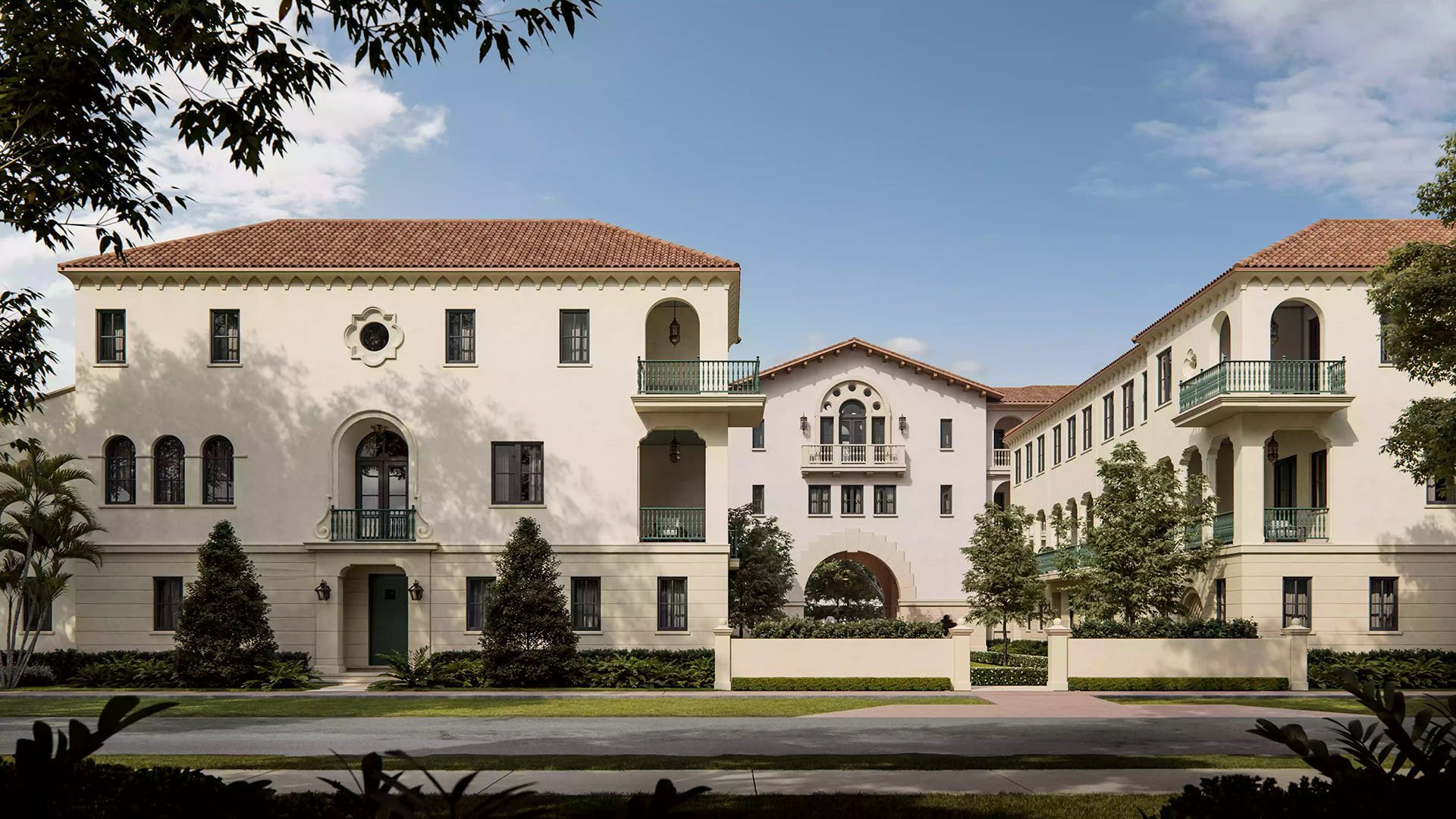
At The Village at Coral Gables, selecting a residence involves more than choosing a preferred layout. Its position within the development can influence privacy, daylight, acoustic exposure, environmental comfort, and how the home feels from morning through evening. Those qualities can also shape its long-term market appeal.
A floor plan may work beautifully on paper, yet its windows, terraces, and principal rooms can engage the surrounding environment very differently from those of another residence with a similar configuration. The essential question is not merely what the home contains, but what it faces, what faces it, and how those relationships may evolve.
The central lesson is straightforward: evaluate architecture, microclimate, urban context, and likely buyer preferences together. A view should never be considered in isolation.
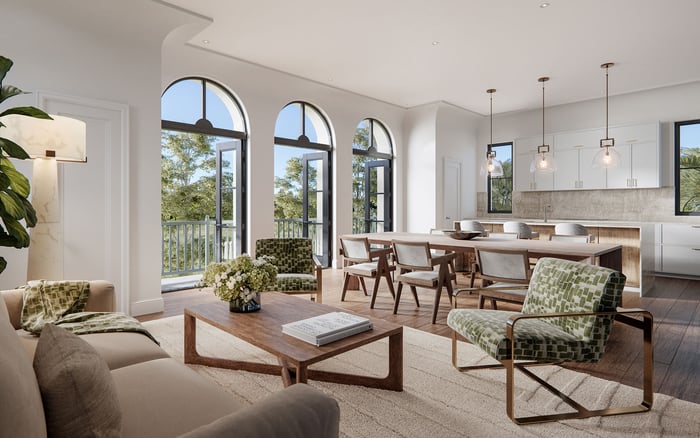
Orientation deserves close study because South Florida solar exposure can produce materially different outcomes for natural light and comfort. Rather than relying on a single viewing, buyers should consider how light enters primary living spaces, bedrooms, and outdoor areas at different hours.
Natural light is only one dimension. Visual exposure matters as well. A bright room can feel less private when its principal glazing aligns directly with another occupied area. Conversely, light filtered through a tree canopy may create a greater sense of seclusion, although foliage can also affect daylight and the breadth of the outlook.
The objective is not to identify a universally correct exposure. It is to determine whether the line's light pattern suits the buyer's schedule, furnishings, use of outdoor space, and tolerance for direct sun. The same discipline can guide comparisons with other Coral Gables choices, including Cora Merrick Park, without assuming that similarly located homes offer identical conditions.
Privacy and acoustic comfort often overlap, but they are not interchangeable. Street-facing and courtyard-facing lines can present distinct visual and sound conditions. A street outlook may create greater separation in one setting, while a courtyard orientation may feel more sheltered. Either position can also carry patterns of activity that emerge only during a careful site visit.
Amenity adjacency requires the same nuance. Convenient access may support daily enjoyment, yet direct exposure to shared spaces can influence activity levels, sightlines, and the sense of retreat. Buyers should examine the relationship among windows, terraces, circulation areas, gathering spaces, streets, and internal landscaped zones rather than relying on labels such as “quiet side.”
When assessing Ponce Park Coral Gables or another nearby option for comparison, apply the same test: observe what is visible, listen from the rooms that matter, and consider both active and quieter periods. Privacy should be experienced spatially, not inferred from a plan alone.
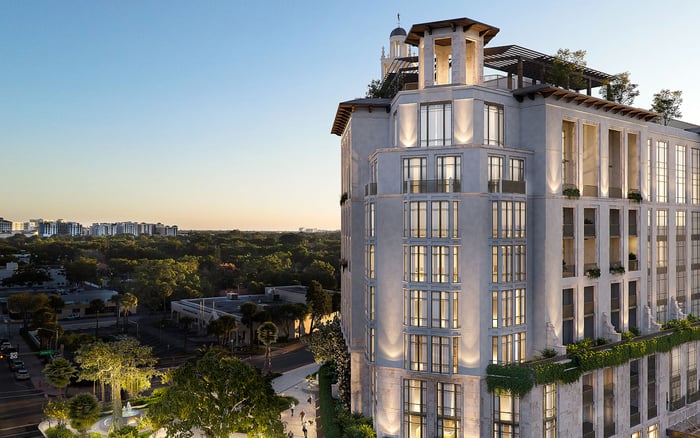
A compelling outlook today is only the beginning of the analysis. The more durable question is the view corridor: its width, depth, visual boundaries, and dependence on neighboring parcels. Tree canopy, nearby architecture, internal courtyards, and open urban space can each determine whether an outlook feels expansive, layered, screened, or exposed.
Waterview expectations offer a useful reminder that a descriptive view category does not establish its permanence or quality. The same principle applies in Coral Gables. Buyers should identify which elements of an outlook lie within the development, which depend on land beyond it, and whether the line's appeal rests on a narrow opening that may be vulnerable to change.
Field observation remains essential. Standing at the approximate window and terrace positions, where access permits, can reveal oblique sightlines or direct visual relationships that stacking diagrams may not fully communicate.
Long-term appeal depends partly on what surrounds the residence. Zoning stability and future development risk merit review because nearby construction could alter privacy, daylight, noise conditions, or an established view. No outlook should command a durable premium without scrutiny of the parcels that support it.
This is also where lifestyle preferences and investment logic may diverge. The line that delivers the strongest immediate enjoyment for one buyer may not offer the broadest resale liquidity. A highly specific relationship to a courtyard, street, amenity, or canopy may be deeply attractive to one household and less compelling to another.
Comparative visits can sharpen judgment. A buyer considering low-rise or neighborhood-oriented living might also tour Four Seasons Residences Coconut Grove to clarify personal priorities around outlook, privacy, and environmental context. The purpose is not to declare one project superior, but to determine which attributes remain persuasive across different settings.
Before assigning a premium, request and study the available site plan, stacking information, surrounding parcel context, and relevant zoning picture. When possible, revisit the preferred line under different light and activity conditions.
Score each candidate across five categories: natural light, visual privacy, acoustic exposure, view-corridor durability, and likely resale breadth. Floor-plan efficiency should remain part of the decision, but it should not eclipse the lived conditions created by orientation and adjacency.
At The Village at Coral Gables, no line should be deemed superior without this full review. The best selection is the one whose spatial experience, microclimate, and long-term context align most convincingly with the buyer's priorities.
Why does line selection matter at The Village at Coral Gables? It can influence privacy, natural light, acoustic exposure, daily comfort, and long-term market appeal.
Is a courtyard-facing line always quieter? No. Sound conditions depend on activity, circulation, amenities, landscaping, and the residence's exact position.
Is a street-facing residence necessarily less private? Not necessarily. Privacy depends on separation, sightlines, glazing orientation, tree canopy, and surrounding uses.
How should buyers assess natural light? Consider solar exposure and, whenever possible, observe primary rooms at different times of day.
Can tree canopy improve a residence's outlook? It may add screening and a sense of seclusion while also affecting daylight and the breadth of the view.
Why is amenity exposure important? Proximity may be convenient, but it can also influence activity, noise, and visual privacy.
What is a view corridor? It is the spatial path of an outlook, including its depth, width, boundaries, and potential obstructions.
How can future development affect a line? Nearby construction may change privacy, natural light, acoustic conditions, or an established outlook.
Does the best lifestyle line always have the strongest resale potential? No. Personal enjoyment and broad future buyer demand may favor different attributes.
What should buyers review before choosing? Study plans, orientation, adjacency, surrounding parcels, zoning context, and field conditions before assigning a premium.
For a tailored shortlist and next-step guidance, connect with MILLION.
If branded residences are on your mind — as a home or as an allocation — we would be glad to share what we are seeing, privately.
Begin a quiet conversation