Selecting a residence at St. Regis® Residences Sunny Isles requires more than comparing floor levels. A disciplined review should consider the specific line, orientation, sightlines, daylight, privacy, layout, and residence documents together.
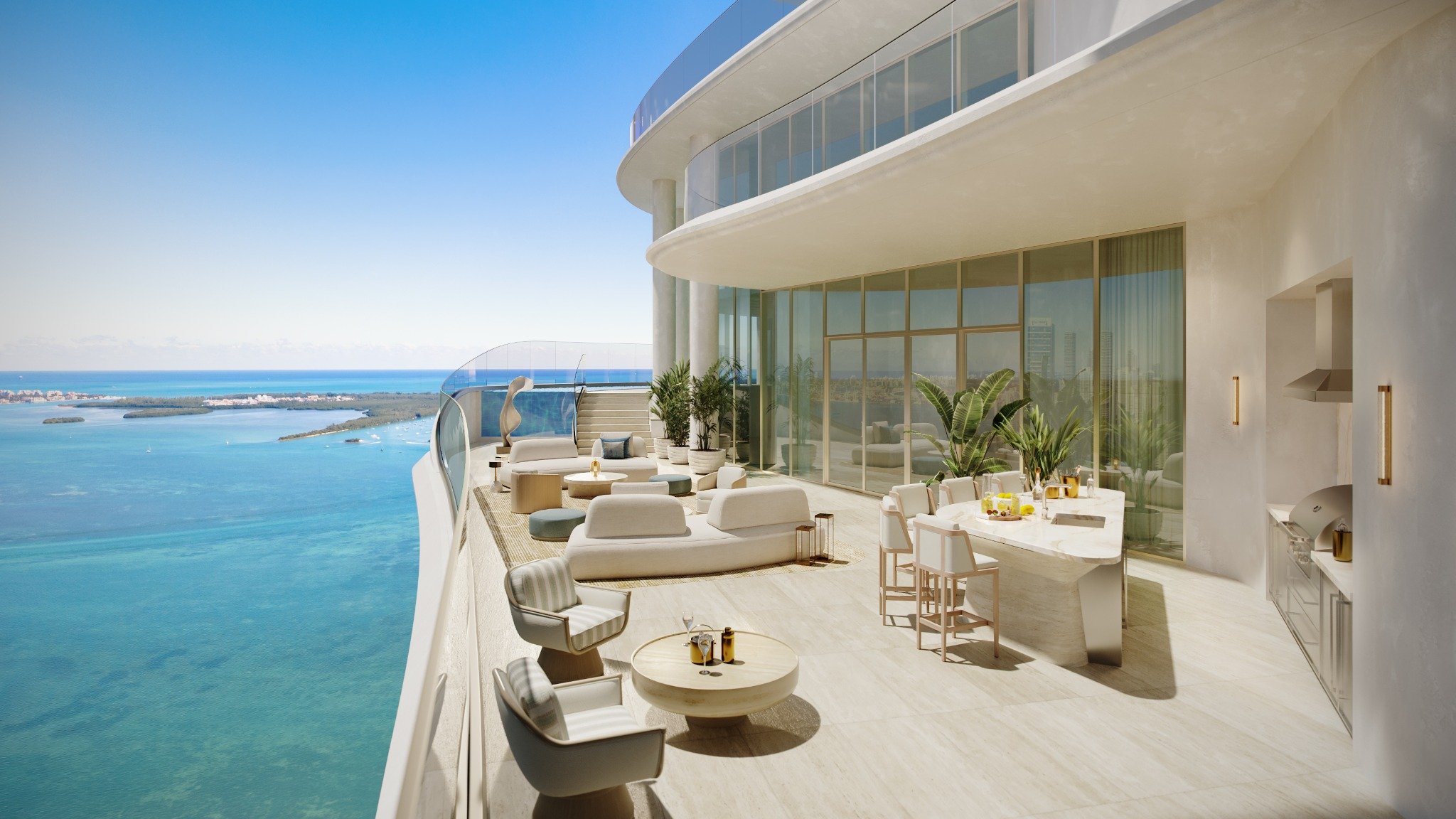
At St. Regis® Residences Sunny Isles, buyers should evaluate the exact residence rather than relying on the project name or floor level alone. A line’s position can influence the outlook from principal rooms, the timing and intensity of daylight, terrace exposure, and the sense of separation from neighboring homes.
The analysis should begin with the current residence plan. Buyers can trace the relationship among the living area, primary suite, secondary bedrooms, kitchen, and outdoor space, then consider whether the arrangement supports their daily routines and furnishing preferences.
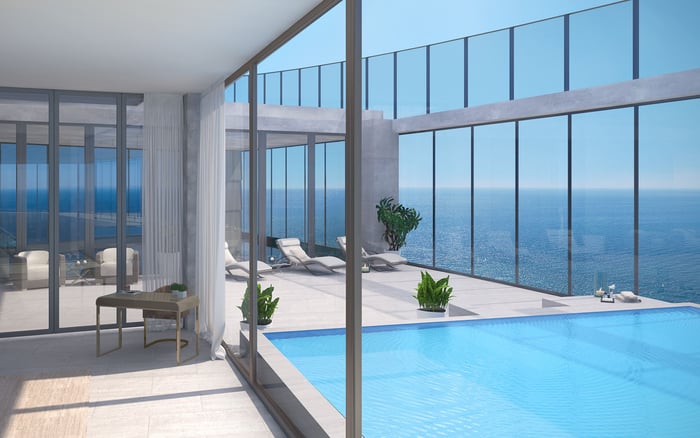
Broad view labels do not fully describe the experience from a particular home. The more useful exercise is to study what can be seen from each frequently used room, whether the outlook is direct or angled, and whether architectural elements affect the visual corridor.
Floor height is only one part of that review. Buyers should consider the precise position of windows and terraces, the surrounding context, and the relationship between interior spaces and the horizon. Any representation about a view should be confirmed for the specific residence using current plans, available survey materials, and governing contract documents.
Privacy has several dimensions. Operational privacy concerns how residents and guests move through a property, while visual privacy concerns sightlines between windows, terraces, and surrounding buildings. One does not automatically guarantee the other.
A buyer should map views both outward and inward. The key questions include whether principal rooms face another window wall, whether terrace edges create exposure, and whether the residence maintains comfortable separation throughout the day. Elevation may change these relationships, but it should not substitute for a direct sightline review.
For additional branded-residence context, buyers may compare the plans and positioning presented for Bentley Residences Sunny Isles and The Ritz-Carlton Residences® Sunny Isles. These comparisons should remain residence-specific rather than relying on brand recognition alone.
Natural light changes with orientation, season, weather, window placement, and terrace depth. A residence that feels bright in the morning may have a different character later in the day, while reflected light and glare can affect comfort, artwork placement, and screen use.
When possible, buyers should review a residence or its orientation at different times. Current diagrams and plans can also help identify where direct sun may enter and which rooms may receive softer ambient light. The objective is not necessarily maximum brightness, but a light pattern that suits the owner’s preferences.
Interior area does not reveal how effectively a home functions. Circulation, usable wall space, bedroom separation, storage, furniture placement, and access to outdoor areas can be equally important. Buyers should test a plan against realistic furniture dimensions and everyday movement rather than treating total area as the sole measure of value.
Terraces also deserve a practical review. Their connection to living spaces, privacy, depth, and exposure may matter more than a headline outdoor-area figure. Current residence-specific plans should guide that assessment.
Long-term appeal often depends on whether a residence’s advantages are easy to understand. A coherent outlook, comfortable privacy, balanced daylight, and an intuitive plan can make a home more legible to a future buyer, although no single combination is universally preferable.
The final decision should reflect personal priorities and verified residence details. Buyers should identify the exact tower, floor, line, and plan revision; compare the relevant documents; and seek appropriate professional advice before relying on marketing descriptions.
What is a residence line? A residence line generally refers to a recurring vertical position within a building. Buyers should confirm how the term applies to the specific plan under consideration.
Is a higher floor always preferable? No. Floor level should be evaluated with orientation, sightlines, privacy, layout, and the surrounding context.
How should buyers assess a view? Review the outlook from each principal room and terrace, noting whether it is direct, angled, broad, or affected by architectural elements.
Why does orientation matter? Orientation can influence when direct or reflected light enters a home and how interior spaces feel throughout the day.
How can visual privacy be reviewed? Study the angles between windows, terraces, and nearby structures using current plans and an in-person review when possible.
Does elevation resolve every privacy concern? No. A higher position may change exposure, but direct sightlines still require residence-specific analysis.
Should total interior area determine the choice? Not by itself. Circulation, usable rooms, storage, furniture placement, and access to outdoor space also affect daily function.
What should buyers examine about a terrace? Consider its connection to interior rooms, usable depth, exposure, privacy, and relationship to the residence’s principal outlook.
How should marketing descriptions be treated? They should be checked against current residence plans, contract documents, available survey materials, and appropriate professional guidance.
What may support long-term appeal? A clearly understood combination of outlook, privacy, daylight, and efficient planning may help a residence remain compelling over time.
For a discreet conversation and a curated building-by-building shortlist, connect with MILLION.
If branded residences are on your mind — as a home or as an allocation — we would be glad to share what we are seeing, privately.
Begin a quiet conversation