At Mila Bay Harbor Islands, a residence line can shape far more than the view. Orientation, neighboring façades, balcony position, daylight, glare, and future development should be evaluated together before a buyer compares value.

At a boutique waterfront property, buyers often begin with bedroom count, interior area, and floor level. At Mila Bay Harbor Islands, the more revealing question may be which line best supports the intended lifestyle. Orientation can materially shape water views, privacy, daylight, glare, and exposure to activity around the building.
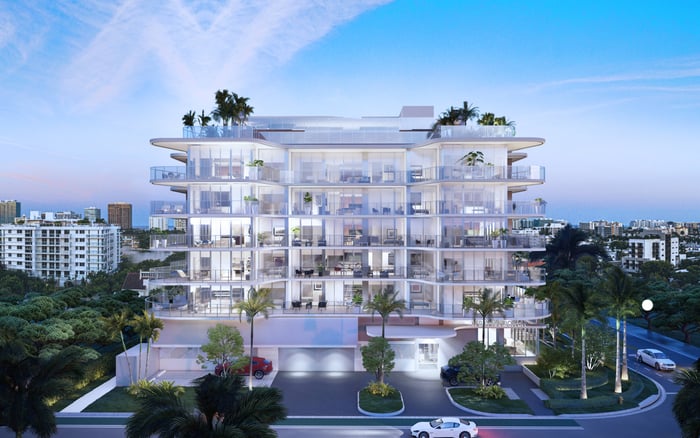
Two residences with similar plans may therefore offer distinctly different experiences. A modest shift in angle can open a broader water corridor, bring a neighboring façade into the primary sightline, or change how sunlight moves through the living room. For discerning buyers, line selection is not a secondary detail. It is part of the architecture of daily life.
The first task is to separate floor plan from position. Corner lines may offer broader viewing angles and more varied outlooks, yet they can also create additional exposure to nearby buildings, balconies, or public areas. Interior lines can feel more protected but may have narrower sightlines or greater visual interference from façades, landscaping, boats, and courtyard spaces.
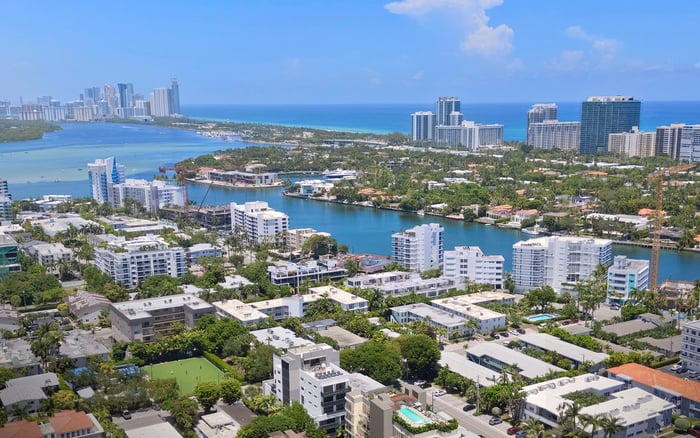
Bay-facing exposures generally hold the strongest potential for open-water and skyline views, subject to the final site plan and surrounding development. That potential should be tested from the principal rooms and balcony, not inferred from a directional arrow alone. Water-view quality depends on the width, depth, and durability of the view corridor.
The same discipline is useful when comparing nearby boutique options such as Alana Bay Harbor Islands and La Maré Bay Harbor Islands. The relevant comparison is not simply one project against another. It is the relationship between a specific residence, its orientation, and its immediate setting.
East-oriented exposures typically favor morning light and sunrise views. For buyers who value luminous breakfasts and softer conditions later in the day, that pattern may be attractive. West-oriented exposures receive stronger afternoon sun and may bring greater heat and glare, particularly across broad expanses of glass or outdoor space.
North- and south-oriented lines can frame diagonal water or skyline views while also capturing neighboring buildings and marine activity. Neither direction is inherently superior. The better choice depends on when the residence will be occupied, which rooms matter most, and whether the buyer prefers bright afternoon interiors or more moderated light.
A serious review should consider the home at several hours of the day, even when direct observation is not yet possible. Sun-path studies, balcony orientation, window placement, and the depth of adjacent structures can help clarify how the exposure may perform.
A higher floor may improve separation, but height alone does not establish privacy. The decisive issue is how the residence aligns with neighboring façades, balconies, amenity decks, walkways, and waterfront activity. A lower residence with a protected angle can feel more private than a higher one directly facing another building.
Buyers should trace likely sightlines from the living room, primary suite, kitchen, and outdoor areas. They should also identify shared spaces below or beside the line. Pool decks, circulation routes, and waterfront edges can introduce movement into an otherwise attractive outlook.
This relational approach also applies when reviewing Onda Bay Harbor and Bay Harbor Towers as local alternatives. Waterfront positioning warrants a room-by-room privacy analysis rather than a broad assumption based on elevation.
Lines that combine durable water views, favorable natural light, and meaningful separation from neighboring buildings may hold broader long-term appeal than otherwise similar residences. This does not mean the widest view will always be the best choice. A spectacular west-facing panorama may be less compelling to a buyer sensitive to afternoon glare, while a quieter diagonal exposure may suit year-round living more comfortably.
Future conditions matter as well. Development on neighboring parcels can alter views, privacy, daylight, and resale positioning. A prudent buyer should review floor plans, stacking diagrams, balcony orientation, amenity placement, neighboring parcels, and potential future construction as one connected study.
The strongest buyer’s-guide principle is simple: purchase the line, not merely the plan. Boutique scale can heighten the importance of every angle because small positional differences may meaningfully change the experience. The objective is to identify the exposure whose qualities are both enjoyable now and defensible over time.
Request the final survey, site plan, floor plans, and stacking diagrams, then test each candidate against the same criteria. Identify the principal view corridor, note nearby structures, map public and amenity activity, and consider sunlight by time of day. Confirm whether the outlook is direct, diagonal, framed, or potentially obstructed.
Finally, distinguish personal preference from resale breadth. Some buyers prioritize sunrise light; others accept stronger afternoon sun for a particular water perspective. The most durable choice is often the line that balances outlook, comfort, and privacy without depending on a single vulnerable feature.
Why can similar floor plans feel different at Mila Bay Harbor Islands? Their position and orientation can change views, daylight, glare, privacy, and exposure to surrounding activity.
Are bay-facing lines always the best choice? They generally offer the strongest potential for open-water and skyline views, but the final site plan and surrounding development remain important.
Do corner lines provide better views? Corner lines may provide wider viewing angles, though they can also increase exposure to neighboring buildings or public areas.
What is the trade-off with an interior line? An interior line may feel more contained, but it can have narrower sightlines or greater interference from adjacent features.
Which orientation is best for morning light? East-oriented exposures typically favor morning light and sunrise views.
What should buyers expect from west-facing exposure? West-facing residences usually receive stronger afternoon sun and may experience more heat and glare.
Does a higher floor guarantee privacy? No. Privacy also depends on alignment with façades, balconies, amenity areas, walkways, and waterfront activity.
Can a small change in line position affect the view? Yes. A slight difference in position or angle can widen open-water sightlines or place a structure in the principal view corridor.
What documents should a buyer review? Review floor plans, stacking diagrams, balcony orientation, amenity placement, the site plan, and neighboring parcels together.
What supports long-term appeal? Durable water views, favorable natural light, and separation from neighboring buildings may broaden future buyer interest.
For a confidential assessment and a building-by-building shortlist, connect with MILLION.
If branded residences are on your mind — as a home or as an allocation — we would be glad to share what we are seeing, privately.
Begin a quiet conversation