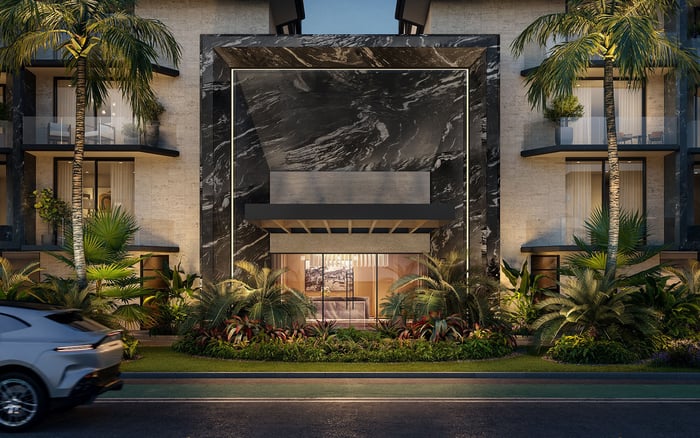
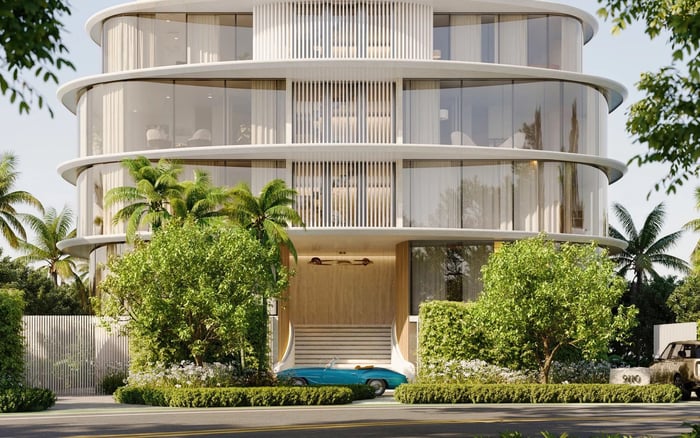
A careful line-selection review at La Baia North should compare room-by-room outlooks, daylight, privacy, terrace exposure and the potential effect of surrounding properties before weighing long-term appeal.
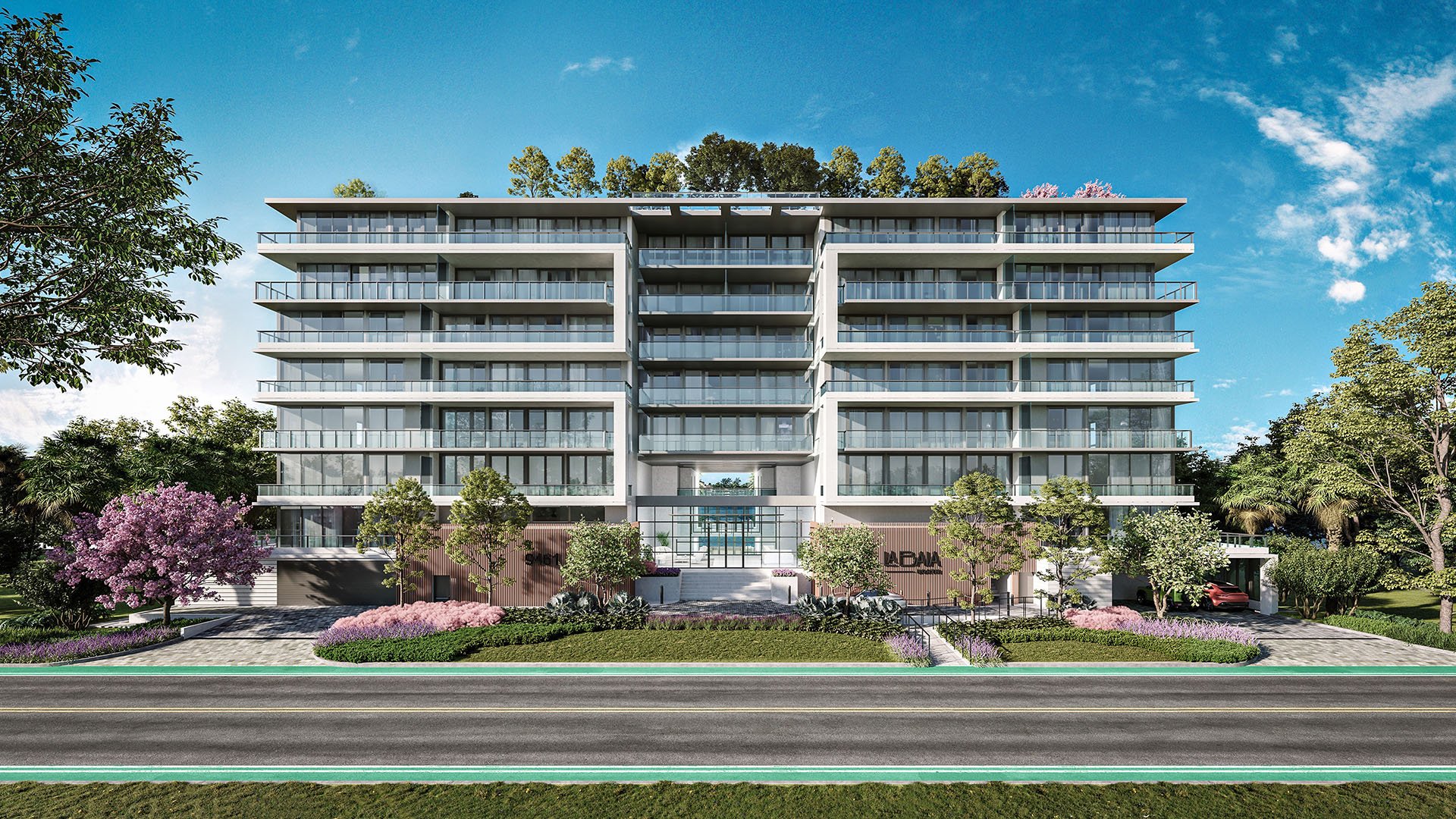
At La Baia North Bay Harbor Islands, buyers should assess the outlook as a residence-specific consideration rather than a building-wide label. Line, elevation, room orientation and terrace geometry can influence how privacy, natural light and surrounding views are experienced in daily life.
A strong review begins inside the residence. Buyers should stand in the living area, primary bedroom and secondary rooms to determine what is visible from normal seating and sleeping positions. A view that appears compelling near the glass may feel different from deeper within the floor plan.
Marketing language cannot replace a room-by-room inspection. Buyers should distinguish between broad outlooks, partial water visibility, neighboring-building exposure and views that depend on a particular position within the residence.
Natural light also requires separate analysis. Window orientation, overhangs, terrace depth and nearby structures may affect brightness at different times. Buyers can visit under more than one lighting condition and note glare, reflected light, shade and the usability of walls intended for televisions or artwork.
For additional project navigation in Bay Harbor Islands, buyers may compare Onda Bay Harbor and La Maré Bay Harbor Islands. Any comparison should focus on residences with reasonably similar layouts, elevations and exposure conditions.
When comparable layouts recur on different floors, buyers can use them to examine the practical effect of elevation. The review should consider sky exposure, visual clearance, privacy from nearby windows and the perceived relationship between the interior and surrounding environment.
Higher does not automatically mean better. One buyer may prefer a broader visual field, while another may value a more immediate connection to the surroundings. The appropriate choice depends on how the residence performs during ordinary use rather than on floor number alone.
Corner positioning may provide more than one exposure, but every side should be evaluated independently. Buyers should check whether windows or terraces face neighboring balconies, shared outdoor areas, streets or parcels that could change over time.
Terrace privacy should be tested from seated and standing positions. It is also useful to look back toward the interior from outside, because direct sightlines may affect bedrooms and living areas differently.
The Well Bay Harbor Islands offers another internal project reference for buyers building a local comparison set. The purpose of comparison is not to assume equivalent conditions, but to clarify priorities involving layout, exposure and residential experience.
A lasting-view premium should be based on more than present-day openness. Buyers can request current plans and available property information, then ask qualified professionals to review surrounding parcels and any conditions that may affect future sightlines.
Price-per-square-foot comparisons also require context. Layout efficiency, floor, orientation, privacy and terrace usability can differ even among residences that appear similar on paper. Asking prices should not be treated as proof of value or as substitutes for comparable transaction analysis.
The final decision should balance visual appeal with practical livability. A residence that manages light, furniture placement, privacy and room-by-room outlooks well may offer stronger everyday utility than one selected primarily for a dramatic first impression.
Why does line selection matter at La Baia North? A residence’s line can affect room orientation, terrace relationships, privacy and the way surrounding views are experienced.
Should buyers evaluate more than the living-room view? Yes. Primary and secondary bedrooms, kitchens, dens and terraces may have different outlooks and privacy conditions.
Are higher floors always preferable? No. Buyers should compare openness, light, privacy and personal preferences rather than relying on floor number alone.
How can buyers compare similar residences across floors? They can review comparable layouts at different elevations and observe how visual clearance, sky exposure and privacy change.
What should buyers inspect on a terrace? They should check sightlines while seated and standing, neighboring-balcony exposure, shade and the connection back to interior rooms.
Why should natural light be reviewed at different times? Brightness, glare, reflected light and shade can shift during the day and affect how rooms function.
Does corner positioning guarantee better privacy? No. Multiple exposures can broaden an outlook, but each side may introduce separate sightlines toward neighboring properties.
How should an open view be evaluated for long-term appeal? Buyers should review current property information and seek qualified advice about surrounding parcels before assuming an outlook will remain unchanged.
Is price per square foot enough to compare lines? No. Floor, layout, orientation, terrace usability and privacy should be considered alongside pricing.
What materials should buyers request before choosing a residence? They should request current floor plans, stack information and available property documents relevant to orientation and surrounding conditions.
For a confidential assessment and a building-by-building shortlist, connect with MILLION.
If branded residences are on your mind — as a home or as an allocation — we would be glad to share what we are seeing, privately.
Begin a quiet conversation