A buyer-focused framework for assessing view protection, neighboring parcels, and future construction considerations at The Well Coconut Grove and Vita at Grove Isle without treating current water views as permanent legal guarantees.
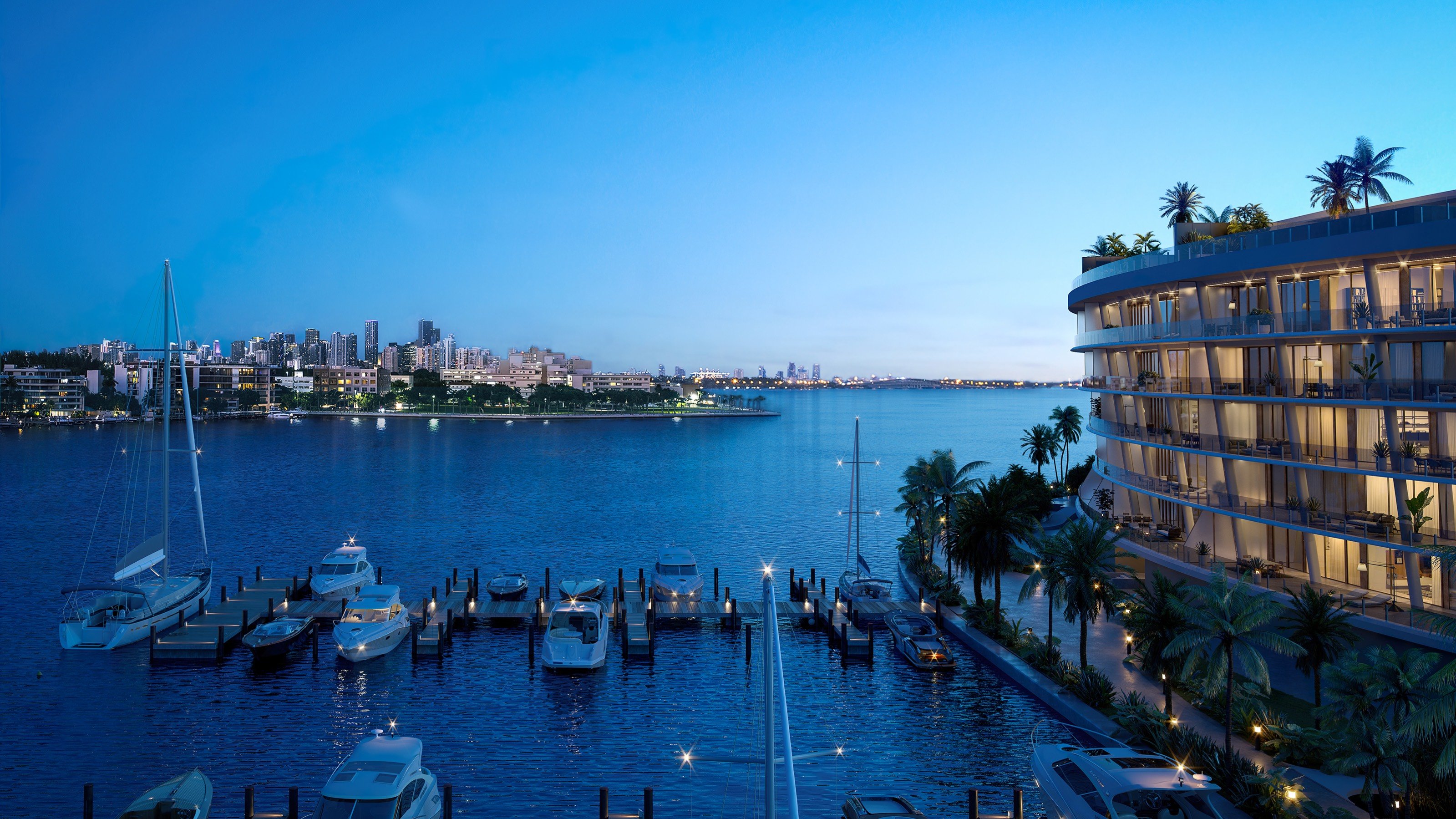
Buyers comparing The Well Coconut Grove and Vita at Grove Isle should assess view risk at the residence level. The relevant questions concern the unit’s orientation, elevation, sight-line geometry, and relationship to every parcel within its principal and peripheral outlooks.
A current water view can be visually compelling without being permanently protected. The durability of that view depends on the rights affecting the residence and nearby land, not on marketing language or water orientation alone.
Waterfront and water-view descriptions do not by themselves establish an easement, covenant, or other enforceable right. A credible protection analysis should identify the governing document, the land it burdens and benefits, the party entitled to enforce it, and the conduct it restricts.
Buyers and counsel may need to examine surveys, plats, title materials, easements, covenants, zoning provisions, approved plans, condominium disclosures, and applicable governmental records. The review should distinguish restrictions on height, placement, density, or use from provisions that address access, landscaping, or amenities without preserving a particular view corridor.
A building does not need to stand directly in front of a terrace to affect the experience of a view. Peripheral and diagonal sight lines can cross neighboring parcels, while structures, landscaping, shoreline work, access areas, and amenities can change foreground conditions.
A parcel map should therefore extend beyond the most obvious water-facing direction. For each relevant parcel, the buyer’s team should identify ownership, existing improvements, recorded limitations, approvals, and potential development rights. Current open space should not be assumed to remain unchanged unless supporting documents establish an enforceable constraint.
The analysis for The Well Coconut Grove should focus on the parcels and legal rights affecting the selected residence’s exact view corridors. Floor level should be considered together with orientation because elevation alone does not resolve exposure to future development envelopes or angled sight lines.
The same unit-specific discipline applies to Vita at Grove Isle. Buyers should investigate the legal status and permitted use of land intersecting the residence’s outlook rather than infer protection from the present arrangement of buildings, amenities, or open areas.
Other Coconut Grove residences, including Four Seasons Residences Coconut Grove and Park Grove Coconut Grove, warrant the same distinction between the quality of a view today and the documentary basis for expecting it to endure.
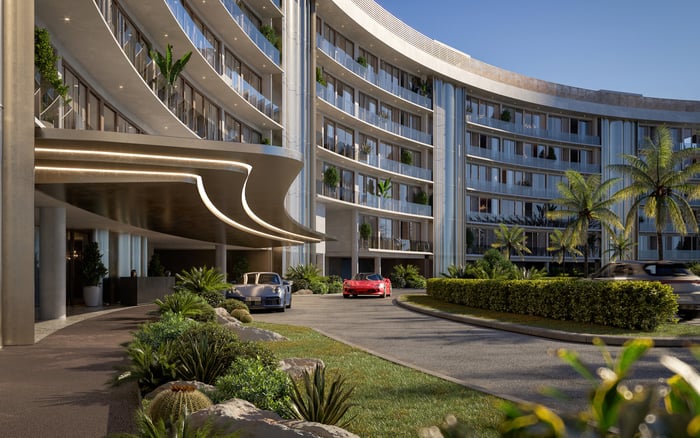
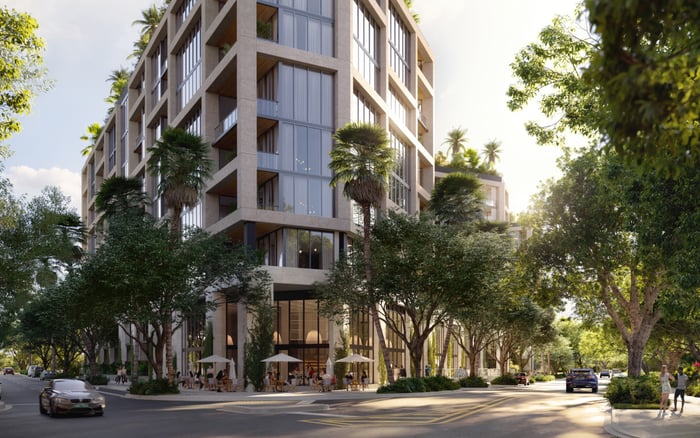
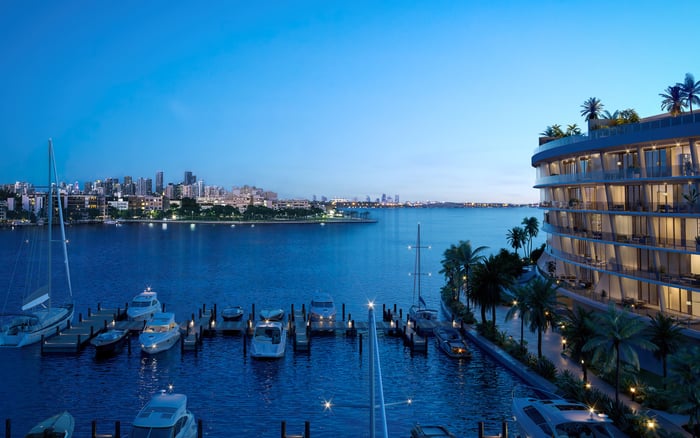
Renderings can illustrate design intent, but they should not replace verified measurements, surveys, or legal analysis. Buyers should compare visual materials with unit plans, orientation, existing site conditions, and the rights applicable to nearby property.
Contract and disclosure materials should also be reviewed for provisions addressing views, construction, noise, temporary conditions, nearby development, and changes outside a developer’s control. Any verbal representation that materially affects a purchase decision should be tested against the governing documents with qualified counsel.
Begin with a current survey and a unit-specific sight-line study. Identify every parcel crossed by central, peripheral, and diagonal views, then compare present conditions with recorded rights and permitted development parameters.
The resulting analysis should separate four categories: legally protected rights, practical buffers, constraints requiring interpretation, and attractive conditions that may remain alterable. This structure helps a buyer evaluate view-related risk without assuming either permanent protection or inevitable obstruction.
Does a water view guarantee permanent protection? No. A current outlook does not by itself establish an enforceable right preserving a particular sight line.
What documents can help evaluate view protection? Relevant materials may include surveys, plats, title records, easements, covenants, zoning provisions, approved plans, condominium disclosures, and governmental records.
Why do adjacent parcels matter? Their ownership, restrictions, approvals, and development potential can affect both direct and angled views from a residence.
Can an oblique view be affected without direct blockage? Yes. Changes on land crossing a diagonal or peripheral sight line can alter the view even when the central water-facing direction remains open.
Does a higher floor eliminate future view risk? No. Elevation may improve a current outlook, but orientation, nearby development rights, and future building envelopes still require review.
Are renderings sufficient for evaluating a residence’s view? No. They should be compared with verified plans, dimensions, surveys, site conditions, and applicable legal documents.
Should open amenity space be treated as permanently protected? Not without documentation. Buyers should determine whether enforceable restrictions limit future changes to the relevant land.
What should buyers examine at The Well Coconut Grove? The review should address the selected unit’s orientation, elevation, sight lines, neighboring parcels, recorded restrictions, and applicable approvals.
What should buyers examine at Vita at Grove Isle? Buyers should apply the same unit-specific review to the land, rights, restrictions, and potential uses affecting the residence’s view corridors.
Who should conduct view-related due diligence? Qualified real estate counsel and appropriate title, survey, planning, or land-use professionals should evaluate the documents and site-specific issues.
For a discreet conversation and a curated building-by-building shortlist, connect with MILLION.
If branded residences are on your mind — as a home or as an allocation — we would be glad to share what we are seeing, privately.
Begin a quiet conversation