For seasonal owners, architecture and controlled access are only the beginning. This buyer-focused review separates building security from active unit care, explains the distinction between county evacuation and condominium re-entry, and identifies the written protocols to request at La Baia North and Mila.
A South Florida residence may appear ideally suited to seasonal use, with controlled entry, private-elevator access, impact glazing, waterfront amenities, and professional management. Yet true lock-and-leave ownership is defined less by a building’s features than by what its staff is authorized and obligated to do after an owner departs.
That distinction matters at La Baia North Bay Harbor Islands and Mila Bay Harbor Islands. Both merit consideration from buyers seeking a refined waterfront residence, but their disclosed features do not, by themselves, answer every operational question. Building security, in-unit monitoring, storm preparation, emergency access, and post-event reporting are distinct layers of service.
True lock-and-leave ownership is an operating standard, not simply a collection of amenities.
For a second residence, the essential question is who assumes responsibility when the unit is unoccupied. A secured lobby can regulate entry, but it does not confirm that someone will inspect for a water leak, detect an HVAC failure, coordinate housekeeping, supervise a contractor, move terrace furnishings, or document conditions after severe weather.
Buyers should determine whether those duties fall to building management, an approved third-party home-watch provider, or the owner. The answer should appear in an agreement, rule, or formal service schedule rather than be inferred from concierge language.
A credible arrangement should define inspection frequency, the rooms and systems reviewed, escalation procedures, photographic reporting, and the party authorized to approve urgent work. It should also address emergency keys, digital-access permissions, vendor insurance requirements, package accumulation, and responsibility for costs. If optional services are available, buyers should request the fee schedule and any limits on staff liability.
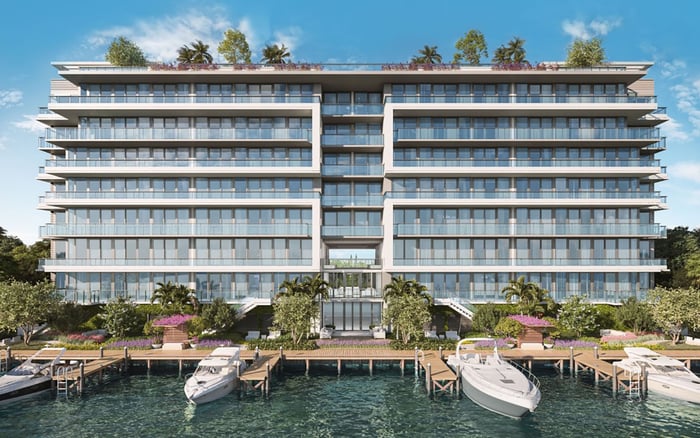
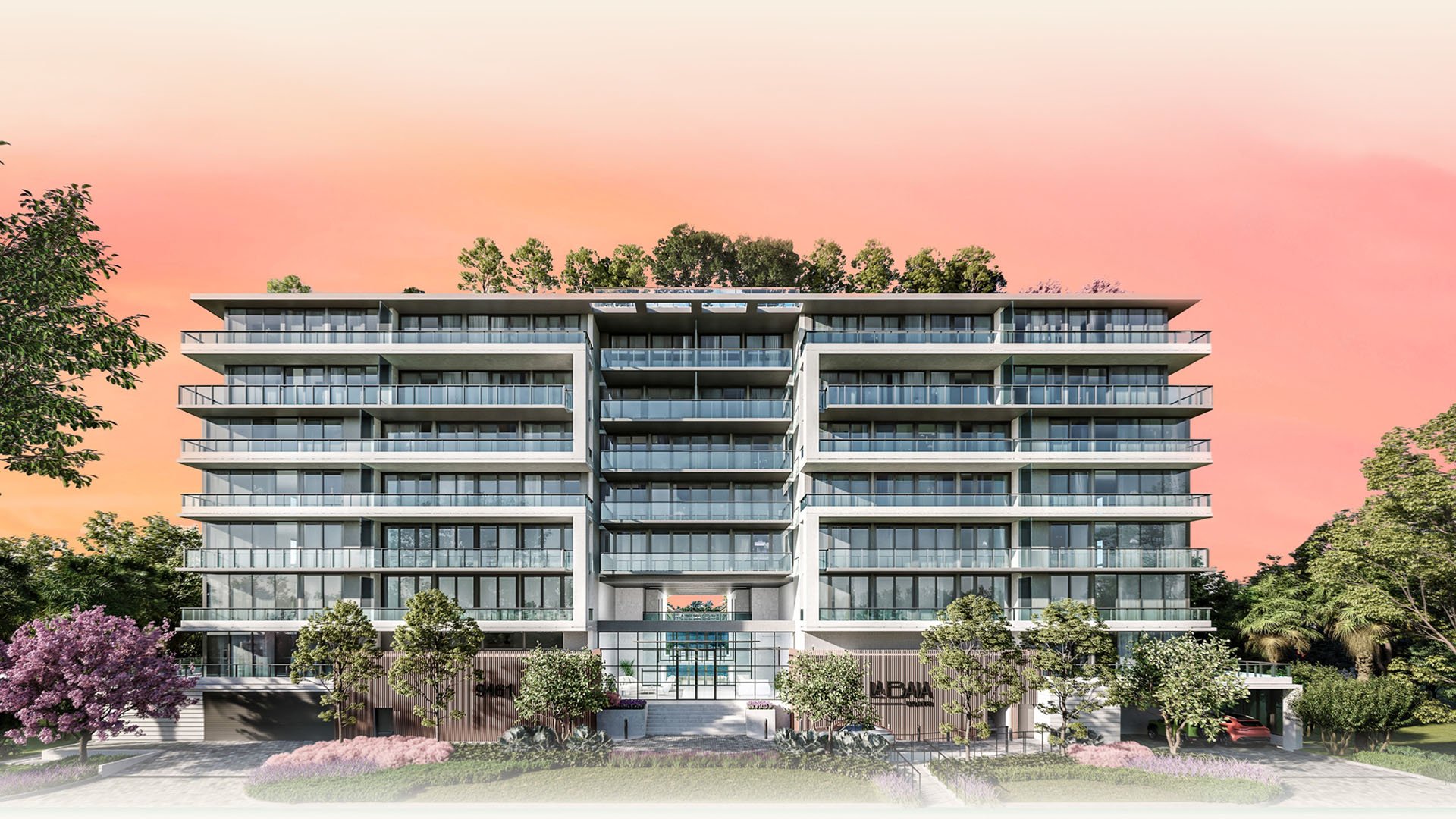
La Baia North is a waterfront condominium in Bay Harbor Islands. Its resort-style amenities, waterfront access, and private boat slips are meaningful lifestyle elements, particularly for an owner who values direct access to the water.
They do not establish a detailed standard for monitoring an unoccupied residence. Before contract or closing milestones, a buyer should request the condominium declaration, rules, proposed budget, staffing plan, emergency plan, insurance information, and key-control policy. The practical objective is to determine where common-area management ends and private-unit responsibility begins.
Private slips add another dimension. An owner should clarify whether storm communications concerning boats, docks, and waterfront areas come through the condominium, a separate marina function, or another governing arrangement. Boat access should not be treated as confirmation of storm-preparation services.
Buyers comparing the island’s residential options may also consider Onda Bay Harbor. The comparison should extend beyond finishes and views to the precision of each property’s absence-management framework.
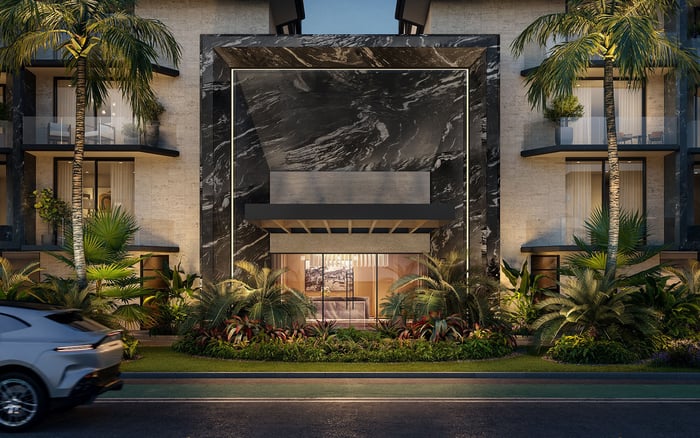
Mila is planned as a tropical-modern condominium with nine residences. Its homes are designed with private-elevator arrivals and full-through layouts offering east and west exposures.
The project’s features include flood-resilient construction, floor-to-ceiling impact windows, and high-impact windows and doors within the residences. When properly secured and maintained, impact glazing can reduce reliance on separate shutters. Access features include a secured lobby with smart access, intercom, elevator-secure entry, secured stairs, a fire alarm, and secured parking or garage areas.
These measures support controlled access and physical resilience. They do not confirm recurring interior inspections, housekeeping coordination, contractor supervision, or post-storm checks in vacant units. Buyers should seek current operating documents rather than assume that tested hurricane procedures already have an established history.
Its nine-residence scale may appeal to buyers who prize discretion, but scale alone does not establish staffing depth or response coverage. Comparable due diligence should accompany consideration of Origin Bay Harbor Islands, while Alana Bay Harbor Islands remains part of the wider local conversation. The decisive issue is the individual building’s written service model.
Community evacuation planning does not define how a particular condominium will shut down elevators, restrict access, inspect common areas, assess life-safety systems, or admit owners after a storm. Community evacuation and condominium re-entry are separate processes.
An owner should ask who has authority to declare the property safe, which conditions could delay access, how elevator outages affect private arrivals, and whether stair access remains controlled. Management should also explain its communication sequence, including whether notices arrive by email, text, resident portal, or telephone. A clear plan will identify who checks vacant units, whether owners receive photographs, and how emergency remediation is authorized.
The strongest due diligence converts broad service promises into specific, testable obligations. Buyers should request current drafts or final versions of governing documents, budgets, staffing schedules, insurance materials, emergency procedures, and approved-vendor rules. They should then seek direct answers to several operational questions:
A buyer considering The Well Bay Harbor Islands or another nearby development should apply the same discipline. Even the most polished amenity program cannot substitute for a defined chain of responsibility.
La Baia North presents waterfront living, resort-style amenities, and private boat slips. Mila combines a boutique nine-home plan with private-elevator arrivals, full-through residences, impact glazing, controlled access, and flood-resilient positioning. Each profile has clear appeal, but neither should be evaluated on design language alone.
For the lock-and-leave buyer, the premium lies in operational certainty: a named responsible party, documented authority to enter, a repeatable inspection protocol, prompt communication, and an orderly route back into the building after a storm. Those provisions protect more than the residence. They preserve the ease and confidence that make seasonal ownership compelling.
For discreet guidance on Bay Harbor Islands residences and their ownership considerations, connect with MILLION.
If branded residences are on your mind — as a home or as an allocation — we would be glad to share what we are seeing, privately.
Begin a quiet conversationIt means more than controlled entry. Buyers should confirm who monitors the private unit, responds to problems, authorizes vendors, and reports conditions during an owner’s absence.
Its described amenities do not establish a detailed service standard for monitoring vacant units. Buyers should request the applicable operating documents.
Not necessarily. Controlled building access does not establish that staff will inspect interiors, coordinate housekeeping, supervise contractors, or conduct post-storm unit checks.
Mila is described with flood-resilient construction, floor-to-ceiling impact windows, and high-impact windows and doors in residences.
Mila is planned with nine residences in Bay Harbor Islands.
Written documents can clarify staffing, access, inspections, vendor coordination, and storm procedures. Buyers should not infer these services from design or amenity features.
No. Community evacuation planning is separate from each condominium’s inspection, access, communication, and re-entry process.
Buyers should ask who has authority to declare the property safe and what conditions could delay access. The governing documents and emergency plan should explain the process.
Request governing documents, rules, budgets, staffing plans, insurance materials, key-control policies, vendor requirements, and written emergency procedures.
Buyers should ask whether management or an approved provider will inspect the unit, document conditions with photographs, identify damage, and explain any urgent remediation.