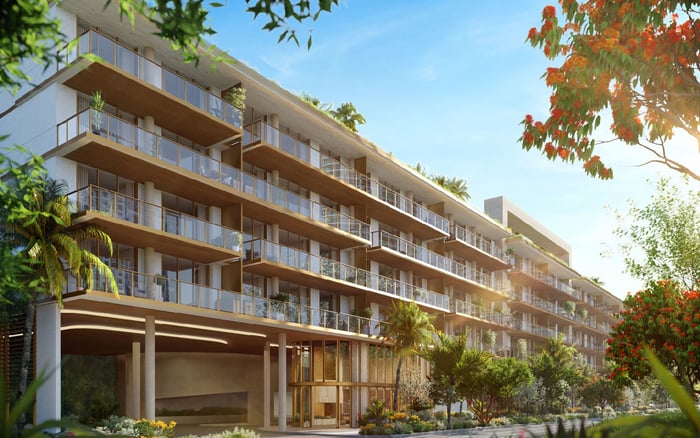
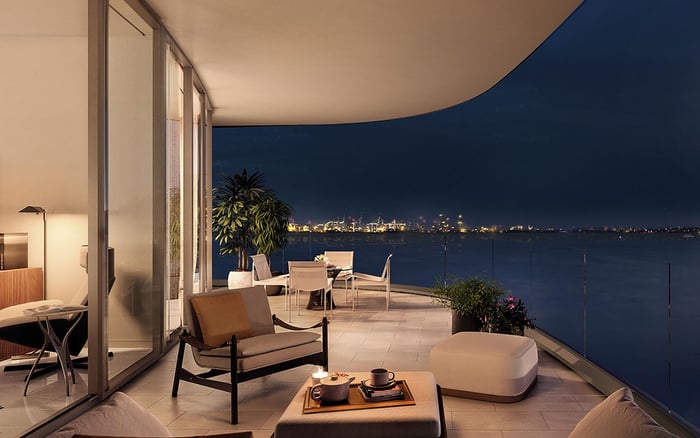
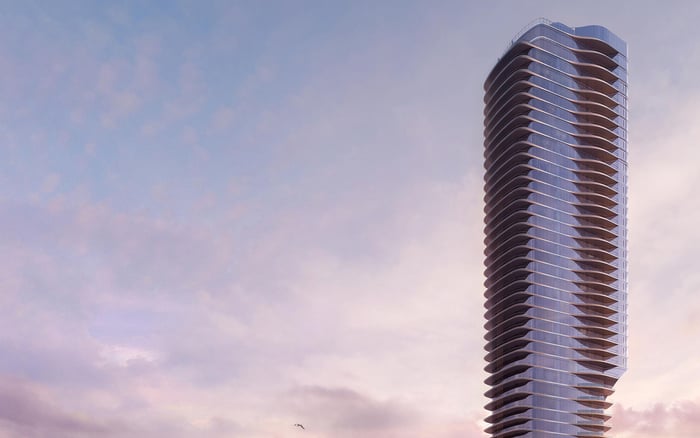
A buyer-focused 2026 checklist for planning motorized shades at Una Residences Brickell, with attention to exposures, glazing, controls, condo approvals, serviceability and the polished turnkey standard expected in a bayfront Brickell residence.
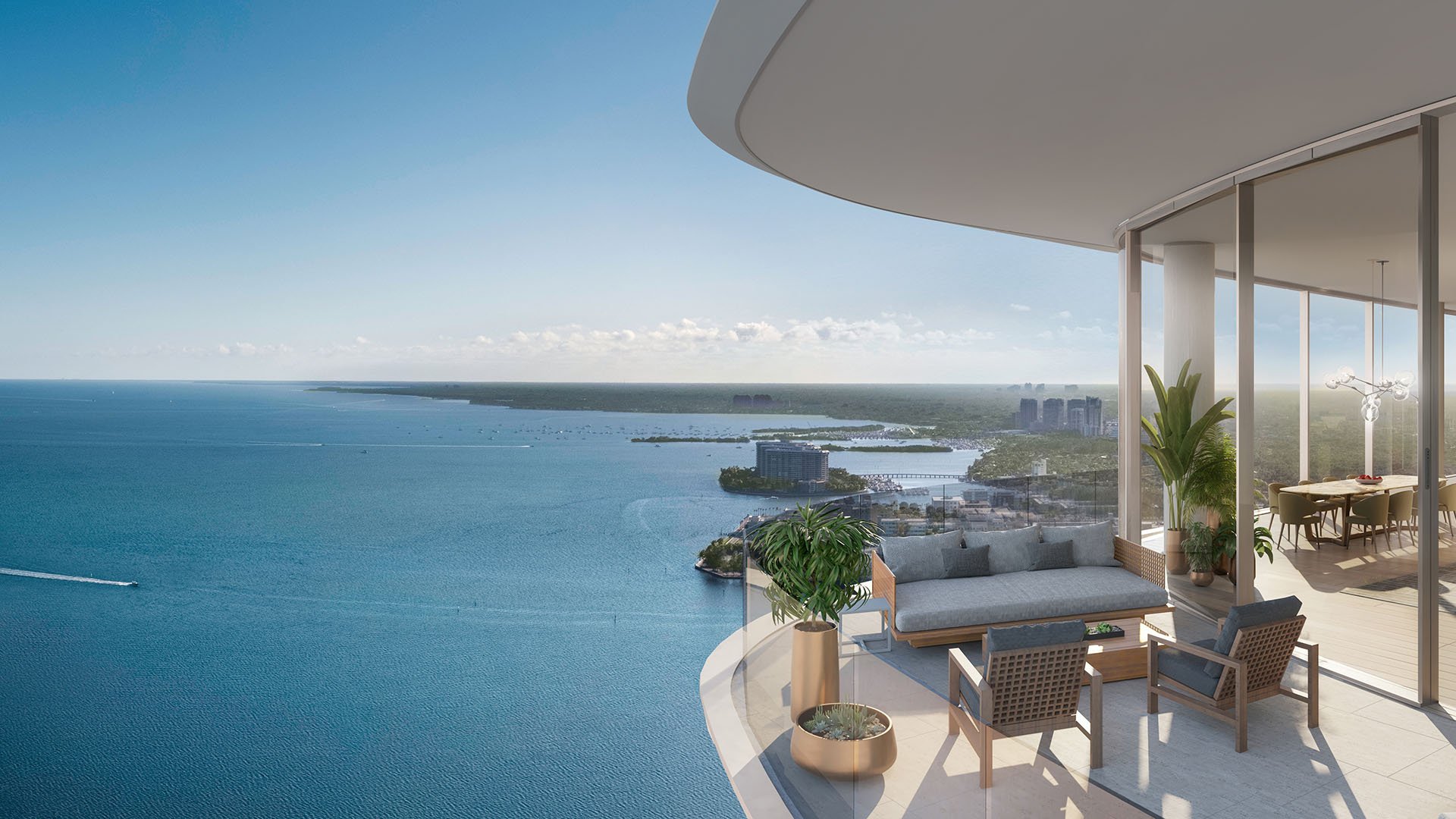
Una Residences Brickell is the type of Brickell residence where glass, light and view orientation can shape the daily living experience. That makes motorized shades more than a decorative upgrade. In a glass-forward home, they become part of the core operating system.
For 2026 buyers, timing is the critical shift. Shade integration should not wait until furniture plans are complete or a final punch list is underway. Large glazing areas can change how a residence performs throughout the day, from morning glare to evening privacy and reflected brightness. If the infrastructure is not reviewed early, the eventual solution may require visible fascias, awkward tracks, extra wall controls or compromises that interrupt the intended clean finish.
In a Brickell luxury context, the goal is discretion. A successful system should feel almost invisible when open, quiet when moving and precise when aligned across continuous window walls. This is especially important when the value proposition is closely tied to views, refined lines and a polished turnkey expectation. For buyers evaluating the residence through a Waterview, Balcony, New-construction and Ultra-modern lens, shades are not a minor finish decision. They are a comfort, privacy and resale-readiness decision.
The due-diligence process should begin with the unit’s actual orientation, not a generic shade package. Different exposures can produce very different glare, heat and privacy conditions, even within the same building.
East-facing glass may need attention for low-angle morning sun and glare. South-facing glazing should be reviewed for sustained daytime solar exposure and the possible effect on cooling loads. West-facing glass can be more demanding in the afternoon, especially where sunlight reflects off nearby buildings or water. North-facing glass may be less sun-intensive, but it can still require planning for reflected brightness, privacy and interior balance.
A serious review should test the unit as it will actually be lived in. Where will the primary seating face? Which bedrooms need true darkness? Does a media-oriented room require blackout performance, or would layered solar screens and lighting scenes be enough? In main living areas, solar-screen shades often preserve daylight while managing glare. In bedrooms, blackout shades are frequently the more appropriate conversation. The most refined installations may use both, provided the ceiling conditions and control strategy can support them cleanly.
The physical conditions at the window wall matter as much as the fabric. High ceilings, continuous glass and minimal framing can limit the space available for conventional shade pockets, fascias and tracks. Buyers should confirm before closing whether the residence includes pre-wired shade infrastructure, low-voltage pathways, ceiling pockets or approved retrofit routes.
This is where the due-diligence checklist becomes technical, but remains practical. Review window-wall dimensions, mullion locations, ceiling conditions, electrical capacity and control wiring. Confirm where motors will sit, how service access will be handled and whether any proposed installation would interfere with lighting, sprinklers, HVAC diffusers or finish details. A poorly coordinated retrofit can add cost and complexity, but its larger risk is visual. In a residence designed around uninterrupted glass, an exposed or misaligned shade installation can read as an afterthought.
The coordination table should include the developer, general contractor, electrician, low-voltage integrator, interior designer and condominium management. Each party controls a different part of the final outcome. The designer may focus on fabric, room mood and color consistency. The integrator will care about wiring, control logic and compatibility. Condominium management will care about approvals, visible materials and installation rules. The buyer should care about all of it, because the system will be used every day.
Control decisions should be made early. A luxury residence can operate shades through wall keypads, remotes, schedules, sensors or a broader smart-home platform. The right answer depends on how the owner lives, not simply on what is technically possible.
For a primary residence, wall keypads and preset scenes can be valuable. A morning scene might soften glare while keeping the view visible. An evening scene might support privacy without fully darkening the room. In bedrooms, the priority may be quiet operation and reliable blackout alignment. In a second-home setting, schedules and remote control may carry more weight, especially if the owner wants to protect interiors from prolonged sun exposure while away.
Integration with lighting and HVAC scenes should be discussed as part of the same conversation. Shades can support comfort by managing daylight and heat gain, while lighting can compensate when shades are lowered. The more coordinated the systems are, the less the residence feels like a collection of separate devices. In the best installations, the home responds with a single touch and the technology recedes.
Condominium rules can shape the final shade package. Buyers should check for restrictions on exterior-facing shade colors, visible materials, installation methods and work approvals. In many high-design buildings, exterior uniformity matters, and the surface visible from outside may need to meet building standards even when the interior-facing fabric is selected for the room.
This is not merely administrative. A fabric that looks perfect against a living room palette may be rejected if it changes the exterior appearance. A track detail that appears simple in a showroom may require approval if it touches the window wall or ceiling in a controlled area. Work hours, installer insurance and access procedures can also affect timing. Early review reduces the risk that a beautiful design is delayed or revised late in the process.
Waterfront exposure can add another layer. Components should be selected with durability and serviceability in mind, including corrosion-resistant materials where appropriate and access for future maintenance. Quiet motors, consistent alignment and dependable operation are part of the luxury standard, but so is the ability to service the system without disturbing finished ceilings or millwork.
Motorized shades can influence how a future buyer experiences a residence during a showing. When the system is well integrated, it supports the expected turnkey feel of a luxury Brickell home. The rooms are comfortable, the views remain controlled rather than compromised, and the technology appears intentional.
The opposite is also true. Visible retrofit elements, uneven drops, noisy motors or unresolved glare can make a residence feel less resolved, even when the view is exceptional. At this level, buyers notice the small frictions. They notice whether a bedroom can truly darken, whether a living room remains usable during bright hours and whether the controls are intuitive.
For Una Residences Brickell, the correct mindset is simple: preserve the architecture, protect the view and make the home easier to live in. A motorized-shade package should be specified with the same care as lighting, stone, millwork and smart-home infrastructure. Done early, it becomes part of the residence’s quiet intelligence. Done late, it can become one of the most visible compromises in an otherwise refined home.
Why are motorized shades important at Una Residences Brickell? Large glass areas can make glare control, privacy and daylight management central to comfort.
Should shade planning happen before closing? Yes. Buyers should confirm wiring, ceiling pockets, low-voltage pathways and approved retrofit routes before finishes are finalized.
Do all exposures need the same shade solution? No. East, south, west and north exposures can create different glare, heat and privacy conditions, so the review should be unit-specific.
Are solar-screen shades enough for bedrooms? Often they are not. Bedrooms and media-oriented spaces may require blackout shades, while living areas may benefit from solar-screen fabrics.
What should be checked at the window wall? Review dimensions, mullion locations, ceiling conditions, electrical capacity, control wiring and service access before specifying hardware.
Can shades connect to a smart-home platform? They can be planned for keypads, remotes, schedules, sensors or broader automation, but compatibility should be decided early.
Do condominium rules affect shade choices? Yes. Rules may address exterior-facing colors, visible materials, installation methods, approvals and work procedures.
Why does waterfront exposure matter? Waterfront conditions can make durability and future serviceability important, including corrosion-resistant components where appropriate.
Can poor shade planning affect the architecture? Yes. Visible retrofits, awkward fascias or misaligned tracks can compromise the clean look of a glass-forward residence.
Can integrated shades help resale perception? A quiet, well-aligned system can support the turnkey feel expected in a luxury Brickell residence.
For a tailored shortlist and next-step guidance, connect with MILLION.
If branded residences are on your mind — as a home or as an allocation — we would be glad to share what we are seeing, privately.
Begin a quiet conversation