From integrated recovery circuits to thoughtfully planned outdoor spaces, five wellness features merit closer attention in Miami luxury residences. The strongest proposition is not the longest amenity list, but convenient access, credible staffing, and facilities that suit an owner's routine.
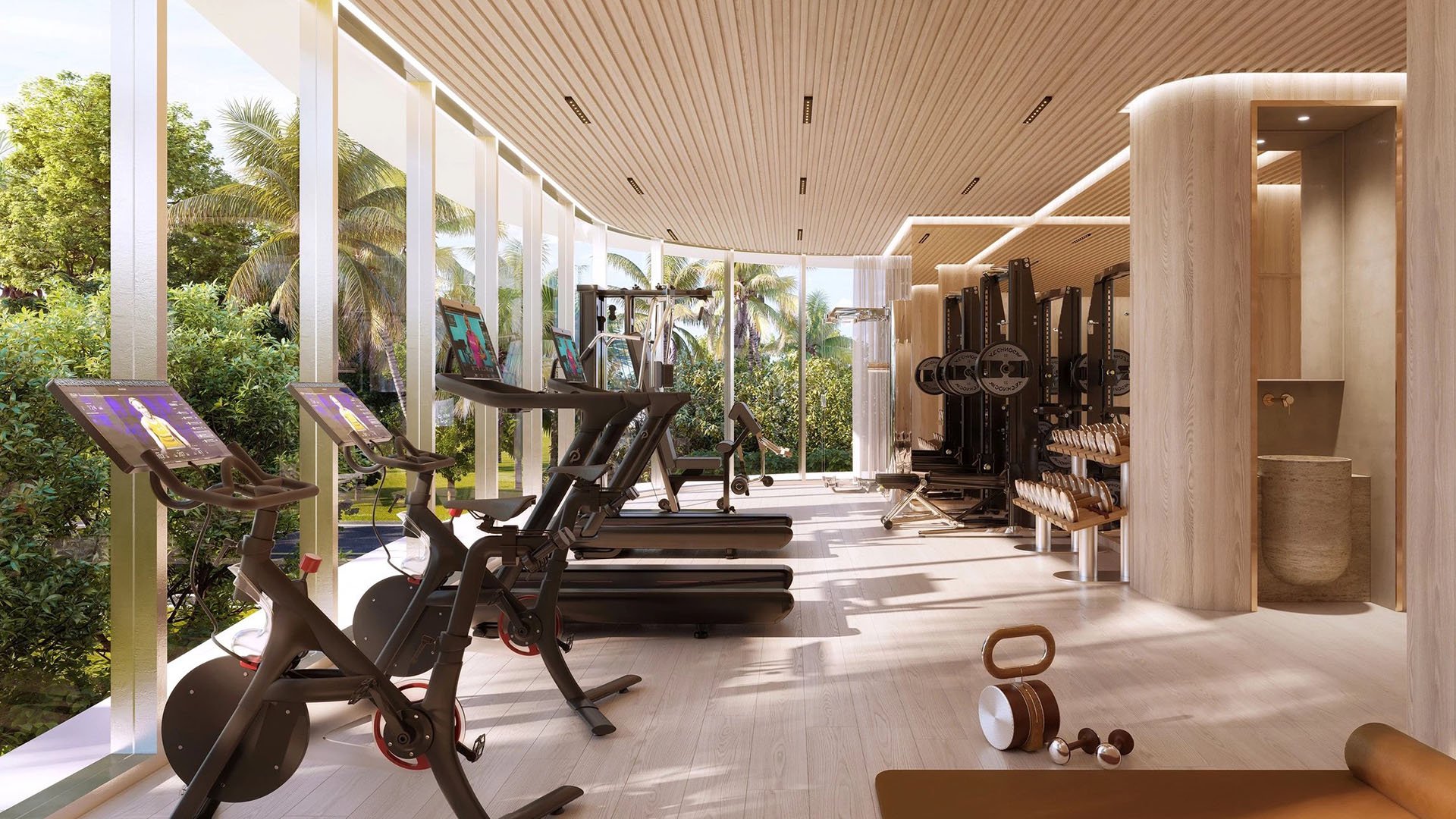
The most persuasive wellness amenity is not necessarily the most elaborate. It is the one that fits naturally into an owner's week: a properly equipped training studio, a quiet treatment room, or a recovery circuit that requires no additional journey across town. In Miami luxury residences, that distinction should guide what deserves a premium.
The scale is already substantial. The advertised offering at House of Wellness Brickell encompasses 656 residences and more than 22,000 square feet of dedicated wellness amenities, including fitness, spa, and social spaces. Yet square footage alone cannot establish how private, available, or useful those spaces will feel.
The following ranking prioritizes convenience, breadth, and potential usefulness to residents. It does not imply demonstrated resale premiums, membership savings, or clinical benefits. Where amenities are planned or advertised, buyers should distinguish the sales presentation from the facilities and services ultimately delivered.
1. Integrated recovery circuit: best overall utility
A coherent sequence of recovery spaces earns first place because several amenities can support a single visit. The advertised full-floor wellness level at HQ Residence Miami in Edgewater combines contrast-therapy circuits, a hammam, sauna, steam room, and cold-plunge pools. The attraction is having these options together rather than scattered across separate destinations.
For a buyer, the premium is most defensible when the layout, access rules, and operating hours make regular use realistic. Ask whether facilities can be used independently, whether reservations are necessary, and how cleaning or maintenance closures will be handled. This ranking rewards an integrated experience, not a claim that heat or cold exposure suits every resident.
2. A serious fitness center with dedicated studios: strongest everyday-use proposition
A fitness offering deserves attention when it extends beyond a conventional equipment room. The advertised movement center at Anantara Residences Miami in Edgewater includes Technogym strength and functional-training equipment, a Pilates/reformer studio, and indoor and outdoor yoga. That combination offers distinct settings for different exercise preferences.
The purchasing question is whether those settings match your routine. A dedicated studio has less personal value if its equipment, class schedule, or instructor availability does not suit you. Review the proposed equipment schedule and clarify whether instruction, personal training, and reformer sessions are included or charged separately. Frequency of use matters more than the breadth of the brochure.
3. Specialized longevity and recovery services: strongest service differentiation
The planned $25 million, residents-only Wellness and Longevity Center at 619 Brickell is advertised to include cryotherapy, hyperbaric oxygen, infrared sauna, red-light therapy, IV and peptide therapies, and a wellness concierge. Its position here reflects the breadth of the proposed services, not independently established treatment effectiveness.
This category calls for the most exacting diligence. Verify provider credentials, medical oversight where appropriate, eligibility requirements, and individual treatment charges. Consult a qualified clinician about suitability and risks. A residential setting and a substantial advertised budget do not establish that a treatment is necessary, effective, or appropriate for a particular owner.
4. A treatment-oriented spa: strongest relaxation-and-convenience proposition
The advertised amenities at Kempinski Residences Miami Design District include treatment rooms alongside infrared and dry saunas, cold-plunge pools, experiential showers, meditation gardens, and a wellness café. The appeal extends beyond exercise to the possibility of a restorative appointment within the residential environment.
Here, the distinction between a beautiful room and a usable service is crucial. Ask about therapist staffing, booking windows, treatment menus, cancellation terms, and guest access. A buyer who values regular treatments should examine service availability as closely as finishes. The most appealing spa is one that can accommodate an owner's actual schedule.
5. Outdoor wellness space: strongest open-air complement
Outdoor space rounds out the ranking because it complements, rather than duplicates, indoor fitness and recovery. At 619 Brickell, plans include Zen gardens, an 86-foot swimming pool, and a pool deck with bay and skyline views. These elements offer a different setting from an enclosed studio or treatment suite.
Assess the intended experience rather than assuming every outdoor amenity serves the same purpose. Consider whether you want quiet seating, space for movement, or swimming, then examine the plans accordingly. An advertised pool length does not by itself establish dedicated lap-swimming arrangements, and a garden rendering does not guarantee privacy or silence.
The relationship between spaces can matter as much as their individual specifications. The Well Bay Harbor Islands is advertised as a 54-residence project with more than 22,000 square feet of amenities. The advertised offering includes a restorative bathhouse, saunarium, caldarium, halotherapy steam room, cold-dip experience, treatment spaces, and daily fitness and mindful-movement programming.
For buyers, this illustrates why programming deserves its own review. Rooms establish the physical offering; schedules and staffing determine when residents can use the services they value. Ask for the proposed operating plan, not simply the amenity floor plan. Neither the residence count nor the total amenity area guarantees availability.
In the Design District, the advertised combination of treatment, thermal, garden, and café spaces at Kempinski Residences Miami Design District offers another useful comparison. Evaluate whether that mix fits your habits better than a more equipment-led offering.
At 619 Residences by Foster + Partners + Nobu Hospitality, the planned offering extends to 90,000 square feet of private amenities across a proposed 296-residence tower. Scale is a reason to examine the operating model carefully, not a substitute for doing so.
Before assigning value to any wellness collection, establish who may enter, whether outside memberships are permitted, which services carry additional charges, and what maintenance obligations fall to the association. Review projected association expenses and clarify responsibility for specialist equipment, staffing, and replacement costs.
Finally, confirm delivery specifications and access rights in the applicable developer disclosures and purchase documents. The strongest reason to pay more is a credible fit between your routine, the promised facilities, and their continuing cost. A longer amenity list alone is not enough.
Explore Miami residences with wellness offerings aligned to your priorities with MILLION.
If branded residences are on your mind — as a home or as an allocation — we would be glad to share what we are seeing, privately.
Begin a quiet conversationAn integrated recovery circuit ranks first for convenient access to several amenities in one location. The ranking does not establish financial returns or medical benefits.
Dedicated strength, functional-training, Pilates, and yoga spaces provide a broader offering than a conventional equipment room. Buyers should verify equipment, instruction, schedules, and charges.
The Edgewater project promotes a full-floor wellness level with contrast-therapy circuits, a hammam, sauna, steam room, and cold-plunge pools.
Its advertised movement center includes Technogym strength and functional-training equipment, a Pilates/reformer studio, and indoor and outdoor yoga.
The planned $25 million residents-only center is marketed with cryotherapy, hyperbaric oxygen, infrared sauna, red-light therapy, IV and peptide therapies, and a wellness concierge.
Marketing language and service breadth do not establish treatment efficacy. Buyers should verify credentials and supervision and discuss suitability with a qualified clinician.
Its advertised offering includes treatment rooms, infrared and dry saunas, cold-plunge pools, experiential showers, meditation gardens, and a wellness café.
Plans include Zen gardens, an 86-foot swimming pool, and a pool deck with bay and skyline views. Dedicated lap-swimming arrangements should not be assumed.
Inclusion is not established by the supplied amenity descriptions. Buyers should verify treatment charges, staffing costs, maintenance obligations, and association-fee implications.
The available information does not establish comparative resale premiums. Evaluate personal usefulness, access rights, delivery terms, and ongoing costs rather than assuming financial upside.