A buyer-focused guide to five terrace priorities, from engineered cover and adjustable shade to airflow, enclosure choices, and a practical storm-preparation plan.
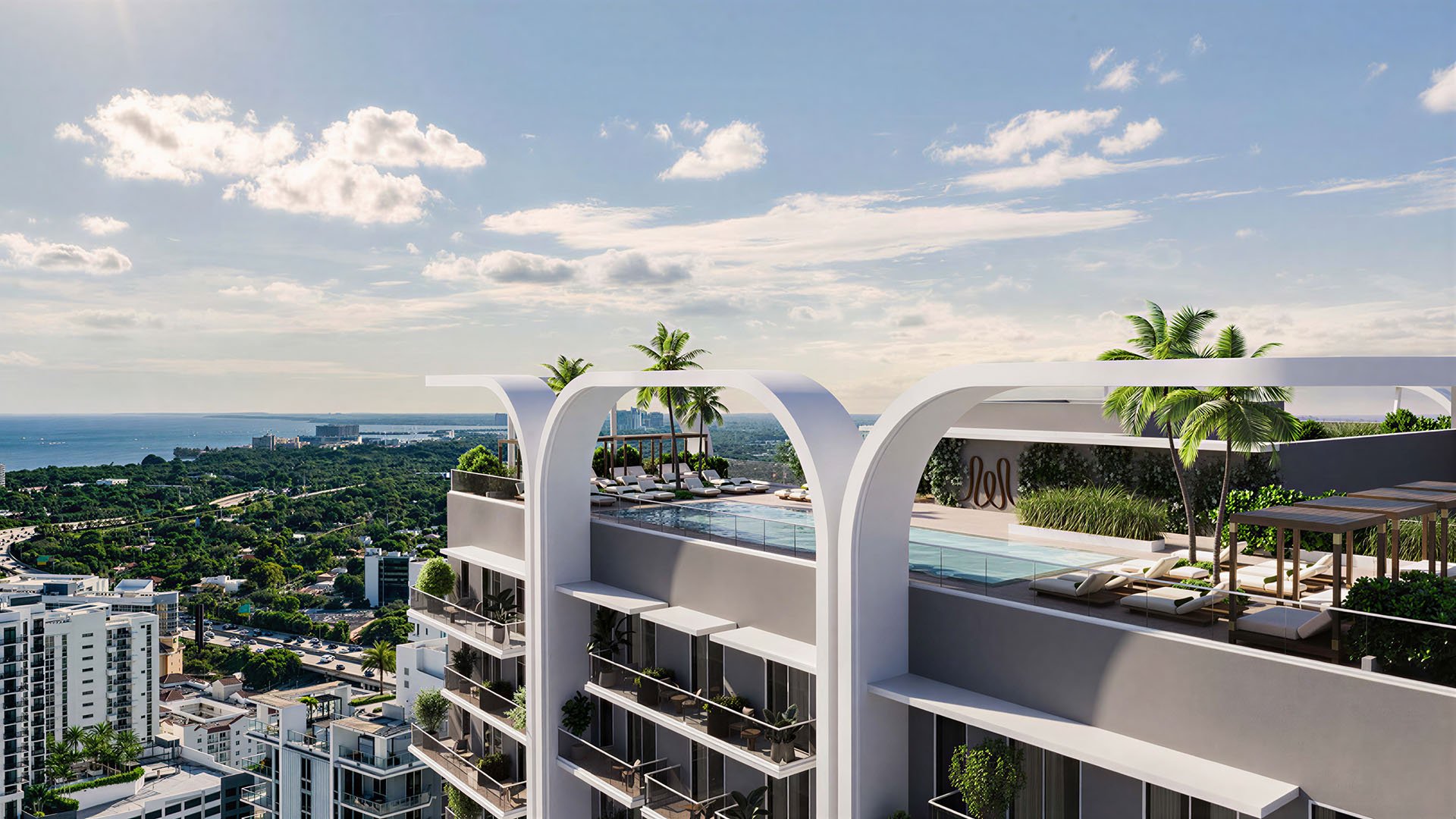
A compelling South Florida terrace should invite more than a brief appearance at sunset. The aim is an outdoor room that feels considered at breakfast, comfortable for an unhurried lunch, and practical to close down when severe weather approaches. For a luxury buyer, that means looking beyond the staged furniture to the architecture, protection systems, and operating details that support it.
The essential distinction is between everyday comfort and storm resilience. A shade that softens afternoon light is not automatically a protective screen. A covered seating area is not, by itself, evidence that every opening has the appropriate protection. Each layer warrants its own questions.
When considering a residence at The Residences at 1428 Brickell, for example, make the terrace review specific to the home under consideration. Ask what is included, what is approved, and what would require further design review. A project name alone does not establish those answers.
1. Covered, structurally engineered terrace - the architectural foundation
Begin with the overhead structure and its relationship to the residence. Cover comes first because it establishes the setting for the outdoor room; its engineering deserves at least as much attention as its proportions. In Miami-Dade and Broward, evaluate the roof, exterior walls, doors, and glazing as connected elements rather than isolated upgrades.
Ask a qualified professional to assess wind and debris protection for the relevant components and assemblies, identify the applicable design requirements, and review the documents supporting the installed configuration. Do not accept a blanket description such as “hurricane-rated terrace” without knowing exactly which elements it describes. A beautifully finished ceiling is a design detail, not a substitute for that review.
2. Adjustable shade with separate storm protection - adaptable comfort
Treat adjustable shade as a way to tailor the terrace to different uses and times of day. Consider where you would read, dine, or entertain, then ask the design team to demonstrate how the proposed shading arrangement serves those locations. The objective is a considered balance between openness and screening, not simply another motorized feature.
Be explicit about protection. Do not treat solar shades, insect screens, and storm-protection screens as interchangeable. If protective shutters or screens are proposed instead of impact-resistant glazing, ask a qualified professional whether that arrangement is permitted and which wind-pressure and impact requirements apply. Request documentation identifying the actual protective assembly, and confirm how ordinary shades are handled during storm preparation.
3. Integrated cooling and airflow - a plan for occupied areas
Evaluate airflow where people will actually sit. Ask the design team to explain the proposed cooling approach, equipment suitability, placement, and relationship to the terrace's open or enclosed configuration. Make comfort a design brief, not an assumption attached to a fan or cooling device.
Do not accept an unsubstantiated temperature-reduction promise. Request a project-specific explanation of expected performance and maintenance. Where the proposal includes exterior glazing, ask for the applicable wind-load requirements to be reviewed as well. Consider comfort equipment and glazing together, without treating either as permission to alter the approved exterior configuration.
4. Screened or glazed outdoor room - a deliberate enclosure choice
For buyers considering a more enclosed terrace, first define what the enclosure should accomplish. Insect screening, solar control, and glazed enclosure are different proposals; none should be casually presented as equivalent storm protection. Ask what remains open, what becomes enclosed, and which elements separate the terrace from the interior.
Have a qualified professional explain how the proposed enclosure and its separation from the interior affect any applicable opening-protection requirements. Do not assume a roof alone establishes an exemption. Have the exact configuration reviewed before treating an enclosure as either a comfort upgrade or a protection solution.
5. Durable materials, drainage, and storm-ready furnishings - ownership practicality
Finish with the details that shape ownership. Request a material-care schedule, a drainage review, and a clear plan for preparing furnishings and accessories before a storm. Rather than relying on broad labels such as “coastal grade,” ask which products are specified, what their warranties cover, and how they should be maintained.
For movable pieces, establish where they will go and who will handle them. For fixed items, ask the appropriate professional to confirm installation requirements. Inspect existing storm shutters for working condition as part of the broader preparation plan. The goal is not a particular furniture material or fastening prescription, but a terrace whose upkeep and shutdown procedures are understood before purchase.
A terrace presentation should prompt questions about the approved plan, not replace it. Request drawings that distinguish the original configuration from proposed additions. Ask which shades, screens, glazing systems, or equipment are included in the purchase and which are merely illustrated possibilities.
For a Miami Beach search that includes The Perigon Miami Beach, apply the same disciplined checklist to each residence. Compare the particular terrace's cover, openings, proposed seating layout, and protection documentation. Do not infer those details from renderings or another home's specifications.
Be equally precise with wind-speed language. Ask the reviewing professional to explain what any quoted speed describes and connect the applicable requirements to the exact assembly under consideration.
Describe your intended day outdoors before approving a design. Where would breakfast take place? Which chair would you choose for reading? How much openness do you want when entertaining? These questions give the architect a clearer brief than a general request for year-round comfort.
In Fort Lauderdale, buyers considering Four Seasons Hotel & Private Residences Fort Lauderdale can bring that brief to the residence review. Ask for each proposed intervention to be explained in terms of use, approvals, and maintenance. An attractive layout alone does not answer all three.
The same approach applies when evaluating Alba West Palm Beach. Establish what the individual residence offers, then identify any additional work needed to support your preferences.
Before committing, seek clear answers on the structure, protective assemblies, permitted alterations, equipment, and maintenance responsibilities. Have unresolved technical questions reviewed by appropriately qualified professionals. Above all, distinguish what is installed and documented from what might be possible later.
The finest outdoor room is not necessarily the one with the most accessories. It is the one whose design ambitions and operating demands fit the way you intend to live.
Explore South Florida residences with a more considered approach to outdoor living at MILLION.
If branded residences are on your mind — as a home or as an allocation — we would be glad to share what we are seeing, privately.
Begin a quiet conversationStart with a covered, structurally engineered terrace. Review its structure and the relationship between roofs, walls, doors, and glazing before focusing on decorative finishes.
Do not assume they are. Ask a qualified professional to verify whether the specific assembly is approved for storm protection.
Do not treat them as interchangeable. Ask for documentation establishing the intended protective role of the specific assembly.
Do not assume it does. Have a qualified professional review the exact configuration, interior separation, and applicable requirements.
Request a project-specific explanation of equipment suitability, placement, maintenance, and expected performance. Avoid assuming a device will deliver a particular temperature reduction.
Have the proposed configuration, applicable wind-load requirements, and required approvals reviewed. Do not assume an enclosure is permitted simply because the terrace is covered.
The phrase alone does not identify which components have appropriate protection. Ask for the exact assemblies, supporting documentation, and applicable design requirements.
Yes, check that existing storm shutters are in good working order as part of storm preparation.
Ask what the quoted speed describes and how it relates to the exact assembly. Have a qualified professional review the supporting documentation and applicable requirements.
Include material-care instructions, a drainage review, and a storm-preparation plan for furnishings and accessories. Clarify who handles preparation and where movable pieces will go.