A discreet buyer’s guide to the South Florida residence formats that use guest-suite planning to protect privacy, rhythm, and household ease.
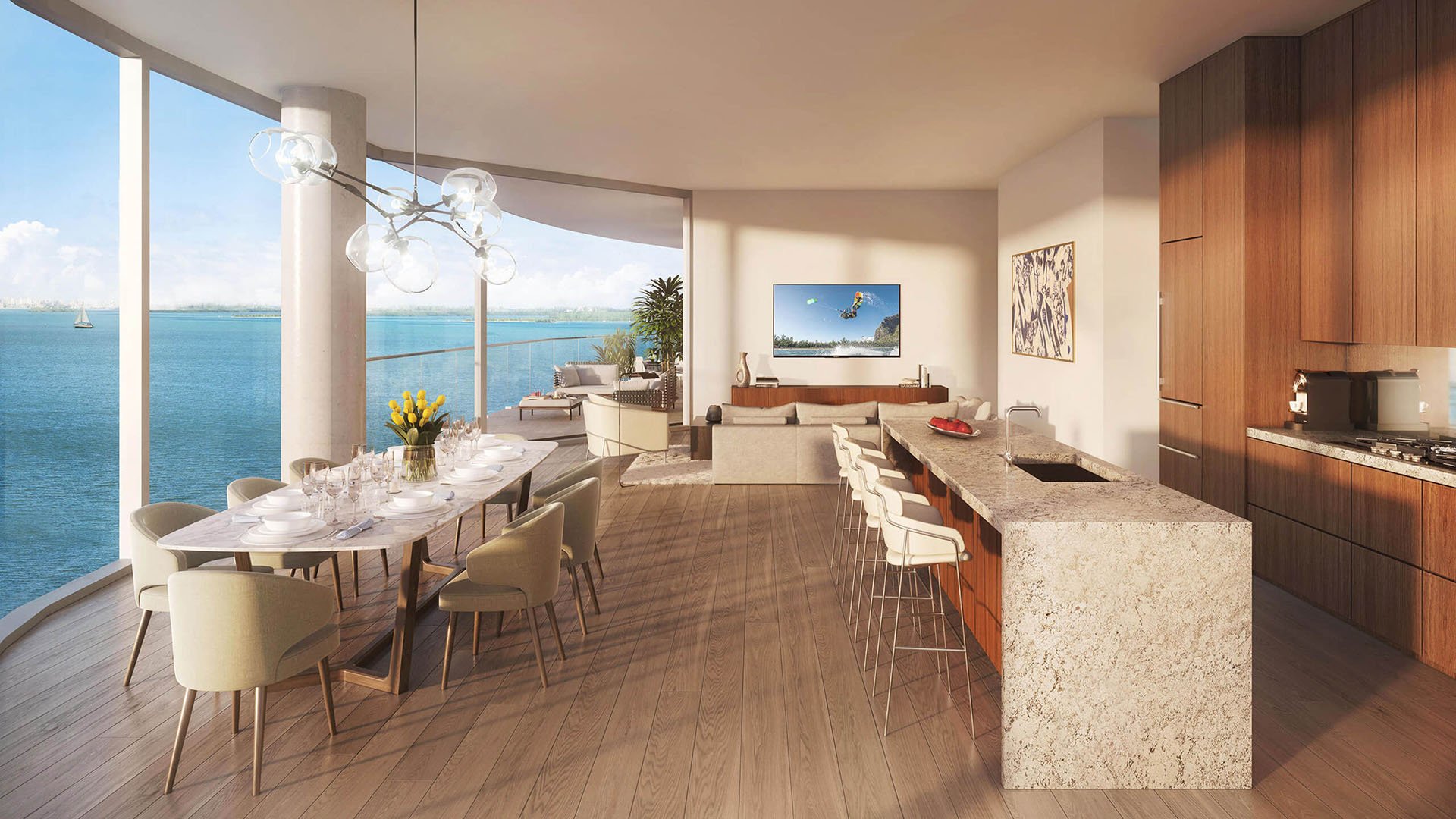
A guest suite is no longer a courtesy bedroom with a better pillow menu. For South Florida buyers, it has become a quiet form of domestic strategy. The right suite can accommodate visiting family, adult children, grandparents, a nanny, a private chef on assignment, or a friend staying through a long weekend without requiring the household to reorganize around the visit.
The issue is not simply space. Many large residences still create friction because the extra bedrooms sit too close to the primary suite, share a bath, lack luggage storage, or require guests to cross the home at awkward times. A well-planned suite reduces those small collisions: morning routines, late arrivals, different sleep schedules, work calls, beach gear, pets, and the question of who controls the temperature at night.
For buyers comparing South Florida options, the most valuable guest-suite residences solve three problems at once. They give guests dignity, preserve the owner’s privacy, and keep service, storage, and circulation intuitive. That is the difference between having more rooms and having a home that hosts gracefully.
1. Split-plan condominium - privacy by distance
The strongest condominium layout for frequent guests places secondary suites away from the primary bedroom rather than clustering every sleeping room along one corridor. This format allows a visiting couple, parent, or adult child to keep a different schedule without waking the owner or moving through the private end of the residence.
The best versions include en-suite baths, closets sized for real luggage, and a path from the entry to the guest room that does not pass directly through the primary living zone. In a high-rise setting, that separation can make a residence feel calmer even when the footprint is not estate-sized.
2. Estate with a detached or semi-detached suite - independence without distance
For buyers who host longer stays, a detached or semi-detached guest suite can be the most frictionless arrangement. It gives guests the psychological comfort of a private retreat while keeping them close enough to join meals, pool time, or family routines without ceremony.
This is especially useful when guests include grandparents, college-age children, or friends staying for more than a few nights. The key is balance: the suite should not feel exiled, but it should have enough autonomy that the main house never reads as a hotel lobby.
3. Townhouse with a distinct guest level - vertical separation
A townhouse can work beautifully for guest privacy when one level is naturally suited to visitors. A ground-level suite, for example, can create a dignified arrival pattern and reduce elevator or stair encounters between household members on different schedules.
This format is particularly effective when the suite has its own bath, a nearby sitting area, and access that feels intentional rather than improvised. In compact urban neighborhoods, vertical separation can substitute for the horizontal spread of an estate.
4. Full-service residence with a flexible secondary suite - hospitality plus support
In a serviced condominium, a secondary bedroom becomes more effective when the building’s lifestyle support reduces what the owner must manage inside the unit. Valet routines, package handling, wellness amenities, and attentive common areas can make guest stays feel polished without adding domestic workload.
The suite itself still matters. A room that can shift between guest use, office use, and quiet retreat offers resilience, especially for owners who split time between South Florida and another primary home. Flexibility is valuable only when the room remains comfortable in each role.
5. New-construction residence with planned service circulation - friction solved early
New-construction buyers should study not only finishes, but also how people move through the home. A residence that separates service access, laundry, storage, guest arrival, and private sleeping areas can prevent the everyday interruptions that make hosting feel burdensome.
In this format, the best guest-suite planning is often invisible. Doors align well, bags have a place to go, towels are nearby, and guests can make coffee or step outside without feeling they have entered the owner’s private world. The luxury is not theatrical; it is the absence of strain.
The guest room should be evaluated as a small residence within the residence. A private bath is the first threshold, but it is not the last. Closet depth, luggage space, bedside outlets, blackout capability, acoustic separation, and a comfortable chair can all determine whether guests feel settled or temporary.
Pay attention to the route from the front door. If guests must cross the kitchen while the household is having breakfast, or pass the primary suite to reach their room, the layout may work for one night but wear thin over repeated visits. The most elegant plans give guests a natural path that is legible from the moment they arrive.
Terraces and outdoor access also deserve scrutiny. A guest suite near a terrace can be a gift, but only if the outdoor space does not become a corridor for everyone else. In South Florida, where outdoor living stretches the social day, the relationship between guest quarters and terraces can either support privacy or erode it.
The right residence format often depends on how the buyer lives in South Florida. A Brickell buyer may prioritize a split-plan condominium that lets visiting family enjoy the city while the owner maintains a workday rhythm. In Miami Beach, the guest-suite question often intersects with weekend entertaining, beach routines, and the need for quiet recovery after social evenings.
A Coconut Grove buyer may value a more residential cadence, where a guest suite supports relatives staying through school breaks or seasonal visits. On Fisher Island, privacy expectations can be especially high, making the independence of guest quarters central to how a home is experienced. In Sunny Isles, a high-floor residence with generous secondary suites can appeal to buyers who host international family or long-stay friends.
New-construction should not be treated as a guarantee of good guest planning. A new residence can still place bedrooms poorly or overlook storage. Conversely, an established home can perform exceptionally well if its rooms, circulation, and service areas create a natural etiquette of separation.
Friction often begins with details that look minor on a floor plan. A shared powder room that guests overuse, a laundry room beside a bedroom wall, or a media room that doubles as an overflow sleeping area can all become points of irritation. The best residences anticipate these moments.
Acoustics matter, especially in homes where guests may be arriving from different time zones or keeping different hours. A guest suite near an elevator, garage, or service corridor should be assessed carefully. So should a room directly beneath an active terrace or above a family room. Privacy is not only visual; it is acoustic and behavioral.
Climate control is another understated luxury. If the guest suite cannot be cooled or warmed comfortably without affecting the primary bedroom or main living areas, the home may create nightly negotiations. The same applies to lighting. A guest should be able to navigate the suite in the evening without illuminating the entire household.
Finally, consider what happens after the guest leaves. Easy linen storage, nearby laundry access, durable surfaces, and a sensible path for housekeeping can make the difference between effortless hosting and recurring disruption. A home that resets easily will be used more generously.
Start with the guest you host most often, not the guest you host once every five years. A residence designed around rare events can feel compromised in daily life. If the regular visitor is a parent, prioritize accessibility and quiet. If it is an adult child, autonomy may matter more. If it is a rotating group of friends, en-suite baths and storage become essential.
Then test the layout against real moments. Where does a guest enter after a late dinner? Where do beach bags go? Can someone make an early coffee without waking the household? Can the owner retreat without seeming unavailable? These questions reveal whether a residence has true hospitality intelligence.
The most successful South Florida homes do not announce that they are solving household friction. They simply allow people to be together and apart with ease. That is the highest standard for a guest suite: it lets generosity feel effortless.
What makes a guest suite better than a spare bedroom? A true guest suite usually has privacy, a dedicated bath, storage, and a circulation pattern that does not intrude on the owner’s daily routine.
Is a detached guest suite always the best option? Not always. It is excellent for long stays, but a well-separated condominium suite can be more practical for buyers who prefer a lock-and-leave lifestyle.
Should buyers prioritize bedroom count or suite quality? Suite quality is often more important. A smaller number of well-placed en-suite bedrooms can live better than more rooms with poor privacy.
Why does circulation matter so much? Circulation determines how guests move through the residence. Good circulation reduces awkward encounters and protects the owner’s private zones.
Can a townhouse work for frequent guests? Yes, especially when one level functions as a distinct guest area with its own bath and a clear sense of separation.
What should buyers check during a showing? Walk from the entry to the guest suite, test sightlines, listen for noise, and consider where luggage, towels, and guest belongings would go.
Are flexible rooms a good substitute for guest suites? They can be useful, but only if they offer comfort, privacy, and easy conversion without making the home feel improvised.
How important is an en-suite bath? For luxury buyers, it is highly important. Shared baths often create the very household friction a guest suite is meant to avoid.
Do service amenities reduce pressure on the residence itself? They can. In full-service buildings, strong support can make hosting easier, but the in-unit layout still needs to function well.
What is the best way to shortlist comparable options for touring? Start with location fit, delivery status, and daily lifestyle priorities, then compare stacks and elevations to validate views and privacy.
For a confidential assessment and a building-by-building shortlist, connect with MILLION.
If branded residences are on your mind — as a home or as an allocation — we would be glad to share what we are seeing, privately.
Begin a quiet conversation