Five ultra-premium South Florida residences considered through the lens of trust ownership, permanent occupancy and potential Florida homestead eligibility.
For an affluent buyer choosing a South Florida primary residence, the most consequential decision may come before the deed is signed. Florida homestead treatment does not attach simply because a condominium is prestigious, oceanfront or designed for full-time living. The controlling questions apply statewide: who owns the residence, who occupies it as a permanent home, and what legal or equitable rights the occupant holds.
A trust beneficiary may have sufficient equitable title when the trust grants a present right to use and occupy the property. Simply living in a trust-owned residence is not enough if the instrument provides no present possessory right. For trust-held property, the beneficial or equitable title generally must endure for life rather than be limited to personal property or a fixed term of years.
For homestead planning, the quality of the resident's ownership interest matters more than the prestige of the building.
This distinction is especially important for buyers using entities for privacy, succession planning or asset administration. A revocable living trust can generally preserve eligibility when the resident retains beneficial ownership and uses the property as a permanent home. By contrast, a standard LLC generally cannot receive the homestead exemption or the constitutional protection available to an individual or qualifying trust beneficiary.
The following ranking considers each residence's practical suitability for ultra-premium, full-time living in conjunction with a carefully structured trust. It does not suggest that any building confers or guarantees homestead eligibility.
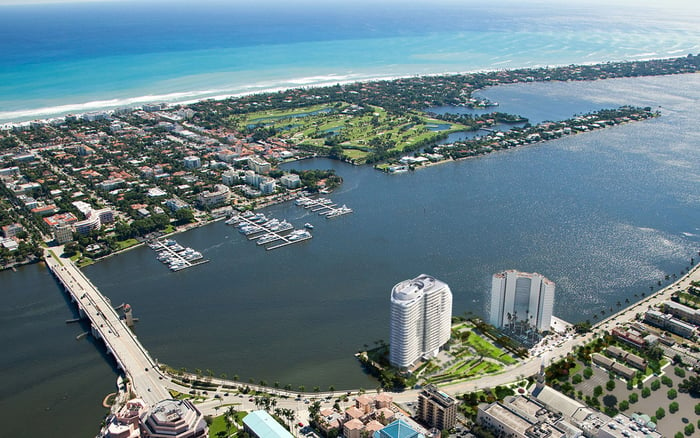
1. The Bristol - 1100 S Flagler Drive, West Palm Beach
The Bristol leads for its large waterfront residences and documented estate-planning activity. Purchasers acting as trustees of an irrevocable trust acquired a four-bedroom condominium for more than $19 million, demonstrating that sophisticated trust ownership is not merely theoretical at this address.
That transaction does not establish homestead eligibility for another owner. The decisive question remains whether the occupying beneficiary holds the necessary lifetime beneficial or equitable interest under the trust and satisfies the usual permanent-residency requirements.
2. Faena House - 3315 Collins Avenue, Miami Beach
Faena House offers a boutique oceanfront setting for buyers who want a primary home within the Faena District. For a trust-held unit, the resident beneficiary needs more than permission to stay there. The trust should convey a present right to use and occupy the real property.
The distinction between occupancy and qualifying title is fundamental. Residence alone cannot replace the legal or equitable interest required for homestead treatment.
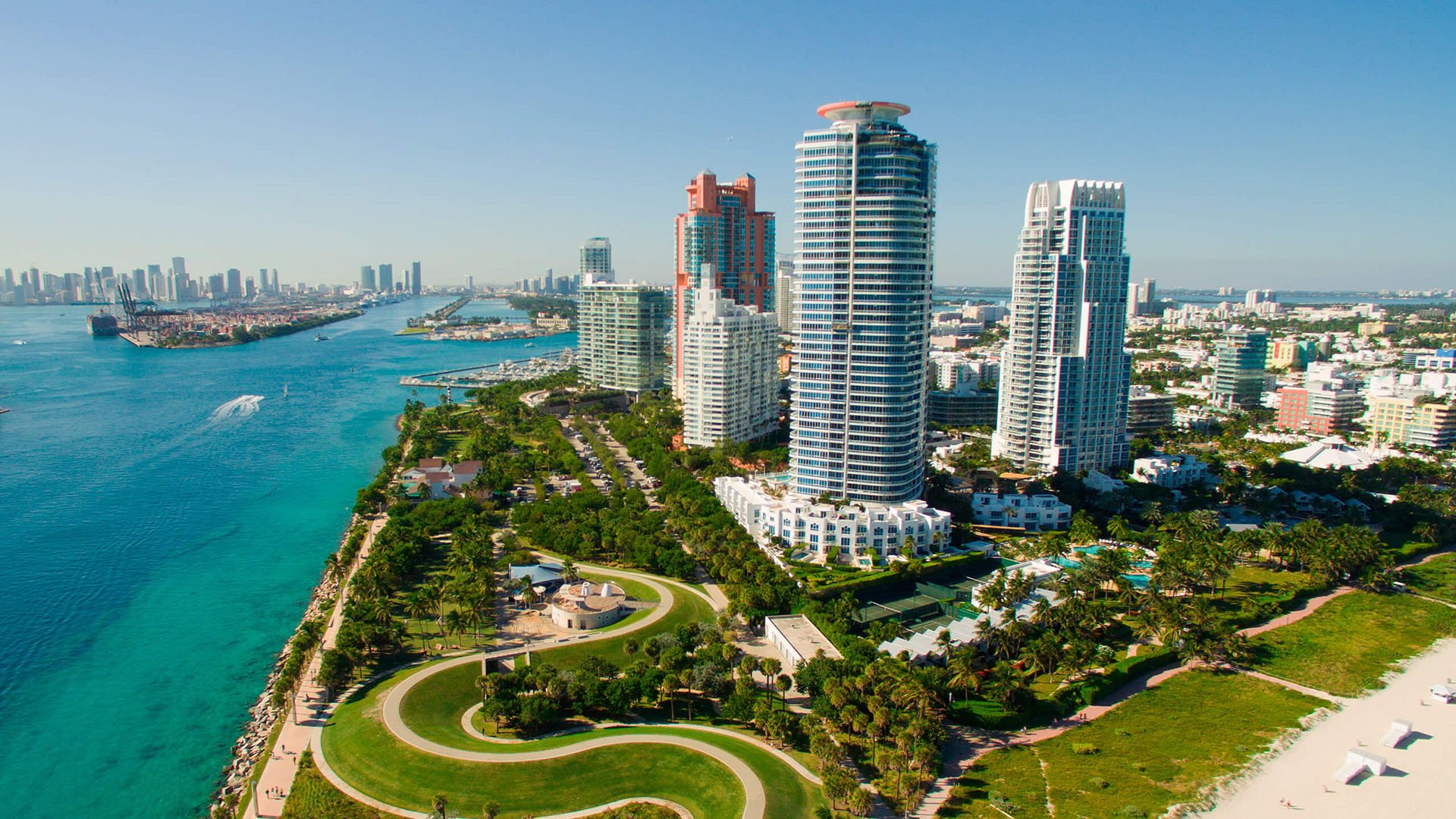
3. Continuum on South Beach - 100 to 300 S Pointe Drive, South of Fifth
Continuum on South Beach ranks third for its resort-style, full-time residential positioning. Its appeal as a permanent home does not alter the ownership test: a resident seeking homestead through a trust should hold equitable title and a present possessory interest for life.
A right measured only by a term of years generally does not satisfy the requirement, even when the beneficiary lives in the residence. Precise drafting is therefore essential before title is accepted or transferred.
4. The Estates at Acqualina - 17901 Collins Avenue, Sunny Isles Beach
The Estates at Acqualina offers house-scale luxury for buyers considering a permanent oceanfront base. Its ranking also underscores a critical structural choice: buyers seeking homestead potential should generally consider a qualifying trust rather than placing the primary residence in a standard LLC.
An irrevocable trust is not automatically disqualified. Its terms must, however, grant the resident the specific equitable ownership and occupancy rights Florida requires. Merely naming that person as settlor or beneficiary is insufficient.
5. Four Seasons Private Residences Fort Lauderdale - 525 N Fort Lauderdale Beach Boulevard
This service-oriented Fort Lauderdale residence is a compelling Broward candidate for buyers seeking a primary home supported by a high-touch residential environment. Trust ownership may preserve homestead potential when the resident beneficiary receives qualifying lifetime occupancy rights and otherwise meets ordinary residency criteria.
The deed also forms part of the analysis. When a residence is transferred into a trust or land trust and homestead treatment is sought, the transfer deed must be recorded.
The ranking spans three distinct South Florida lifestyles, but none alters the governing legal test. In Palm Beach County, buyers drawn to the scale of The Bristol Palm Beach should align the trust instrument, deed and intended occupancy before closing. A trust purchase at the building demonstrates relevance, not automatic approval.
In Miami Beach, the boutique character of Faena House Miami Beach and the full-time resort positioning of Continuum on South Beach present different residential expressions. In either case, the same question controls: does the occupying beneficiary possess a present, qualifying interest in the real property for the required duration?
For house-scale living in Sunny Isles Beach, The Estates at Acqualina Sunny Isles brings the trust-versus-entity decision into sharp focus. A corporation, partnership, LLC or nonqualifying irrevocable trust can jeopardize constitutional homestead protection. Buyers should not assume that an entity chosen for another asset will be appropriate for a permanent residence.
Farther north, Four Seasons Hotel & Private Residences Fort Lauderdale suits a service-oriented primary-residence brief. The resident must still occupy the trust-owned property as a permanent home and satisfy the criteria that would apply under direct ownership.
Fee-simple title in the occupant's individual name is not always necessary. A properly drafted beneficial interest can support eligibility, and a beneficiary expressly granted a qualifying life estate may qualify for the homestead tax exemption. A Florida land-trust trustee may also qualify when the trustee holds the necessary legal or equitable ownership rights and meets the remaining requirements.
The practical lesson is that labels do not determine outcomes. “Revocable,” “irrevocable,” “beneficiary” and “trustee” describe a structure, but they do not by themselves establish a present possessory interest or lifetime equitable title. The operative provisions must grant the resident enforceable rights in the real property, followed by actual permanent occupancy.
Buyers should also distinguish among related protections. The homestead tax exemption, assessment limitations, restrictions on devise and constitutional creditor protection are connected, but not interchangeable. A structure suitable for one objective should not be presumed to satisfy every other objective.
Before signing a contract or retitling an existing residence, have Florida trust and real-estate counsel review the proposed owner, trust instrument and deed together. Confirm that the intended resident receives a present right to use and occupy the property, along with the beneficial or equitable interest required for the contemplated homestead treatment.
Counsel should also determine whether the interest lasts for life rather than a defined term, whether the transfer deed will be properly recorded, and whether the resident can substantiate permanent occupancy and Florida residency. If an LLC or other entity is under consideration, the team should assess whether its privacy or administrative benefits justify the potential loss of homestead protections.
Finally, legal eligibility does not override private obligations. Condominium approval procedures, building rules and lender requirements may independently determine whether and how a trust or entity can take title. Coordinating these matters before closing is considerably more elegant than repairing the structure after acquisition.
For discreet guidance on South Florida's finest primary residences, connect with MILLION.
If branded residences are on your mind — as a home or as an allocation — we would be glad to share what we are seeing, privately.
Begin a quiet conversationNo. Florida homestead rules apply statewide, and eligibility depends on ownership rights, permanent occupancy and residency rather than the building.
Potentially. The resident beneficiary generally needs qualifying beneficial or equitable title and a present right to use and occupy the property.
No. Occupancy alone is insufficient when the trust gives the beneficiary no present possessory right in the real property.
Generally, yes, when the resident retains beneficial ownership, occupies the property permanently and meets the ordinary eligibility requirements.
It is not automatically disqualified. Eligibility depends on whether its terms provide the resident with the required equitable and lifetime occupancy rights.
A standard LLC generally cannot receive the homestead exemption or constitutional protections available to an individual or qualifying trust beneficiary.
A beneficiary specifically granted a qualifying life estate may be eligible because fee-simple ownership is not always required.
Generally not. A possessory interest lasting only for a term of years usually does not satisfy Florida homestead requirements.
Yes, the transfer deed must be recorded when seeking homestead treatment for trust-held or land-trust property.
Counsel should review the trust instrument, proposed deed, lifetime occupancy rights, equitable interest, residency plan, lender requirements and condominium procedures.