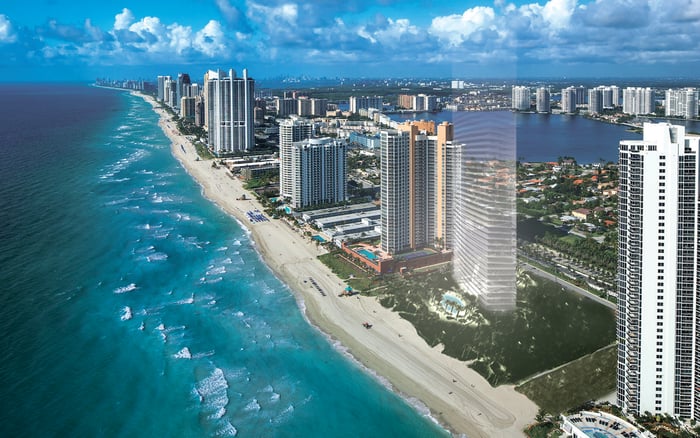
A discreet operating framework for Monaco families who divide their year between South Florida and Europe, covering humidity control, local authority, hurricane procedures, physical inspections, and a disciplined return protocol.
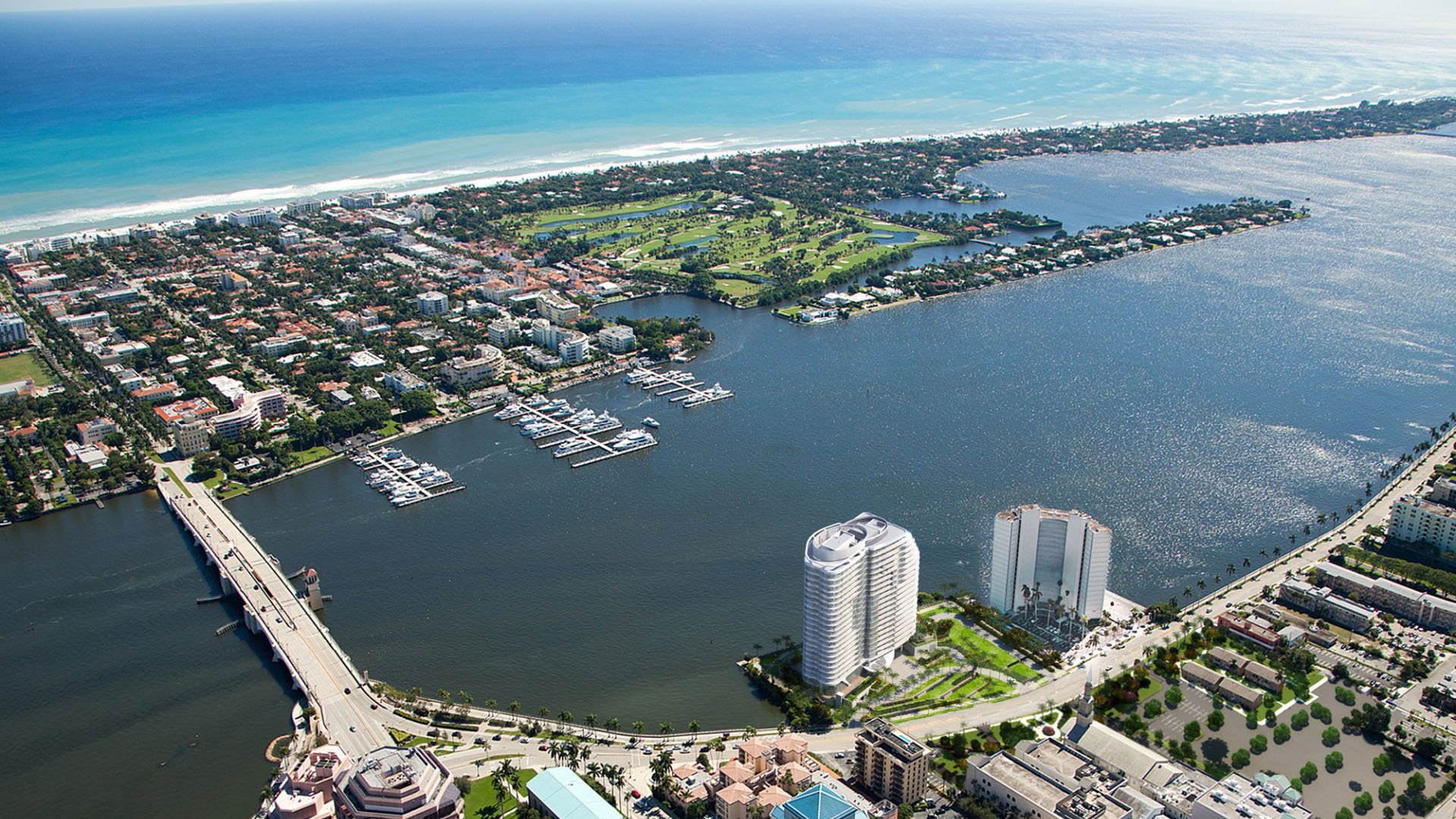
For a Monaco family, a South Florida residence may alternate between intensive winter use and long periods of summer vacancy. The essential planning question is not simply who holds the keys, but whether the home can be monitored, maintained, and protected while its owners are several time zones away.
A successful arrangement combines environmental control, physical verification, and delegated authority. Technology can flag a change in indoor conditions or a system interruption, but a local representative must be prepared to enter the property, assess the situation, and coordinate the appropriate response.
Remote visibility is valuable only when a trusted person can act on it locally.
Preparation should begin with a written calendar shared among the family, household staff, building management, and the appointed estate manager or home-watch provider. Record the final occupied night, housekeeping visits, approved contractor access, expected guest stays, and planned reopening date. Route changes through one designated coordinator so that access records and responsibilities remain clear.
Before an extended absence, test remote thermostats, humidity sensors, alarm access, backup batteries, and keyholder credentials. Confirm who receives each alert, who acknowledges it, and how an unanswered notification moves to an alternate contact. The management agreement should also identify who may contact technicians or mitigation specialists when the owner is unavailable.
This operational review belongs alongside title, association, and insurance diligence. A residence should be evaluated not only for its architecture and outlook, but also for how confidently it can be supervised from abroad.
South Florida summer occupancy planning should address indoor moisture as well as temperature. Air conditioning, humidity controls, sensors, and any supplementary equipment should be configured for the individual residence rather than left to a generic setting.
Remote readings are most useful when they establish a consistent baseline and trigger a defined response to unusual changes. Sensors should cover more than one area where appropriate, including enclosed rooms or other spaces that may behave differently from the main living area.
Technology should not substitute for physical inspections. A representative can confirm that systems are operating and look for condensation, odors, staining, or signs of water intrusion that may not appear on a dashboard. Any equipment or operating schedule should be reviewed with qualified local professionals familiar with the residence.
Every alert needs a predefined action. The written protocol should identify the primary decision-maker, an alternate contact, the local keyholder, building management, and the approved contractors who may be called. It should distinguish between a reading that requires monitoring and an event that calls for immediate attendance at the property.
Preauthorization helps prevent delays when Monaco-based owners are unavailable. A practical mandate can set approval boundaries, documentation expectations, and the point at which the family must be consulted. It should also explain how photographs, invoices, access logs, and follow-up reports will be stored and shared.
For waterfront homes and condominium residences, the inspection brief should remain property-specific and coordinated with the building or community. After an incident, the local representative should document conditions, arrange access for qualified contractors, and continue monitoring the affected area until the operating team is satisfied that the residence is stable.
Condominium and community storm procedures vary. Before departure, owners should obtain the current written requirements governing protective systems, unit access, vendor credentials, installation timing, removal timing, and post-storm inspections.
The local mandate should expressly address who may arrange protective measures, enter the residence, inspect windows and doors, and coordinate repairs. Owners should also confirm which responsibilities belong to the association and which remain with the residence owner instead of relying on assumptions or past practice.
Vehicles, boats, terraces, outdoor furnishings, and storage areas may require separate planning when relevant to the property. Each item should have a named responsible party and a documented action rather than an informal expectation.
The operating framework applies across South Florida, although execution differs by association and property type. A family considering The Perigon Miami Beach should request the current access, storm, and emergency-notification procedures for that specific property. The same review is important when considering St. Regis® Residences Sunny Isles in Sunny Isles Beach.
Farther north, prospective owners comparing The Ritz-Carlton Residences® West Palm Beach can align local management coverage with the family's travel calendar. In Broward, those reviewing Four Seasons Hotel & Private Residences Fort Lauderdale can apply the same diligence to building access, management communication, and contractor coordination.
Project selection and property operations should be considered together. The relevant test is whether alerts, access permissions, association procedures, and contractor response can function as one coordinated system while the owner is abroad.
Before the family's return, schedule an in-person inspection rather than relying only on the latest dashboard reading. Review service records, confirm that alarms and access credentials remain functional, inspect enclosed spaces, and resolve outstanding maintenance before the residence is occupied again.
The arrival plan should also confirm housekeeping, deliveries, vehicle readiness, and any staff access required for reopening. A concise condition report gives the family a clear record of what was checked and what, if anything, remains pending.
A well-run seasonal residence should feel effortless on arrival because the complex work happened quietly in advance. For discreet guidance on selecting and operating a South Florida residence from abroad, connect with MILLION.
If branded residences are on your mind — as a home or as an allocation — we would be glad to share what we are seeing, privately.
Begin a quiet conversationCreate a shared occupancy calendar, test monitoring systems, verify access credentials, and assign local responsibilities in writing.
No. Remote systems can flag changes, while a local representative can verify conditions throughout the residence.
Alerts should go to a designated decision-maker and a local representative, with an alternate contact available if needed.
The written mandate should define property access, contractor coordination, documentation duties, and approval boundaries.
Configure cooling, moisture controls, and sensors for the individual residence with guidance from qualified local professionals.
The protocol should identify who reviews the alert, who attends the property, and how the response is documented.
No. Owners should obtain the current written procedures for their specific building or community.
Confirm access, protective measures, vendor credentials, inspections, and the division of duties between the owner and association.
Review how building access, management communication, monitoring, and contractor response will function while the owner is abroad.
Arrange an in-person inspection, review service records, test access and alarm systems, and resolve outstanding maintenance.