Valet-only parking deserves the same scrutiny as a residence’s floor plan. These five questions help Miami condo buyers evaluate costs, retrieval times, vehicle protection, practical alternatives and continuity of service.
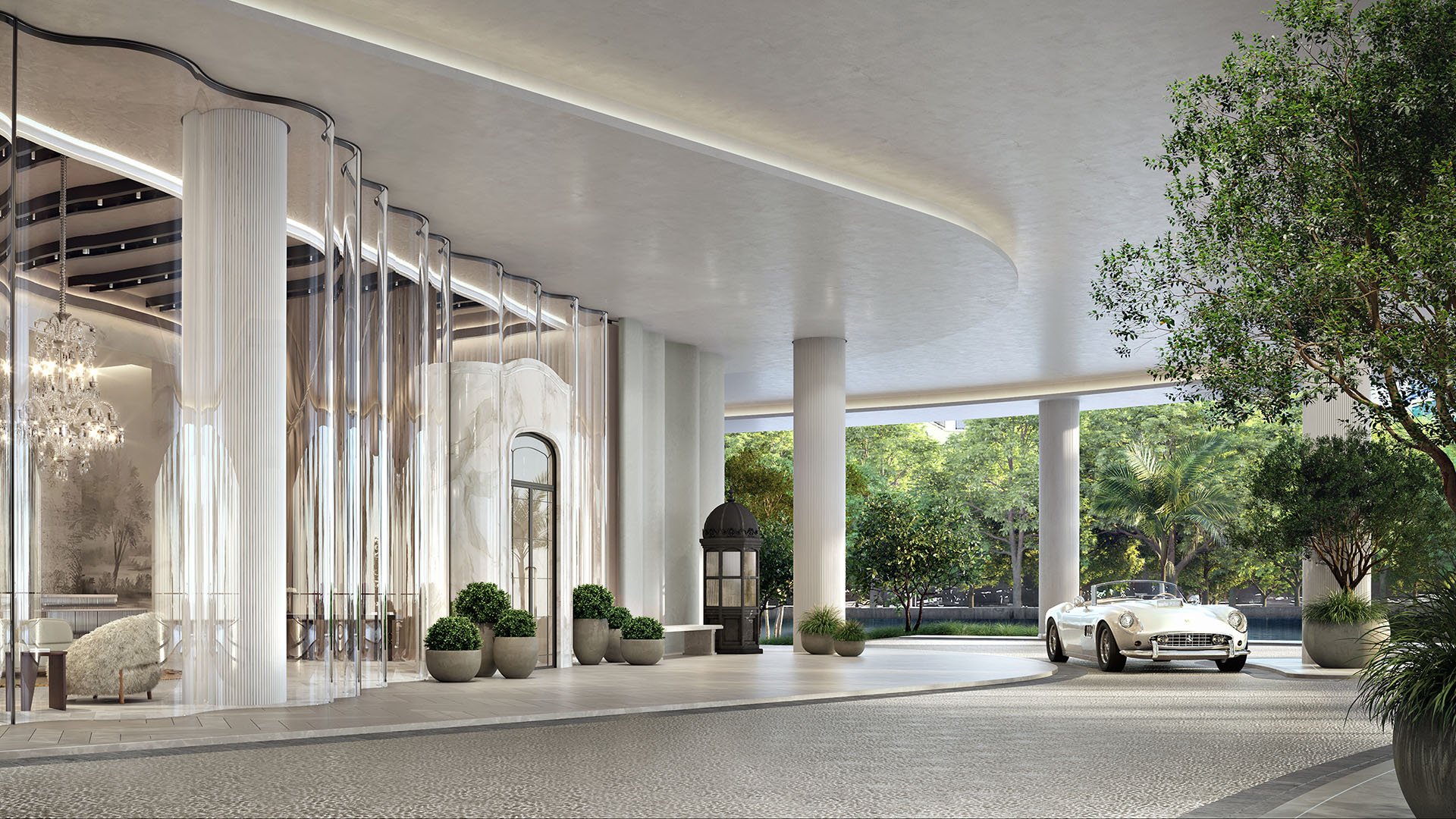
A seamless arrival is part of the appeal of a Miami condominium. For an owner who drives daily, however, valet-only parking is more than a hospitality detail. It shapes daily departures, visits from family, arrangements for additional vehicles and unexpected changes of plan. Assessing lifestyle fit starts with understanding the service behind the entrance.
The first distinction is fundamental: valet availability does not mean a building is valet-only. Nor does complimentary parking define every vehicle entitlement, guest charge or operating condition. When evaluating a residence at Baccarat Residences Brickell, ask for the unit-specific parking terms rather than presuming a particular service model.
The five questions below rank buyer-diligence priorities, not buildings. Before evaluating any answer, confirm whether self-parking is permitted and which written documents govern parking for the particular residence. Guest accommodation rates should never substitute for an owner-specific parking schedule.
1. What is the complete parking cost, and what does “included” cover? - Total ownership expense
Request a written breakdown covering residents, visitors, additional cars and overnight stays. Ask whether parking is funded through association assessments, billed separately or included only within a defined allowance. Establish whether the entitlement follows the unit and whether different rules apply when an owner leases the residence.
Consider duration, user category and inclusion separately. Ask management to price your household’s actual arrangement rather than accepting a single headline figure.
2. How quickly can I retrieve my car during peak periods? - Daily usability
Round-the-clock access and prompt retrieval are different promises. A description of 24-hour valet alone establishes neither a retrieval standard nor whether charges are included. Ask management how requests are submitted, how peak periods are staffed and whether residents can request vehicles before reaching the lobby.
Request any written service standard and clarify whether quoted waits are targets or commitments. If practical, observe the operation at hours that match your routine. A quiet midday visit cannot establish how the service would accommodate an early departure or an evening return. Do not assume a specific retrieval time without confirmation.
3. Who handles vehicle damage, theft and insurance claims? - Responsibility for loss
Obtain the valet operator’s legal name, insurance information, ticket terms and written claims procedure. Ask who receives a claim, how an incident is documented and what deadlines or conditions apply. Clarify the respective roles of the operator and association rather than treating the front desk as the sole point of responsibility.
A complimentary service description does not establish liability or insurance protection. Have your insurance adviser review the available information against your own coverage, particularly if you intend to keep a valuable vehicle at the property. The aim is not to assume a loss will occur, but to understand the response before handing over the keys.
4. What alternatives exist for self-parking, guests, EVs and oversized vehicles? - Practical compatibility
Ask where each vehicle will be stored and whether residents may access parking themselves. Clarify whether any included parking is on-site or off-site, and distinguish access to a space from access to valet service.
Confirm guest access, accessibility arrangements, vehicle dimensions and any restrictions affecting your cars. For an electric vehicle, request the charging procedure, availability, charges and responsibility for moving the car after charging. Do not assume charging access or capacity. If parking is off-site, ask how handover and retrieval work in practice.
5. What happens if service stops, the operator changes or fees rise? - Continuity and control
Ask the association for relevant contractual service commitments, operator-replacement procedures and emergency parking plans. Establish who can change rates, what notice the applicable documents require and how owners would access vehicles during an interruption. Ask management about storm arrangements rather than assuming they are part of the service.
Obtain a written explanation of fee-setting authority during the purchase review. Distinguish the terms applicable to owners from any guest parking terms, and confirm which provisions govern the residence you are considering.
When considering Cipriani Residences Brickell alongside other residences, use the same parking questionnaire. This is a comparison framework, not an assertion about that project’s parking arrangements. Ask each sales or management team to distinguish proposed services, current operating rules and rights documented for the unit.
A useful comparison records four things separately: the household’s vehicle allowance, the complete cost, the physical parking arrangement and the service commitment. Keeping those categories distinct prevents a generous-sounding amenity description from obscuring an inconvenient restriction. It also clarifies which answers remain verbal and which can be relied upon in the purchase review.
For a residence under consideration at The Residences at 1428 Brickell, apply the same document-first discipline without presuming a particular valet model. Request the declaration, any parking addendum, current rules and fee schedule, relevant service-contract provisions and insurance information.
Ask your real estate attorney to reconcile the unit’s parking provisions with the operating description. Distinguish a designated space from permission to use a service, and an advertised benefit from a documented obligation. If an answer affects the purchase decision, seek written confirmation tied to the residence rather than a general explanation of the building.
The best parking arrangement supports the way you actually live. Consider regular departures, visiting guests, a second car and charging needs together, then test those requirements against the written terms. An attractive arrival sequence is only one part of that assessment.
A considered decision does not require rejecting valet-only parking. It requires knowing what is included, who is responsible and what happens when normal service changes.
For a considered approach to your next South Florida residence, explore MILLION.
If branded residences are on your mind — as a home or as an allocation — we would be glad to share what we are seeing, privately.
Begin a quiet conversationNo. Confirm whether self-parking is permitted and which parking rules apply to the residence.
Not necessarily. Request written confirmation of resident allowances, additional-car charges, visitor fees and overnight terms.
No. Request an owner-specific fee schedule rather than relying on guest accommodation rates.
No. Round-the-clock availability does not establish a retrieval time; ask for written service standards and peak-period arrangements.
Request the operator’s legal name, insurance information, ticket terms and written claims procedure. Have your insurance adviser review these alongside your own coverage.
Ask management to identify the storage location and confirm whether it is on-site or off-site. Clarify how handover and retrieval would work.
Ask about charging access, availability, fees and who moves the vehicle after charging. Do not assume charging is included in valet service.
Verify who has authority to change fees and what notice the applicable documents require. Obtain the explanation in writing for the residence under consideration.
Request the declaration, any parking addendum, current fee schedule, rules, relevant service-contract provisions and insurance information.
Ask how owners retrieve vehicles if service stops, how operators are replaced and what emergency parking arrangements apply. Obtain written confirmation rather than assuming these procedures exist.