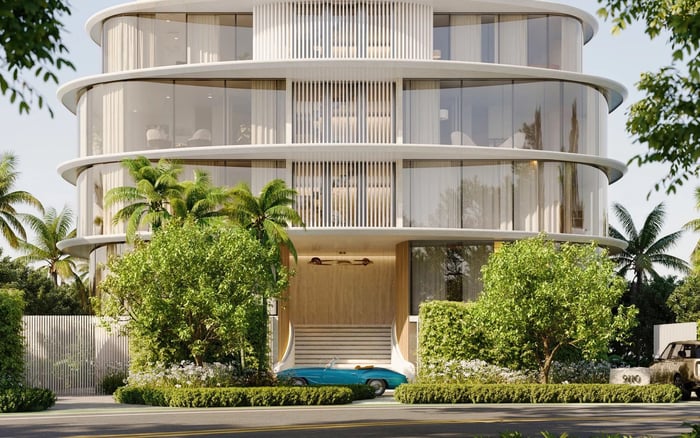
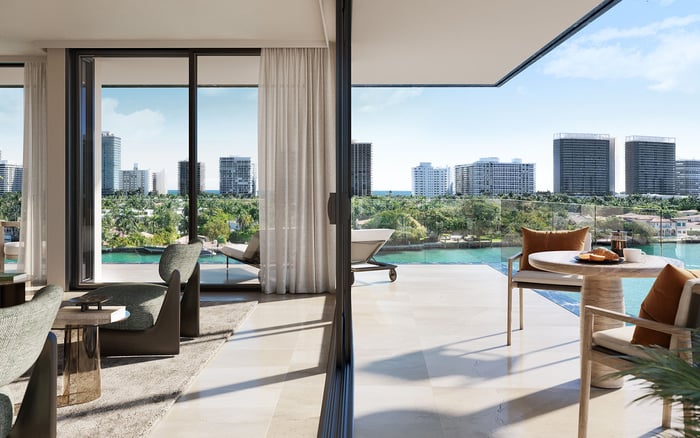
A buyer-focused editorial shortlist of five Pompano Beach luxury residential projects to evaluate for multi-generational ownership, with emphasis on floor plans, privacy, timing and ownership terms.

A residence intended for several generations requires more than an appealing coastal setting. Buyers may need private sleeping areas, comfortable shared rooms, practical circulation and enough flexibility to accommodate changing household needs over time.
This editorial ranking presents five Pompano Beach luxury residential projects as starting points for further review. Because suitability depends on the specific residence and the family using it, buyers should verify current floor plans, availability, pricing, completion status and ownership documents before making comparisons.
Salato leads this shortlist as a project for buyers to examine when planning a shared South Florida residence. The key question is whether an available floor plan provides the separation, shared living space and day-to-day practicality the household requires.
Prospective owners should review the exact residence rather than relying on a building-level impression. Bedroom placement, bathroom access, storage and movement between private and common areas can materially affect how comfortably several generations use a home.
Waldorf Astoria Residences Pompano Beach is the second project in the ranking. Families considering it should compare available layouts according to actual occupancy needs, including whether relatives will visit occasionally or remain for extended periods.
Buyers should also confirm the current development timeline and all residence-specific terms. Brand recognition does not replace a detailed review of the home’s usable space, privacy and long-term fit.
W Pompano Beach Hotel & Residences takes the third position. For multi-generational buyers, an important part of the review is understanding the precise ownership structure and how the selected residence functions within the broader property.
The household should evaluate bedroom separation, gathering areas, storage and arrival patterns. Any rental, hotel or usage provisions should be confirmed through the applicable documents rather than assumed from the project name.
Armani Casa Residences Pompano Beach ranks fourth as another branded residential option for comparison. Design may influence the shortlist, but a multi-generational decision should remain grounded in the functionality of the specific floor plan.
Families should test how the layout would work during both quiet periods and full-house visits. Current plans, timing, availability and purchase terms require direct verification.
Ocean 580 Pompano Beach completes the five-project ranking. It should be assessed using the same disciplined criteria as the branded entries, particularly privacy, circulation and the relationship between bedrooms and shared rooms.
A buyer should confirm all current project and residence details before deciding how it compares with the other four candidates. The most suitable choice will depend on the household’s needs rather than ranking position alone.
Before comparing residences, identify who will use the home, how long each person is likely to stay and whether everyone will occupy it at the same time. A family planning occasional holiday gatherings may need a different layout from one expecting parents, adult children and grandchildren to share the property for months.
The brief should distinguish essential features from preferences. Bedroom separation, accessible routes and adequate bathrooms may be nonnegotiable, while a particular interior style may be flexible. Buyers should also decide whether they need dedicated work areas, additional storage or adaptable rooms.
Do not assume that labels such as guest suite, den or primary bedroom guarantee a particular use. Dimensions, door locations, bathroom access and acoustic separation should be evaluated on the actual plan and, when possible, in the residence itself.
Timing can shape the entire purchase strategy. A household seeking near-term use should confirm whether the selected residence can support that schedule. A buyer considering a property under development should review the applicable documents and plan for the possibility that family needs may evolve before occupancy.
Ownership terms deserve equal attention. Buyers should examine restrictions, fees, reservation procedures and any provisions affecting occupancy or leasing with qualified legal and financial advisers. No project-wide description should substitute for residence-specific due diligence.
Luxury materials and amenities can enhance daily life, but they cannot correct a floor plan that lacks privacy or practical circulation. Families should walk through realistic scenarios: simultaneous arrivals, shared meals, remote work, quiet hours and extended stays.
A structured comparison can help. Record the number of usable bedrooms, bathroom relationships, storage options, shared-room capacity and accessibility considerations for each candidate. Then assess whether the residence can remain functional as the household changes.
The strongest multi-generational purchase is not necessarily the largest or most recognizable. It is the residence whose layout, timing and ownership framework align most closely with the family’s long-term plan.
What makes a residence suitable for multi-generational ownership? A suitable residence should balance private sleeping areas with comfortable shared spaces and practical circulation for the intended household.
Why should buyers review individual floor plans? Residences within the same project can differ in bedroom placement, bathroom access, storage and separation between private and common areas.
Should a branded residence automatically rank above a non-branded project? No. Brand identity should be considered alongside layout functionality, ownership terms, timing and the family’s specific needs.
What should families decide before touring residences? They should identify regular occupants, likely visit duration, simultaneous occupancy and any essential privacy or accessibility requirements.
Can buyers assume a den will work as a bedroom? No. The room’s dimensions, access, permitted use and relationship to a bathroom should be verified.
Why does construction timing matter? The expected occupancy schedule must align with the family’s plans, particularly when a residence is being considered before completion.
Which ownership details require review? Buyers should examine the applicable documents for fees, restrictions, occupancy provisions, leasing terms and other residence-specific obligations.
How should families compare amenities? Amenities should be assessed according to how the household will actually use them rather than their number or presentation alone.
What role should accessibility play? Buyers should consider routes through the residence and property in light of current and possible future mobility needs.
Is the first-ranked project automatically right for every family? No. The ranking is an editorial starting point, while the best fit depends on the selected residence and the household’s priorities.
For a discreet conversation and a curated building-by-building shortlist, connect with MILLION.
If branded residences are on your mind — as a home or as an allocation — we would be glad to share what we are seeing, privately.
Begin a quiet conversation