A privacy-focused ranking of five North Bay Village condominium opportunities, led by Continuum Club & Residences. The guide compares residential character, mixed-use activity, circulation, amenity planning, and the importance of reviewing formal condominium documents.
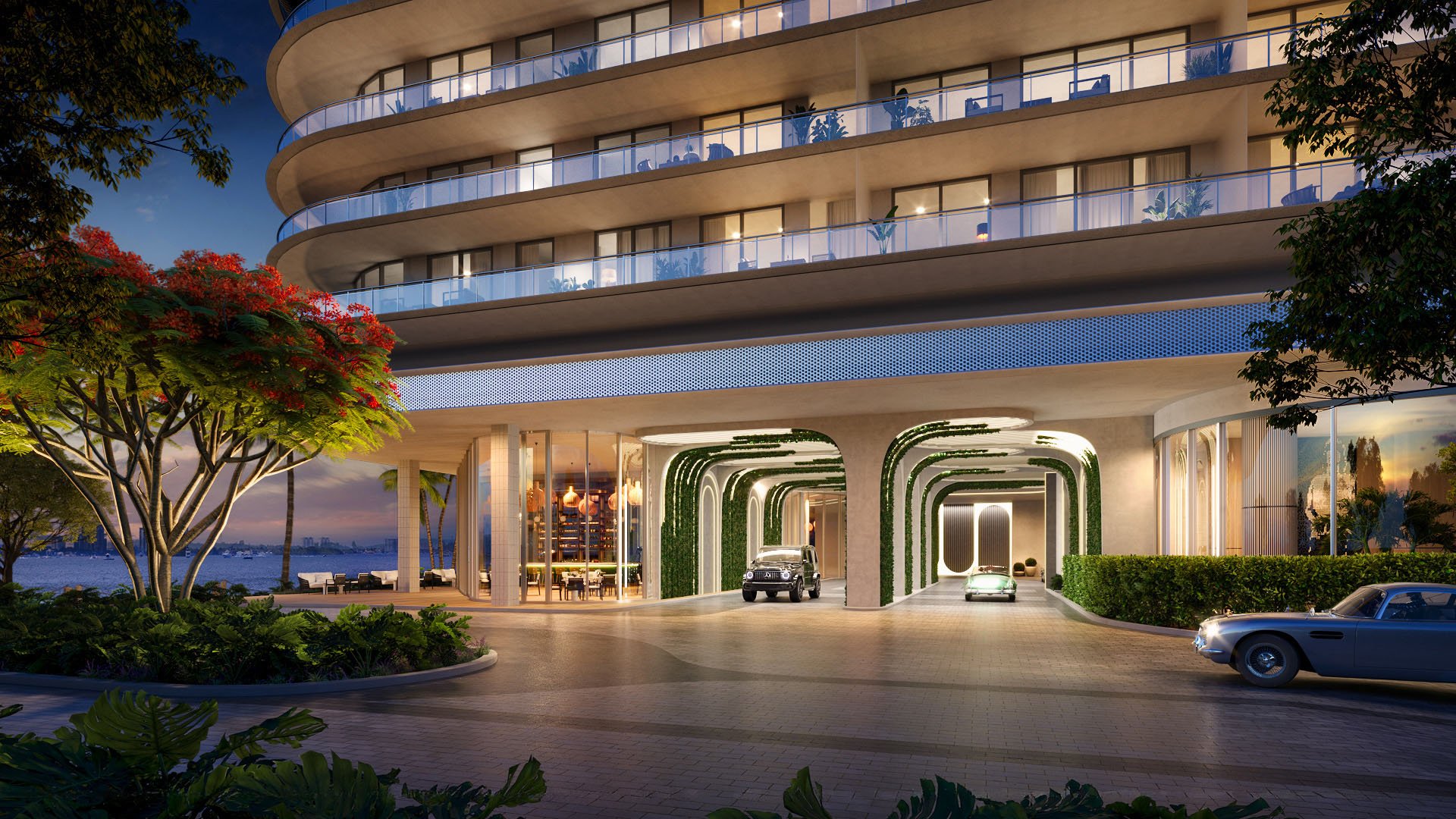
In North Bay Village, privacy is not simply a function of price or waterfront exposure. It is shaped by the relationship between the number of homes and shared spaces, the way residents and guests move through a building, whether commercial visitors cross residential paths, and how effectively a home extends into private outdoor space.
This buyer’s guide ranks five identified opportunities for those who place discretion ahead of spectacle. Low density is an editorial comparison here, not a developer classification. The most useful indicators include residential circulation, amenity planning, private terrace design, public-facing uses, and the level of detail available for buyer review.
The most private tower is often the one that manages circulation as carefully as design.
North Bay Village new construction remains a category that requires careful due diligence. Marketing may suggest exclusivity, but elevator allocation, guest policies, rental provisions, access separation, staffing, and operating budgets determine how privacy feels after closing. Formal condominium documents should govern every purchase decision.
1. Continuum Club & Residences
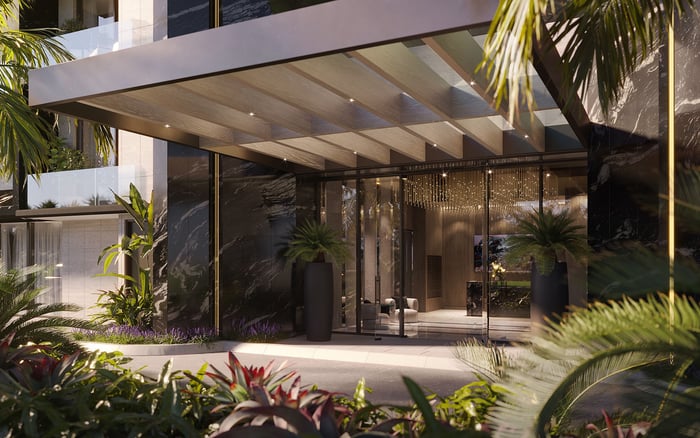
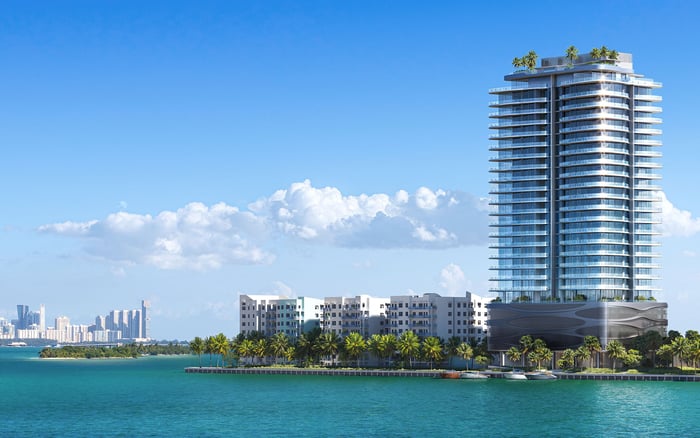
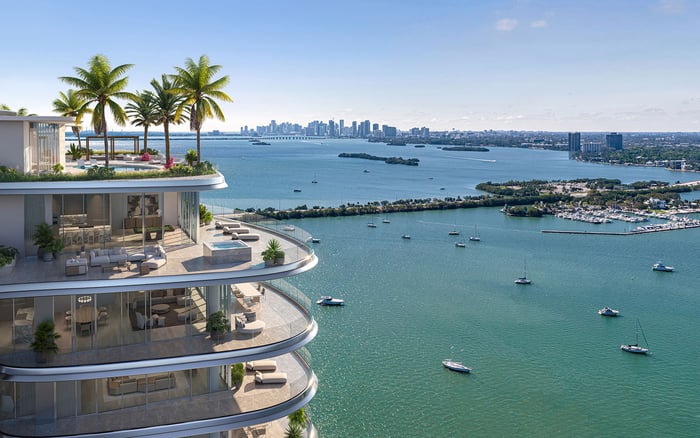
Continuum takes first place because the supplied project description presents the clearest privacy-oriented residential proposition in this group. Its appeal centers on a waterfront setting, private outdoor living, and a substantial shared amenity program intended to give residents multiple places to gather or retreat.
The key question is how effectively the final building plan distributes residents among arrival areas, elevators, amenities, and service routes. Buyers should reconcile all marketing descriptions with the operative condominium documents and confirm which spaces are reserved for residents, guests, or staff.
2. Shoma Bay
Shoma Bay presents a different form of luxury by combining condominium living with retail convenience. That arrangement may appeal to full-time residents who value access to everyday services, but it also makes circulation planning especially important for privacy-focused ownership.
Buyers should examine whether the residential entrance, parking, elevators, loading areas, and service routes remain distinct from public-facing activity. A mixed-use setting can still feel private when these elements are deliberately separated and consistently managed.
3. Continuum Waterfront District future phase
A future phase within the broader waterfront district holds provisional appeal because it may extend the residential character associated with the district. Its place in this ranking reflects potential rather than a fully documented condominium offering.
Privacy-focused buyers should wait for formal project materials before drawing conclusions about density, amenity sharing, elevator service, access control, or delivery. Until those details are available, it is best treated as a watchlist opportunity rather than a direct substitute for a documented residence.
4. Tula Residences
Tula offers an alternative setting within North Bay Village and may interest buyers who prefer to look beyond the area’s most prominent mixed-use and district-scale concepts. Location alone, however, does not determine whether a building will provide a discreet ownership experience.
Its position remains conservative because privacy should be measured through the final residential plan. Buyers should confirm the number of homes sharing each elevator bank, the treatment of guest arrivals, service access, amenity distribution, and any rules affecting rentals or events.
5. Pagani Residences Miami
Pagani Residences Miami carries a branded identity that may attract buyers interested in design-led ownership. Branding can shape architecture, interiors, service, and presentation, but it does not by itself establish privacy.
A meaningful assessment requires formal details about the residential scale, site plan, arrival sequence, amenity allocation, elevators, parking, and access structure. Buyers should reserve judgment until those elements can be evaluated in binding project documents.
The contrast between the first two projects is especially instructive. Continuum Club & Residences North Bay Village is positioned around a residential waterfront experience with private outdoor space and an extensive amenity offering. The privacy case depends on whether that shared program is divided into distinct settings rather than concentrated in a few high-traffic areas.
Shoma Bay North Bay Village presents a mixed-use proposition. On-site retail may simplify daily routines, particularly for full-time residents, while also introducing visitors, deliveries, and street-level movement. The decisive issue is not merely whether retail exists, but whether residential arrival, parking, elevators, and service circulation are convincingly separated from it.
For buyers considering Tula Residences North Bay Village, the setting merits attention, but it should be evaluated alongside the building plan. A discreet location can still feel busy when too many homes share limited vertical circulation or guest access is loosely managed.
Begin with the final declaration and offering documents rather than a rendering. Confirm the legal residence count, then ask how elevators serve each residential stack and whether any homes have private or semi-private elevator entry. Request clarity on service-elevator use, move-in scheduling, delivery handling, and the routes used by staff and vendors.
Amenity space should be assessed alongside programming. A broad selection of spaces may help distribute residents, but one dominant pool deck or lounge can still concentrate demand. Determine whether pools, fitness areas, workspaces, lounges, and waterfront terraces occupy distinct zones, and ask what guest limits apply during busy periods.
In a mixed-use building, examine the physical separation between residential and commercial components. Dedicated entrances, parking controls, loading routes, security points, and elevator banks matter more than generalized assurances of exclusivity. Buyers should also review how commercial operating hours or deliveries may affect the residential experience.
For every project, review short- and long-term rental provisions, pet rules, event policies, move-in procedures, and the association’s authority to regulate guest access. These rules can materially affect hallway traffic, elevator demand, noise, and the consistency of the residential environment.
Finally, study the proposed operating budget and service plan. Privacy often depends on staffing, security coverage, maintenance standards, and access technology that must be funded over time. A boutique atmosphere can change if the budget does not support the service model presented during sales.
Continuum is the clearest choice in this ranking for a buyer prioritizing a residential waterfront proposition, varied shared spaces, and private outdoor living. Shoma Bay follows for buyers willing to weigh mixed-use activity against the convenience of nearby retail. Tula provides another setting to evaluate, while the future Continuum phase and Pagani require additional formal detail before their privacy credentials can be judged with confidence.
For discreet guidance on North Bay Village opportunities, connect with MILLION.
If branded residences are on your mind — as a home or as an allocation — we would be glad to share what we are seeing, privately.
Begin a quiet conversationContinuum Club & Residences ranks first because the supplied description presents the clearest privacy-oriented residential proposition in the group.
Shoma Bay combines condominium ownership with mixed-use convenience. Privacy-focused buyers should closely evaluate how residential and public circulation are separated.
No such classification is established here. Low density is used as an editorial comparison that buyers should test against formal condominium documents.
Buyers should review how amenities are divided into distinct zones, how guests are managed, and whether one major space is likely to concentrate demand.
Separate entrances, parking controls, loading routes, security points, and elevator banks can reduce overlap between residents and commercial visitors.
The supplied details do not establish a fully documented condominium offering. Buyers should wait for formal materials before assessing its privacy characteristics.
Buyers should verify elevator allocation, guest access, service circulation, amenity distribution, and rules affecting rentals or events.
No. Buyers still need formal details about residential scale, arrival, amenities, elevators, parking, and access control.
Buyers should review the declaration, offering documents, association rules, budget, service plan, and provisions governing guests and rentals.
Staffing, security coverage, maintenance, access technology, delivery procedures, and enforcement of building rules can all shape the ownership experience.