Five Bal Harbour and Surfside residences stand out for advertised wine and storage features. For founders managing a home across time zones, the decisive questions concern environmental protection, access rights and documented custody between visits.
For a founder working across time zones, a coastal residence must do more than welcome an arrival. It should support an orderly absence: wine protected, possessions accessible to authorized people, and deliveries accounted for without interrupting the owner's working day elsewhere.
In Bal Harbour and Surfside, that brief demands distinctions that amenity language can obscure. Private storage is not necessarily conditioned storage. A wine appliance is not a managed cellar. Concierge availability does not, by itself, establish permission to receive, catalogue or relocate an owner's possessions.
The advertised features at Arte Surfside and Oceana Bal Harbour make them compelling starting points. The purchase decision, however, should turn on the specific residence and the written arrangements that remain in force between visits.
1. Arte Surfside: 8955 Collins Avenue, Surfside
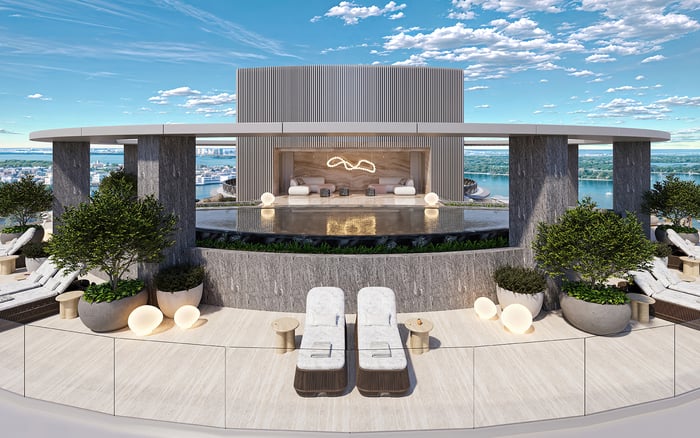
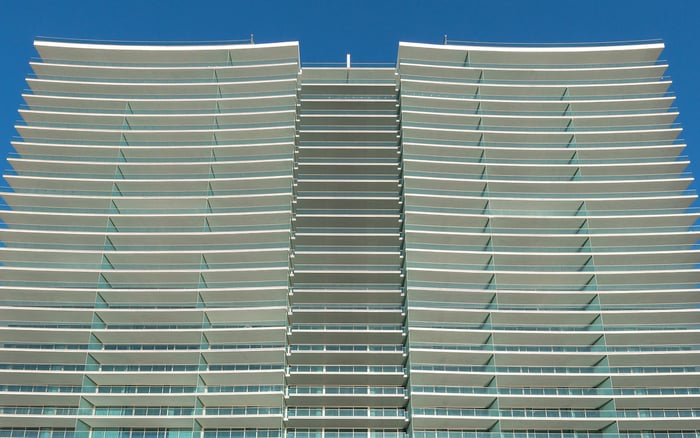
Arte ranks first for its combination of advertised climate-controlled wine storage, private storage for art collections, private elevators, and 24-hour concierge and security. The 12-story oceanfront condominium contains 16 residences and also lists valet parking among its services. Together, these features make it the closest fit here for a buyer evaluating both collection storage and staffed access.
The critical distinction is environmental: climate control is described for wine storage, but conditions within the private art-storage areas are not established. Buyers should confirm wine capacity, ownership or allocation rights, and who may enter either space. Formal inventory management is not established, so the service offering should not be mistaken for a documented custody system.
2. Oceana Bal Harbour: 10201 Collins Avenue, Bal Harbour
Oceana ranks second for a specifically described Gaggenau two-zone wine cellar, alongside private storage and a separate bicycle-storage area. Its in-residence wine equipment is described as temperature- and humidity-controlled. Capacity descriptions differ between over 70 bottles and up to 70 bottles, making the installed model and usable configuration essential checks.
For a founder who prefers to keep wine within the residence, that equipment offers a concrete starting point for inspection. It does not establish that general owner storage is conditioned or that anyone monitors the appliance during an absence. Verify the installed equipment, maintenance responsibilities and storage rights attached to the unit under consideration.
3. The Surf Club Four Seasons Hotel and Residences: 9001 Collins Avenue, Surfside
The Surf Club combines hotel and residential operations, with a resident storage room and wine cellar among its listed amenities. Concierge services, 24-hour security and valet service place it third for buyers seeking storage features alongside an established hospitality setting.
The unresolved questions are allocation and operation. Neither individual rights to the storage room and cellar nor their environmental specifications are established here. Before incorporating either into a between-visits plan, obtain written confirmation of the space available to the residence, authorized access and the services staff will perform. Hotel and residential operations should not be assumed to offer identical permissions.
4. Rivage Bal Harbour: 10245 Collins Avenue, Bal Harbour
Rivage ranks fourth as a future-oriented option with an advertised bespoke wine room. The project is under construction, so that feature must be evaluated as planned, not delivered. Its appeal for this brief lies in the opportunity to examine the promised specification before making it central to a purchase decision.
The available description does not settle capacity, temperature or humidity controls, or whether the room is private or shared. Nor does it establish a private in-residence wine room or conditioned garage storage. Buyers should resolve those distinctions in project documents rather than treating the word bespoke as a technical specification.
5. St. Regis Residences Bal Harbour: Bal Harbour
St. Regis ranks fifth for a listed Sub-Zero stainless-steel wine storage system. That is a defined residence feature to inspect, but the available particulars are less specific about separate owner storage, bottle capacity and inventory procedures.
The next step is unit-level diligence: confirm that the listed system remains installed, identify its model and condition, and establish servicing arrangements. Its inclusion in this comparison rests on wine equipment-not a demonstrated building-wide collection-management service or verified conditioned storage for other possessions.
A useful storage review begins with legal access, not cabinetry. Ask whether the space is deeded, assigned, shared or a limited common element. Establish whether its use transfers with the residence and whether staff may place deliveries there without the owner present.
At The Surf Club Four Seasons Surfside, the listed storage room and cellar make allocation a particularly relevant question. Request the applicable documents and a clear distinction between what belongs to the residence and what remains a shared amenity.
Examine environmental protection separately. For wine, request temperature and humidity ranges, alarm-monitoring arrangements, backup-power coverage, maintenance response times and spoilage-insurance terms. For art or other possessions, request specifications for the actual storage space rather than borrowing assurances from the wine facilities.
At Rivage Bal Harbour, assess these questions against the planned specification. A wine room, an owner-storage compartment and an air-conditioned garage are distinct features; confirmation of one does not establish the others.
The available particulars for these five projects do not establish barcode tracking, bottle reconciliation, consumption logs, automated replenishment or remote environmental alerts. These are questions for management, not assumed benefits of luxury ownership.
Request a written receiving protocol covering delivery hours, authorized recipients, photographs on arrival and each item's destination. A custody log should identify who accepted a delivery and who subsequently moved it. Confirm whether the building will provide this service or a separate arrangement is necessary.
For time-zone coverage, specify staff-access permissions, the primary escalation contact and a backup decision-maker. Ask what happens when the owner cannot respond, especially if equipment requires attention. The objective is to authorize appropriate action without granting undefined access.
Finally, request a pre-arrival inventory report that reconciles deliveries and removals. Treat this as a service to negotiate and document, not an existing offering at any ranked property.
Arte leads for its advertised combination; Oceana offers comparatively specific wine-equipment details. The Surf Club adds a hotel-residential setting, Rivage requires scrutiny of planned features, and St. Regis merits inspection of its listed wine system.
The strongest purchase is the residence whose physical provisions and written service boundaries match the owner's pattern of absence. Neither an amenity name nor a prestigious address substitutes for that agreement.
For a discreet conversation about matching your ownership requirements to Bal Harbour and Surfside residences, connect with MILLION.
If branded residences are on your mind — as a home or as an allocation — we would be glad to share what we are seeing, privately.
Begin a quiet conversationArte Surfside ranks first for its advertised combination of climate-controlled wine storage, private art storage, private elevators and 24-hour concierge and security. Formal inventory management is not established.
No. General owner storage, wine cooling and conditioned garage space are distinct features, and conditioned general-purpose storage is not established across all five.
Private storage for art collections is listed, but its environmental specifications are not established. Buyers should confirm those conditions separately from the advertised climate-controlled wine storage.
Published descriptions differ between over 70 bottles and up to 70 bottles. Confirm the installed model and usable capacity in the specific residence.
A resident storage room and wine cellar are listed. Their individual allocation and environmental specifications require confirmation.
Rivage is under construction, so the bespoke wine room should be treated as planned. Capacity, environmental controls and private-versus-shared configuration remain to be confirmed.
A Sub-Zero stainless-steel wine storage system is listed. Buyers should verify the installed equipment, condition and capacity for the particular residence.
Barcode tracking, bottle reconciliation, consumption logs and automated replenishment are not established for any of the five. Any inventory service should be confirmed in writing.
Confirm temperature and humidity ranges, alarm monitoring, backup power, maintenance response times and spoilage-insurance terms. Establish who is authorized to respond if the owner is unavailable.
Request receiving hours, staff-access permissions, delivery photographs, custody logs and escalation contacts. Ask whether pre-arrival inventory reporting can be provided and document any agreed service.