A buyer-focused Las Olas framework comparing five lock-and-leave resale profiles through unit size, floor position, view line, carrying costs and potential buyer appeal.
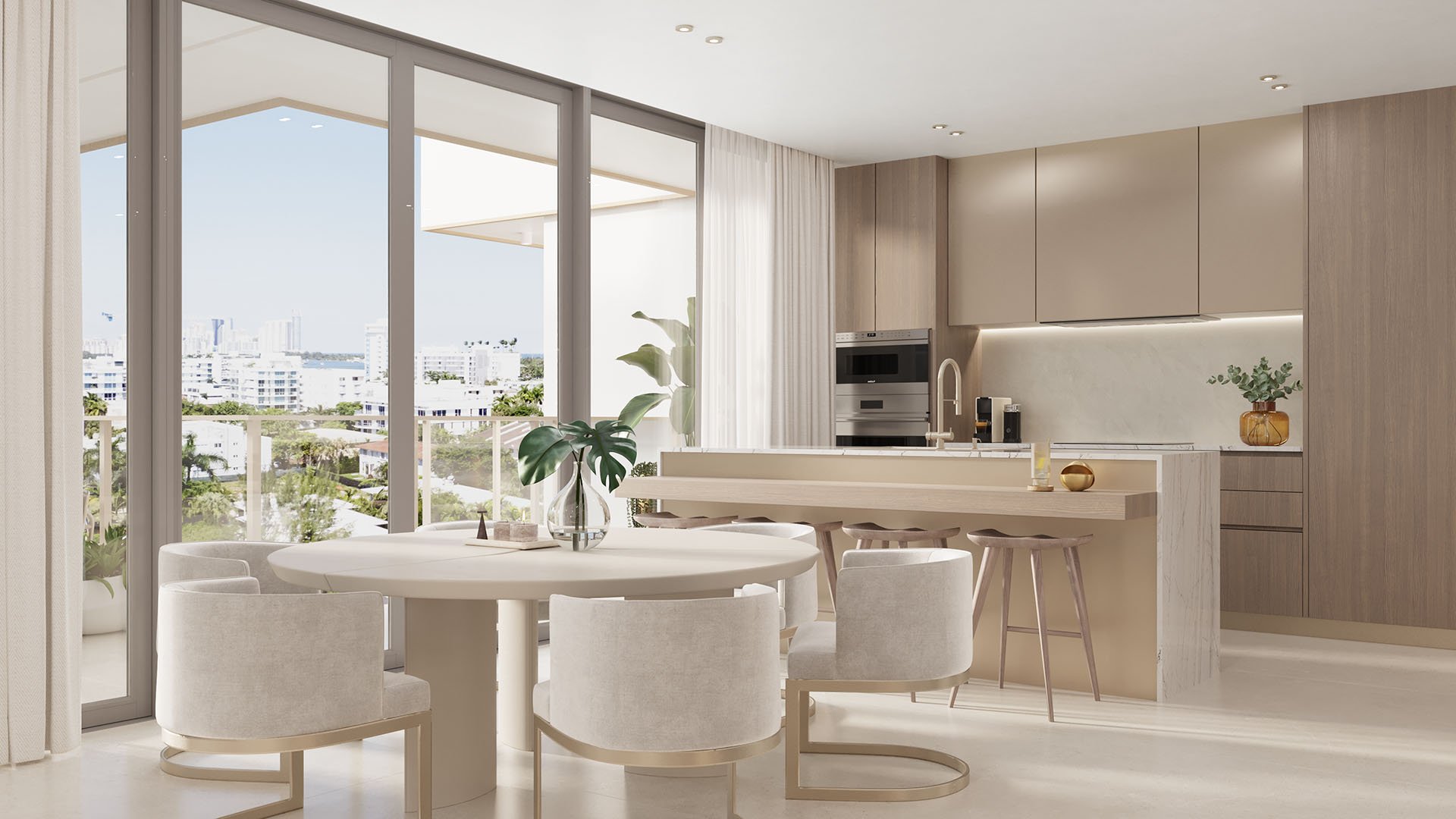
For a Las Olas buyer, lock-and-leave ownership is both a lifestyle choice and a resale consideration. A practical review should examine the specific residence, its likely buyer pool and the alternatives a future purchaser could consider at the same time.
Liquidity cannot be established from active inventory alone. Buyers should verify recent closed sales, marketing times and competing listings, then compare layouts, floor positions, view lines and recurring costs. Because market conditions change, any resale analysis should rely on current building records and listing data obtained during due diligence.
1. Las Olas River House: building-wide comparison
Las Olas River House is the first profile to investigate when the goal is to compare residences within a single building. The analysis should separate unit size, bedroom count, floor position, orientation and condition rather than treating every residence as interchangeable.
A buyer should identify the closest active and closed comparables for the selected line. The strongest resale case is the one supported by relevant transactions and a clearly defined future audience.
2. Las Olas Beach Club: beach-oriented comparison
Las Olas Beach Club is the second profile for buyers considering a Fort Lauderdale Beach setting. Its resale review should focus on how unit scale, orientation, condition and carrying costs affect the number of plausible substitutes available to future buyers.
A beach setting does not remove the need for price discipline. Current listings and recent closings should be compared on a like-for-like basis before assigning a premium to a particular floor or view.
3. 100 Las Olas: central Las Olas comparison
100 Las Olas is the third profile. Buyers should evaluate how a selected residence competes within the building and against other Las Olas options that may appeal to the same purchaser.
The relevant comparison set should account for layout efficiency, floor, orientation, condition and total ownership costs. Asking prices can frame seller expectations, but closed transactions provide the more useful evidence of market acceptance.
4. Las Olas River House: higher-floor profile
A higher-floor River House residence forms the fourth profile because elevation can change both the purchase decision and the future resale audience. Buyers should determine whether the specific view, layout and privacy justify any premium relative to comparable lower-floor choices.
The analysis should also test how many nearby residences offer a substitutable experience. A premium is easier to assess when it is supported by relevant closed sales rather than by floor position alone.
5. Las Olas River House: mid-floor profile
A mid-floor River House residence forms the fifth profile. This option should be evaluated for its balance of view, layout, carrying costs and acquisition basis without assuming that greater elevation automatically produces better liquidity.
For resale planning, the key question is whether the residence can appeal to a sufficiently broad buyer pool at a defensible price. Current competition within the same bedroom category deserves particular attention.
A wide selection can help establish a pricing range, but it can also increase competition among sellers. Active inventory indicates availability; it does not establish how quickly a residence will sell or at what discount from the asking price.
Buyers should request current active, pending and closed data for the closest comparable units. They should also distinguish building-wide averages from residence-level evidence, especially when layouts, renovations, floors and orientations differ.
A broader Fort Lauderdale comparison may include Sixth & Rio Fort Lauderdale. This is not a claim that distinct projects are equivalent; it is a way to clarify preferences concerning setting, residence type and ownership horizon.
A view premium is meaningful only if future purchasers are likely to value it similarly. Buyers should compare the selected residence with alternatives sharing the same bedroom count, approximate size, nearby floor position and orientation.
The review should also consider whether a view could be replicated elsewhere in the building. Scarcity may support differentiation, but only current market evidence can show whether buyers have paid for that distinction.
Additional Fort Lauderdale options to investigate include Four Seasons Hotel & Private Residences Fort Lauderdale and St. Regis® Residences Bahia Mar Fort Lauderdale. These comparisons can help a buyer define priorities without replacing building-specific resale analysis.
Begin by identifying the likely exit audience for the exact residence. A layout intended for occasional use may attract a different purchaser from one selected for full-time living, so assumptions about future demand should be tested against relevant transactions.
Next, review recurring expenses and building documents as part of due diligence. Carrying costs can affect affordability and the size of the future buyer pool. Finally, separate asking prices from completed transactions and verify all market information close to the decision date.
What does lock-and-leave mean in this article? It describes condominium ownership considered by buyers who want a residence suited to periods of absence without the routines associated with a detached home.
Why is residence-level analysis important? Units in the same building can differ by layout, floor, orientation, condition and carrying costs, all of which may affect buyer interest.
Does more active inventory mean stronger liquidity? Not necessarily. Active inventory shows availability, while closed sales and marketing times offer better evidence of transaction activity.
How should buyers compare different unit sizes? They should identify the likely audience for each size and use comparable active and closed residences rather than a building-wide average.
Should a higher floor command a premium? A premium should be evaluated against the specific view, privacy, layout and relevant closed sales, not elevation alone.
Why do view lines matter for resale? View lines can differentiate residences, but their resale value depends on whether future buyers recognize and pay for that distinction.
How do carrying costs affect liquidity? Recurring expenses influence total ownership cost and may narrow or expand the pool of future purchasers.
Are asking prices reliable evidence of value? They show seller expectations, but completed transactions are generally more useful for assessing market acceptance.
What records should a buyer review? Buyers should obtain current listing data, relevant closed-sale information and applicable building documents through their due-diligence process.
When should resale data be verified? It should be checked close to the purchase decision because listings, closings and competitive conditions can change.
For a discreet conversation and a curated building-by-building shortlist, connect with MILLION.
If branded residences are on your mind — as a home or as an allocation — we would be glad to share what we are seeing, privately.
Begin a quiet conversation