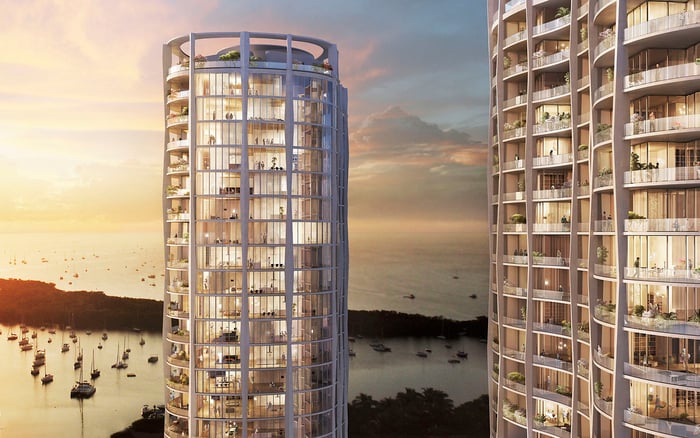
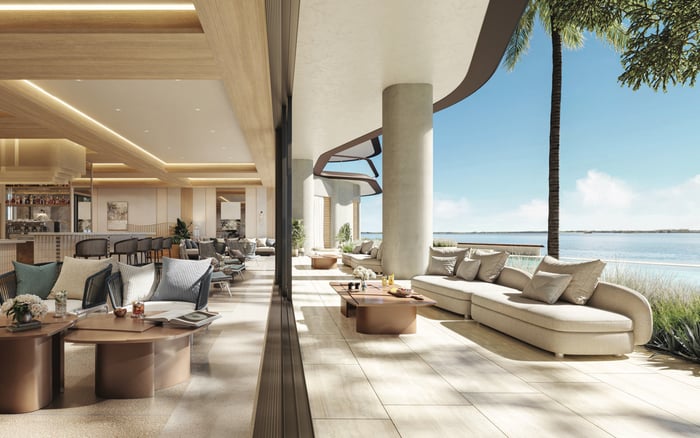
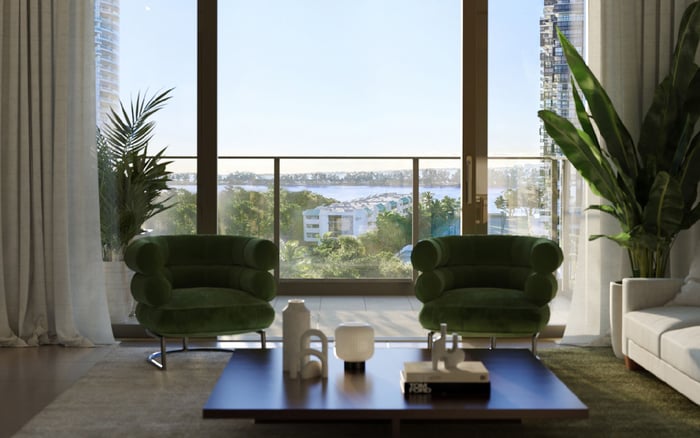
Five Miami-Dade developments merit a private-client shortlist based on waterfront positioning or occupancy milestones. The decisive distinction is between an attractive outlook, enforceable neighboring restrictions, and the construction exposure of a particular residence.
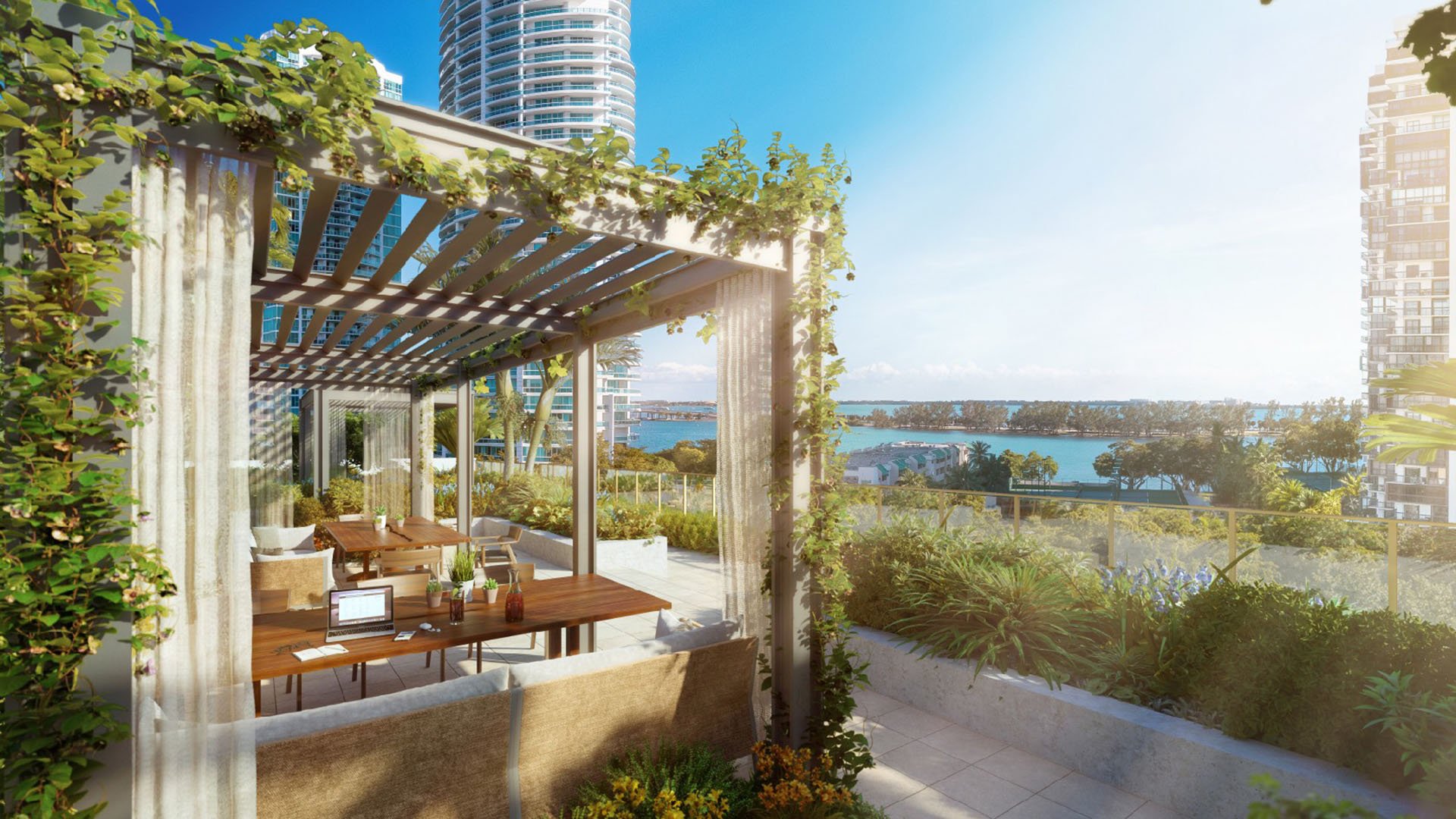
For a buyer choosing a Miami residence for its outlook and everyday tranquility, the essential distinction is between what is visible today and what can change tomorrow. Waterfront positioning, a certificate of occupancy, and an enforceable restriction on neighboring development answer different questions. None substitutes for the others.
The five projects below offer two useful starting points: waterfront settings in Coconut Grove and Brickell, and occupancy milestones that sharpen the inquiry into remaining work at the subject property. The order is provisional, not a ranking of legally protected views or measured crane disruption. Legal view protection remains unconfirmed for all five.
These are 2026 status snapshots, not assurances of current availability or construction conditions. Target delivery dates and advertised pricing remain subject to change. For the private client, the objective is to narrow the field intelligently, then test the specific residence against its surroundings before committing.
1. Four Seasons Private Residences Coconut Grove: waterfront, 70 residences
This waterfront development leads the preliminary shortlist with 70 residences and a 2027 completion target. Advertised starting pricing is approximately $5.62 million. Its scale and positioning warrant attention from buyers who make setting a priority.
The qualification is equally important: a future completion target leaves construction exposure at the project itself. Waterfront positioning does not establish an easement, a no-build covenant, or a restriction on neighboring development. The purchase case should rest on the selected residence’s actual sightline and documents, not an assumption of permanence.
2. The St. Regis Residences, Miami: waterfront, 152 residences
The St. Regis Residences, Miami is a 152-residence waterfront project in Brickell, under construction with delivery targeted for 2027. Advertised starting pricing is approximately $5 million. Its water-facing positioning earns it second place in this preliminary order.
That position does not establish lower neighborhood construction exposure. The buyer should distinguish the desired water outlook from lateral and approach views, then assess the parcels relevant to each. A 2027 target also calls for a realistic discussion of the client’s intended occupancy date and tolerance for remaining work.
3. Arbor Residences: Coconut Grove, certificate of occupancy milestone
Arbor Residences reportedly received its certificate of occupancy on August 20, 2026, and was 80% sold at that milestone. This is a more concrete completion signal than a future delivery target, making Arbor especially relevant when immediate construction exposure matters more than waterfront positioning.
For that client, Arbor may merit a higher place in the briefing. Neither occupancy nor sell-through establishes that nearby construction has ended. The next questions concern current building conditions, outstanding work, and development potential around the residence under consideration.
4. 2200 Brickell: temporary occupancy and resident arrivals
2200 Brickell reportedly received its temporary certificate of occupancy in July 2026 and began welcoming residents. That milestone supports its inclusion for buyers seeking an occupancy-stage alternative to a project with a future delivery target.
The milestone provides a basis for investigating whether less work remains at the subject property-not a guarantee of finished surroundings. Before treating it as the quieter choice, obtain an updated account of outstanding construction and assess neighboring activity independently. Protected views remain a separate legal and planning question.
5. Viceroy Brickell: temporary occupancy and first residents
By the June 2026 status snapshot, Viceroy Brickell had reportedly received its temporary certificate of occupancy and welcomed its first residents. Its fifth-place position adds another occupancy-stage candidate to a briefing otherwise led by waterfront projects targeting 2027.
This milestone neither establishes crane-free surroundings nor resolves future-view risk. For a client considering near-term use, the task is to verify current conditions at the building and along the residence’s outlook. Suitability depends on that review, not the project’s position in the list alone.
A comparison between Four Seasons Residences Coconut Grove and Arbor Coconut Grove illustrates the central trade-off. One offers waterfront positioning with a future completion target; the other has a reported certificate of occupancy milestone. Neither fact resolves neighboring development rights.
Coconut Grove also requires a wider construction review. Ziggurat reportedly broke ground by February 2026, while OPUS reportedly broke ground in April 2026. These milestones establish neighborhood activity, not disruption at either shortlisted property. Their relevance should be checked against the selected residence’s location, orientation, access routes, and intended move-in timing.
A buyer who prioritizes the outlook may reasonably begin with the waterfront candidate. A buyer seeking greater completion certainty may begin with Arbor. These are different priorities, not contradictory conclusions.
For St. Regis® Residences Brickell, the waterfront setting should be evaluated alongside remaining construction and the relevant surrounding parcels. The wider Brickell/Downtown pipeline includes Cipriani, St. Regis, 619 Brickell, and Mandarin Oriental. That context warrants investigation but does not prove a specific obstruction or disruption at any shortlisted residence.
At 2200 Brickell, the occupancy milestone shifts attention to present-day conditions and outstanding work. The same distinction applies to Viceroy Brickell: initial resident arrivals are useful, but they do not resolve questions about neighboring staging, street closures, or future building envelopes.
For each candidate, inspect both the view from the residence and the experience of arriving home. Assess them separately; a pleasing outlook does not establish limited disruption.
Ask counsel to review title, surveys, recorded easements and covenants, condominium documents, and any neighboring development agreements relevant to the intended sightline. Adjoining-parcel zoning, approved plans, and pending permits deserve a separate review. The central question is what is enforceable, where it applies, and whether it benefits the residence being purchased.
Maintain two distinct construction assessments: remaining work at the subject building, and neighboring activity affecting outlook, access, or daily use. This shortlist provides no quantified basis for declaring one candidate the least disrupted. If immediate construction tolerance is the controlling concern, give occupancy milestones greater weight and revisit the order accordingly.
For a residence-specific conversation about outlook, neighboring rights, and construction exposure, connect with MILLION.
If branded residences are on your mind — as a home or as an allocation — we would be glad to share what we are seeing, privately.
Begin a quiet conversationNo. The order is a provisional shortlist based on waterfront positioning and occupancy milestones, not confirmed legal view protection.
Its waterfront positioning, 70-residence scale, and 2027 completion target support its leading screening position. Those characteristics do not establish restrictions on neighboring development.
Four Seasons Private Residences Coconut Grove starts at approximately $5.62 million, while The St. Regis Residences, Miami starts at approximately $5 million. Advertised pricing is subject to change.
The project is listed as under construction with delivery targeted for 2027. That target should not be treated as a guaranteed occupancy date.
Arbor reportedly received its certificate of occupancy on August 20, 2026. That completion milestone may carry more weight than waterfront positioning when remaining project construction is the priority.
2200 Brickell reportedly received its temporary certificate of occupancy in July 2026 and began welcoming residents. Current conditions and outstanding work still require review.
Viceroy Brickell had reportedly received its temporary certificate of occupancy and welcomed its first residents. That does not establish construction-free surroundings.
No. The selected residence’s sightline and relevant neighboring rights require separate legal and planning review.
The review should include title, surveys, recorded easements and covenants, condominium documents, and relevant neighboring agreements. Adjoining zoning, approved plans, and pending permits also warrant examination.
Yes. Remaining work at the subject property and neighboring construction, staging, or street closures represent different exposures and should be evaluated independently.