A private-client briefing on five development watch points across Downtown Miami, Wynwood, and the Design District, with a focus on unattended-residence protocols, water alerts, humidity oversight, and documented emergency authority.
For a private client who spends extended periods elsewhere, a Miami residence warrants as much scrutiny when empty as when occupied. The essential questions are matters of accountability: who receives an alert, who reaches the apartment, and who can authorize action before the owner answers the telephone?
This briefing reflects development information through September 2026, not independently confirmed live construction status. The ranking weighs construction stage, scale, mixed-use complexity, and relevance to absence planning-not investment performance or proven management quality. No entry confirms installed leak sensors, automatic shutoffs, humidity monitoring, or guaranteed emergency access.
For clients also considering Waldorf Astoria Residences Downtown Miami, apply the same document-led questions. Evaluate the service proposition through responsibilities, permissions, and response procedures, not presentation alone.
1. Okan Tower: 555 North Miami Avenue, Downtown Miami
Okan Tower ranks first for its scale and hotel-residential complexity. The 902-foot, 72-story tower combines residences with a Hilton hotel component. By September 2026, construction had passed the 50th floor and reached approximately 75% structural completion. That percentage describes the structure-not overall project completion, readiness for occupancy, or operational commissioning.
The central private-client question is how hotel and residential teams will divide responsibilities. Request a written allocation of duties for leak response, water shutoff, HVAC monitoring, and emergency access. Ask who leads when an incident crosses those boundaries and whether an absent owner's designated representative can approve immediate work. Hotel affiliation alone is not evidence of residence-specific absence management.
2. Mohawk at Wynwood: 50 NE 29th Street, Wynwood-Midtown corridor
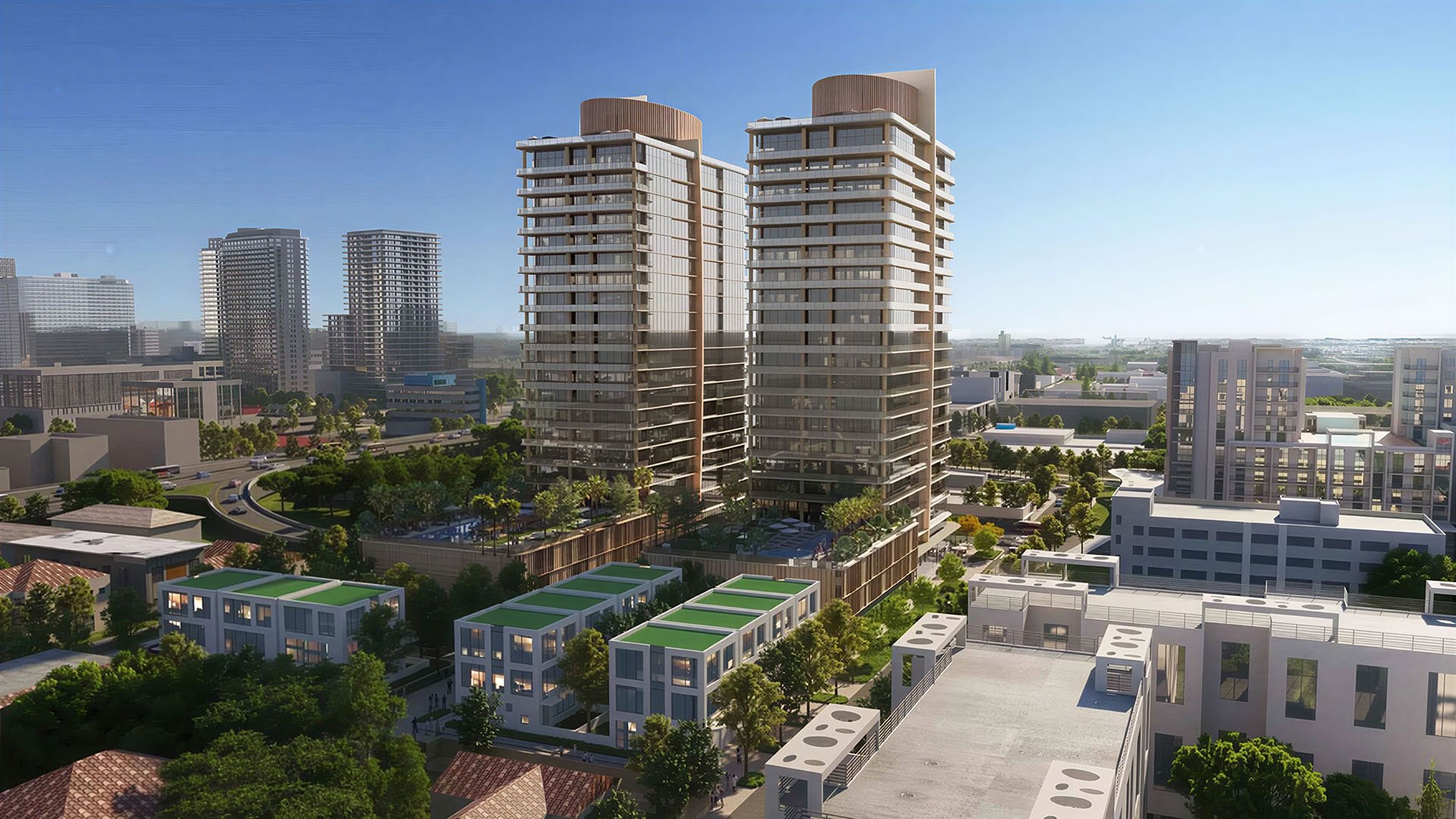
Rilea Group's Mohawk is a 300-residence mixed-use rental development, not a condominium purchase opportunity. Its 12- and eight-story residential buildings incorporate 29,118 square feet of ground-floor retail around an open-air pedestrian paseo. Groundbreaking took place on September 23, 2026, with a provisional completion target of 2029.
The two-building layout and retail component make maintenance boundaries central to a prospective tenant's briefing. Establish the landlord's obligations and the escalation process for leaks involving apartments, common areas, and retail premises. Ask how an unattended apartment would be accessed, who communicates with the tenant, and which emergency actions require consent. Ground the discussion in the lease and management procedures, not condominium ownership assumptions.
3. Twenty Sixth & 2nd Wynwood Residences: 223 NW 26th Street / 2600 NW 2nd Avenue
This eight-story, 233-unit condominium enters the briefing following its completed foundation pour. Developers PMG and LNDMRK secured a reported $126 million construction loan before the May 2026 groundbreaking. Those milestones establish construction and financing context, not the final operating package for an unattended home.
Before closing, request final leak-detection and HVAC specifications, relevant commissioning records, and proposed owner-absence procedures. Distinguish equipment promised in specifications from equipment installed, tested, and assigned to a responsible operator. Give emergency-entry provisions equal scrutiny: identify the authorized party, the circumstances permitting entry, and the process for documenting work when the owner is unavailable.
4. 14 ROC: Downtown Miami's Arts & Entertainment District
The 31-story, 283-residence condominium had broken ground and was approximately 50% sold in the September 2026 snapshot. Its delivery target was 2027, not a confirmed completion date. For this briefing, distinguish progress toward delivery from evidence that the eventual residence can be managed effectively during a prolonged absence.
Ask for the final humidity-control design, condensate-monitoring provisions, and drainage details. Clarify the association's authority to enter an unattended residence or authorize emergency work. The briefing should distinguish proposed systems from final specifications and tested performance. It should also identify any owner-funded monitoring or management services that may require separate consideration.
5. Craig Robins-associated office-retail development: Miami Design District
A reported $31 million new-building permit places this development on the neighborhood watch list. It is an office-retail project, not a residential condominium. Its inclusion concerns a residence's surroundings, not a comparable acquisition opportunity. Permit activity should not be read as confirmation of a construction start.
Focus diligence on potential construction access, utility coordination, drainage, and communication between neighboring buildings. These are questions to investigate, not established disruptions. Ask the management team of any nearby residence how it would communicate relevant works and maintain access for emergency responders or authorized contractors during an owner's absence.
Ask for an operating sequence, not a collection of device names. For water detection, request proposed sensor locations, alert recipients, escalation steps, and shutoff arrangements. Establish whether shutoff is automatic or requires someone on site, and how the arrangement will be tested and maintained.
For humidity, ask the design and management teams to explain monitoring, alert thresholds, condensate oversight, and operating instructions during vacancy. Avoid prescribing a universal setting before reviewing the residence's actual system. Confirm who investigates an alert and how the owner receives a record of the response.
Apply the same distinction between equipment and accountability to a Wynwood comparison involving Frida Kahlo Wynwood Residences. Treat it as a separate candidate for diligence, not evidence that any particular monitoring or absence-management package is included.
Prepare a written authorization plan for review with management and counsel. Identify the owner's representative, permitted access, notification sequence, and authority to approve shutoff, drying, or other emergency work. Clarify spending limits and what happens if neither the owner nor the primary representative can be reached.
Request the relevant governing documents or lease provisions alongside any separate management agreement. Ask how keys or access credentials are controlled, how entry is logged, and who supplies the incident record. Examine permission to enter and the obligation to respond separately; do not assume they mean the same thing.
For a Design District search that includes Kempinski Residences Miami Design District, keep residence-level arrangements separate from neighborhood construction questions. Neither should substitute for the other. The office-retail watch item above establishes no operational connection to that residential project.
Before committing, assemble three items: final technical specifications, applicable access and emergency-authority provisions, and a written response protocol naming responsible parties. For a rental, adapt the request to the lease and the landlord's maintenance obligations. Reconfirm provisional delivery targets separately.
The most useful private-client briefing does not mistake height, financing, or a construction milestone for readiness for long absences. It makes unanswered operational questions visible before they become the owner's responsibility.
For a discreet discussion of your South Florida residential shortlist, connect with MILLION.
If branded residences are on your mind — as a home or as an allocation — we would be glad to share what we are seeing, privately.
Begin a quiet conversationIt weighs construction stage, scale, mixed-use complexity, and relevance to long-absence planning. It does not rank investment performance or verified building-management quality.
The briefing reflects development information through September 2026. It is not an independently confirmed live construction update.
No. The approximately 75% figure refers to structural completion after construction passed the 50th floor, not overall completion or readiness for occupancy.
No. Mohawk is Rilea Group's 300-residence rental development, so absence-management diligence should focus on the lease, landlord obligations, and management procedures.
The September 2026 groundbreaking milestone carried a provisional completion target of 2029. That target is not a guaranteed completion date.
Request final leak-detection and HVAC specifications, relevant commissioning records, and proposed owner-absence and emergency-entry procedures before closing.
No. The briefing identifies 2027 as a delivery target, not a confirmed completion date.
The Craig Robins-associated project is a neighborhood watch item supported by a reported $31 million new-building permit. It is not a residential equivalent, and potential access, utility, or drainage issues require separate investigation.
No installed leak sensors, automatic unit shutoffs, humidity-monitoring systems, or guaranteed emergency-access services are established in this briefing. Buyers should request project-specific specifications and operating procedures.
It should identify authorized representatives, access permissions, notification steps, and authority to approve shutoff, drying, and emergency spending. Review those arrangements with management and counsel against the applicable documents.