THE WELL Coconut Grove proposes a residential experience built around movement, recovery and personalized care. Its value deserves a close reading of access, clinical oversight, operating costs and the services owners will actually use.

The most compelling promise of wellness-oriented real estate is not another treatment room. It is the possibility of making a considered routine easier to maintain. At The Well Coconut Grove, planned for 2835 Tigertail Avenue in Miami, the proposition combines residential design, movement, recovery facilities and personalized services.
For a Coconut Grove buyer, the question is whether that combination will become a coherent part of daily life. A long amenity menu cannot establish appointment availability, clinical quality or lasting financial value. Those depend on operating details that deserve as much attention as the residence itself.
The rooftop, club and services discussed here are advertised or planned offerings, not confirmation of completed operations. Buyers should distinguish the proposed experience from the commitments in their purchase and condominium documents.
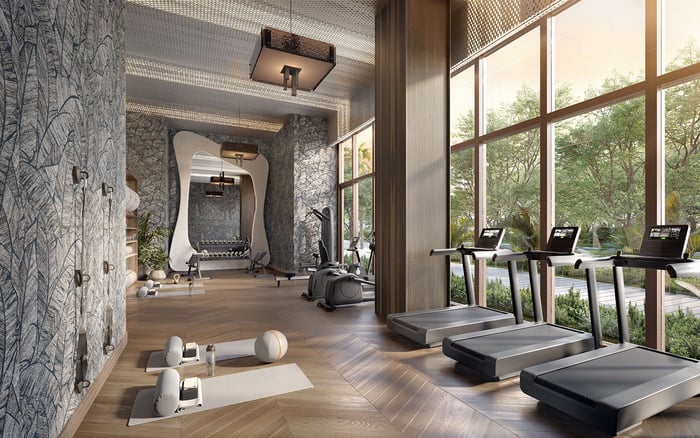
The advertised program extends beyond a conventional pool and gym. Plans call for a resident-exclusive fitness center and small-group movement studio, with programming that includes yoga, Pilates, strength training, stretching, breathwork, HIIT and barre. Advertised resident services also include biannual health coaching and an annual whole-person health assessment.
That breadth becomes meaningful when matched to actual habits. A buyer who trains privately, swims regularly and values coaching may assess the offering differently from an owner who visits occasionally. Sketch a realistic week, then identify which activities require reservations, additional payments or coordination with practitioners.
Ask for a sample operating schedule rather than relying on a list of disciplines. Class frequency, instructor availability and cancellation rules will determine whether the program supports your routine or merely offers possibilities. Convenience is the first benefit to test.
The planned 40,000-square-foot rooftop includes two pools, hot and cold plunges, a pickleball court, a Fitness Forest and a restaurant. The rooftop fitness area is intended for outdoor functional training and mindful movement, adding an outdoor dimension to the proposed program.
The lap pool is promoted as “low-toxin,” while a heated circular pool is positioned for recovery. Neither description independently establishes a health benefit. Request the treatment-system specifications, water-quality protocols and maintenance responsibilities behind the terminology. For the heated pool and plunges, ask about operating temperatures, supervision and access restrictions.
Scale alone is not decisive. Buyers should understand how exercise, dining and quieter activities will coexist, including reservation policies and any event-related closures. A rooftop that looks generous in a rendering must still accommodate different uses comfortably in practice.
A planned 13,000-square-foot Wellness Club is central to the proposition. Advertised facilities include a communal bath house with steam, sauna, cold-plunge and caldarium facilities. A hyperbaric chamber, Crystal Cave relaxation lounge and Vitality Lounge offering self-service treatments and IV therapy also feature in the proposed program.
Evaluate these as distinct services, not interchangeable evidence of wellness. Functional medicine, physical therapy, longevity care and EMS training are also advertised, but availability does not establish suitability for an individual resident. Ask who delivers each service, what credentials are required, how screening works and who assumes clinical responsibility where applicable.
Appointment capacity matters just as much. Establish practitioner hours, booking windows and whether residents receive priority over nonresident members. Treatments such as IV therapy or hyperbaric sessions warrant discussion with a qualified clinician; residential access does not make them appropriate for every resident.
Resident membership is presented as connecting owners to the Fitness & Movement program, Bath House and custom longevity care. The essential question is what that connection includes. Facility access, class participation and individual treatment are different benefits and should be itemized separately.
Request a written schedule distinguishing condominium charges, club dues, included assessments, treatment fees, private training and optional packages. Confirm household eligibility, guest access, usage limits and whether unused benefits expire. Clarify what happens when a residence is leased or sold, without assuming membership privileges transfer automatically.
For buyers also considering Four Seasons Residences Coconut Grove, apply the same discipline: document each property's service obligations and access terms independently. A brand name is not a substitute for a clear agreement.
Promoted residential features include built-in air purification, subtle aromatherapy, indoor gardens described as restorative and a minimal interior palette. Select residences are marketed with flexible spaces suitable for meditation, workouts or massage, with optional custom wellness packages. Planned in-home services include massages, facials, health coaching and guided meditation.
These details warrant practical scrutiny. Request air-system specifications, filter-replacement requirements and servicing responsibilities. Ask whether aromatherapy is optional and independently controllable. For a proposed wellness room, evaluate usable dimensions, privacy, storage and how comfortably a practitioner could work in the space.
If Park Grove Coconut Grove is also on your shortlist, compare the residences against the same personal routine rather than assuming equivalent wellness provisions. The useful question is which home supports your habits with the fewest compromises, not which brochure names more amenities.
Extensive wellness infrastructure raises operating questions as well as lifestyle possibilities. Review condominium documents and budgets for staffing responsibilities, maintenance, equipment replacement, reserves and potential assessments. Ask which expenses belong to the association, which belong to a separate club operation and how shared costs are allocated.
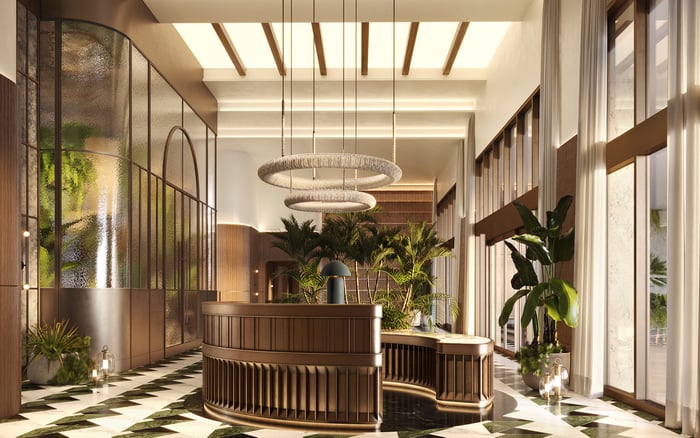
The advertised café, social and coworking spaces for owners and members make access arrangements especially relevant. Clarify nonresident entry, circulation, security and whether owners have protected areas or booking priority. Request a written distinction between opening-day facilities and any services expected to arrive in phases.
Treat amenities and pricing as preliminary and subject to change until confirmed in the governing documents. Have appropriate legal and financial advisers examine the commitments before assigning a purchase premium to the proposed wellness offering.
The strongest case for THE WELL Coconut Grove is the proposed integration of coaching, assessments, movement, recovery and in-home care. Its appeal lies not simply in the number of facilities, but in the possibility of reducing the effort required to use them consistently.
Separate durable residential qualities from services that depend on staffing, scheduling and continuing expenditure. Then weigh the documented offering against your expected use. The appropriate premium is personal, but the evidence supporting it should be concrete: defined benefits, credible operations, transparent costs and a residence that remains compelling on its own.
For a discreet assessment of wellness-led ownership in Coconut Grove, connect with MILLION.
If branded residences are on your mind — as a home or as an allocation — we would be glad to share what we are seeing, privately.
Begin a quiet conversationThe project is planned for 2835 Tigertail Avenue, Miami, FL 33133.
The facilities and services discussed are planned or advertised offerings, not confirmation of completed operations. Buyers should verify delivery commitments and opening arrangements in writing.
The advertised 40,000-square-foot rooftop includes two pools, hot and cold plunges, a pickleball court, a Fitness Forest and a restaurant.
The Wellness Club is advertised at 13,000 square feet. Proposed facilities include a bath house, a hyperbaric chamber and relaxation spaces.
Advertised programming includes yoga, Pilates, strength training, stretching, breathwork, HIIT and barre. Buyers should confirm schedules, class capacity and any additional fees.
The advertised membership connections do not establish that every treatment is included. Request a written breakdown of included benefits, dues, treatment charges and usage limits.
Request treatment-system specifications, water-quality protocols and maintenance responsibilities. The promotional description does not independently establish a health benefit.
Verify practitioner credentials, screening procedures and clinical responsibility. Discuss the suitability of treatments such as IV therapy or hyperbaric sessions with a qualified clinician.
Planned services include massages, facials, health coaching and guided meditation. Select residences are also marketed with flexible wellness spaces and optional custom packages.
Review staffing, maintenance, equipment replacement, reserves and potential assessments. Clarify which expenses fall to the condominium association, club operation or individual owner.