THE WELL Coconut Grove places movement, recovery, and wellness services at the center of residential life. A closer look at its planned homes, shared spaces, and ownership considerations reveals what buyers should evaluate beyond the amenity list.
The most compelling proposition at The Well Coconut Grove is not a single treatment room or rooftop amenity. It is the possibility of making movement, recovery, and quieter daily rituals part of one residential routine. Planned for 2835 Tigertail Avenue, the development places wellness at the center of home life rather than treating it as an occasional escape.
Terra and AB Asset Management are developing the project, with plans for 194 residences across eight stories, alongside wellness-club, office, and retail components. For buyers, that combination raises a more useful question than how many amenities appear in a brochure: how comfortably will the private home, shared residential spaces, and broader club operation work together?
The project offers a specific example of wellness becoming a core residential proposition. It does not, by itself, establish a market-wide shift or a future resale premium. Its significance lies in the depth of the planned integration.
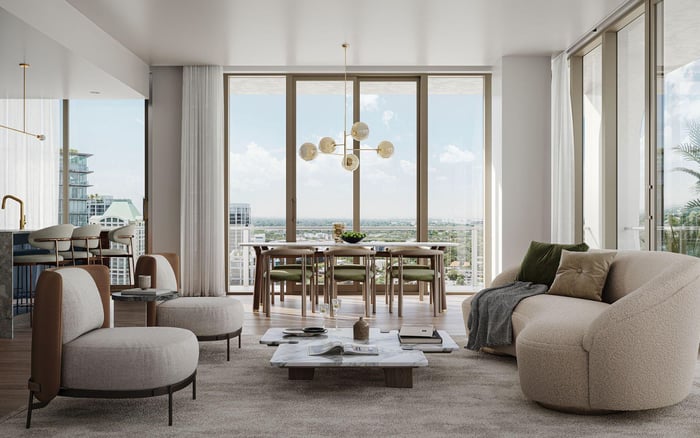
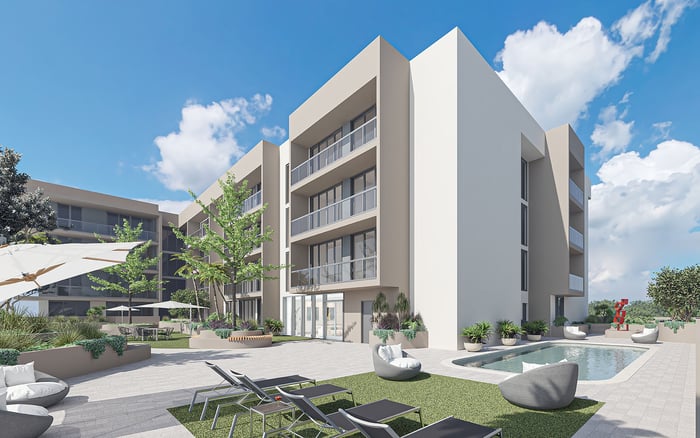
The residential offering includes one- to four-bedroom layouts spanning approximately 960 to 4,200 square feet. Flats, lofts, and townhomes offer distinct ways to live at the address rather than imposing a single apartment format on every buyer.
Select townhomes are planned with street-level access and private garden entries. Select ground-floor lofts are planned with 22-foot great-room ceilings and double-height window walls. These distinctions matter: a garden-entry home and a tall, open loft can serve very different preferences for arrival, privacy, and interior atmosphere.
Every residence is planned with a private balcony or terrace. Select homes also include flex spaces intended for meditation, workouts, or massage. Their practical value is adaptability. Buyers should assess whether the dimensions and circulation support their preferred use, not simply whether a floor plan labels a room as flexible.
Pricing begins around $1.5 million, with upper-end residences priced above $10 million. Those figures are indications, not a complete current inventory. Comparing individual homes requires confirmation of availability, specifications, outdoor space, and the particular layout offered.
Natural materials, daylight, floor-to-ceiling glass, greenery, and private outdoor space underpin the design concept. These elements deserve attention independently of the service menu. They shape how a residence feels during the hours when its owner is neither exercising nor receiving a treatment.
The planned resident-exclusive Conservatory gives that approach a clear expression. Double-height glass, an indoor-outdoor tea garden, landscaping, and a reflection pond are intended to create a shared setting for pause rather than performance. Its appeal is the prospect of a communal room that does not demand a scheduled activity.
Buyers also considering Opus Coconut Grove can apply the same decision framework: examine the private residence first, then ask how shared spaces would genuinely extend daily life. A strong amenity concept should reinforce the home, not compensate for a layout that does not suit its owner.
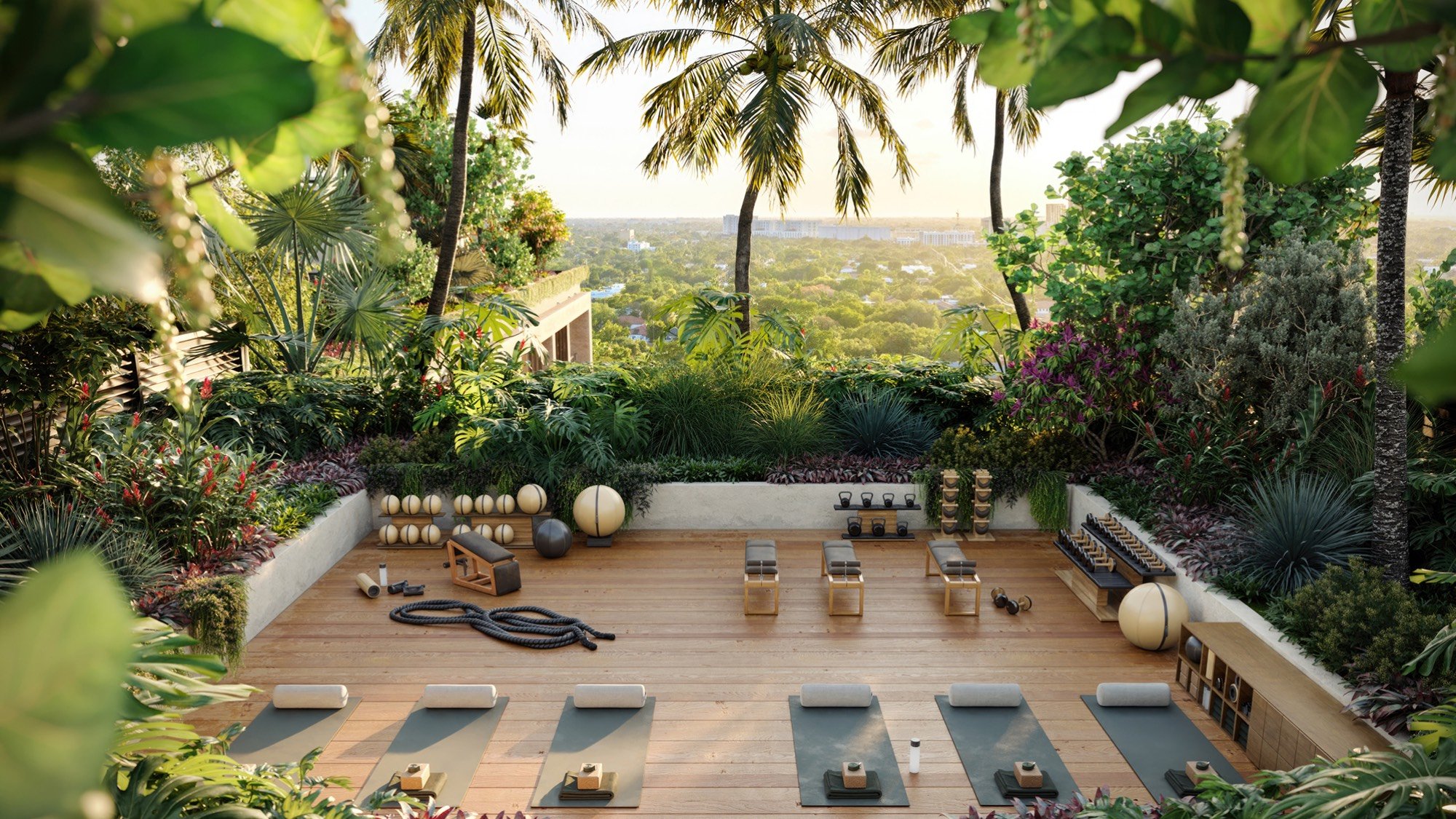
Plans include a resident fitness center and small-group movement studio, supported by yoga, movement programming, and private training opportunities. The broader wellness offering is intended to encompass Pilates, Qigong, meditation, massage, facials, acupuncture, nutrition, physical therapy, and functional medicine.
Specialized facilities are planned to include a communal bathhouse, relaxation lounges, a Vitality Lounge, and hyperbaric services. What distinguishes the concept from a conventional gym-and-spa package is the range of activities and professional services contemplated within the residential setting. Availability, practitioner arrangements, suitability, and individual charges still require confirmation.
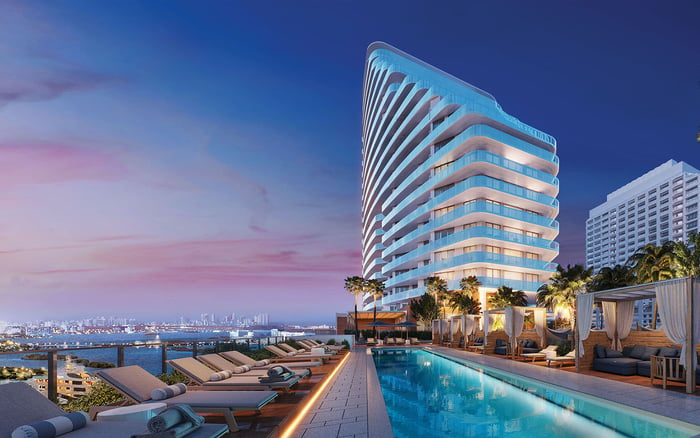
The rooftop program introduces a more social dimension through pools, plunges, tropical landscaping, cabanas, outdoor dining and bar space, and a pickleball court. A private dining room with a catering kitchen and bar is also planned for resident entertaining. Wellness here is not framed solely as solitary discipline; the program leaves room for gathering and leisure.
None of these features should be read as proof of improved longevity or medical outcomes. Their residential appeal is access and convenience, subject to the final operating model and each owner's preferences.
The distinction between exclusive and shared access is central to evaluating this address. Plans call for a resident-only pool, hot and cold plunges, private cabanas, and a second pool shared with THE WELL Club members. The Conservatory is designated for residents, while the broader development incorporates a wellness-club component.
That arrangement makes access rules as important as finishes. Buyers should establish which facilities are reserved for owners, how guests are accommodated, whether appointments are required, and what membership rights accompany a purchase. Concierge support and access to wellness services suggest a service-oriented residence, but access should not be confused with unlimited inclusion.
Ownership costs require equal attention. Unit-level association charges, membership fees, treatment pricing, and the services included with ownership are not established here. A meaningful comparison should separate recurring residential expenses from optional wellness spending and clarify how each may change.
For a buyer considering Four Seasons Residences Coconut Grove alongside THE WELL, the useful exercise is to identify the daily experience sought, then test each offering against it. Brand recognition alone does not answer questions about privacy, service inclusions, or the suitability of a particular home.
At THE WELL, the defining promise is the proximity of residential life to movement, recovery, professional wellness services, and community programming. Its relevance will depend on actual use. A buyer who values frequent appointments or structured movement may assess that proximity differently from someone primarily seeking private outdoor space and occasional access to shared facilities.
The comparison should therefore focus on routines rather than amenity counts. Which spaces would be used weekly? Which services would otherwise require a separate trip? Which shared settings would feel welcome rather than obligatory?
The anticipated opening is the fourth quarter of 2028, subject to confirmation. Buyers should verify the current schedule, final residential specifications, treatment availability, and club-access arrangements before relying on any particular feature.
THE WELL Coconut Grove is best understood as an integrated residential concept, not a guarantee of health outcomes or investment performance. Its potential distinction is a home supported by spaces and services that make a preferred routine easier to sustain. The purchase decision remains personal: the right floor plan, the right degree of privacy, and a clearly understood operating commitment.
For a discreet conversation about wellness-centered residences and your Coconut Grove priorities, connect with MILLION.
If branded residences are on your mind — as a home or as an allocation — we would be glad to share what we are seeing, privately.
Begin a quiet conversationThe project is planned for 2835 Tigertail Avenue in Coconut Grove, Miami.
Terra and AB Asset Management are developing the wellness-centered condominium project.
Plans call for 194 residences across eight stories, alongside wellness-club, office, and retail components.
The residential mix includes flats, lofts, and townhomes, with one- to four-bedroom layouts spanning approximately 960 to 4,200 square feet.
Indicated pricing starts around $1.5 million, with upper-end residences priced above $10 million. Current availability and individual residence pricing require confirmation.
Every residence is planned with a private balcony or terrace. Select townhomes are also planned with private garden entries.
Planned offerings include movement classes, massage, acupuncture, functional medicine, nutrition, physical therapy, and other wellness services. Final availability and costs require confirmation.
No; plans distinguish resident-only spaces, including a pool and the Conservatory, from a second pool shared with THE WELL Club members.
The available details do not establish which services are included or the applicable membership, treatment, and association charges. Buyers should confirm these terms before committing.
The anticipated opening is the fourth quarter of 2028, subject to confirmation with the developer.