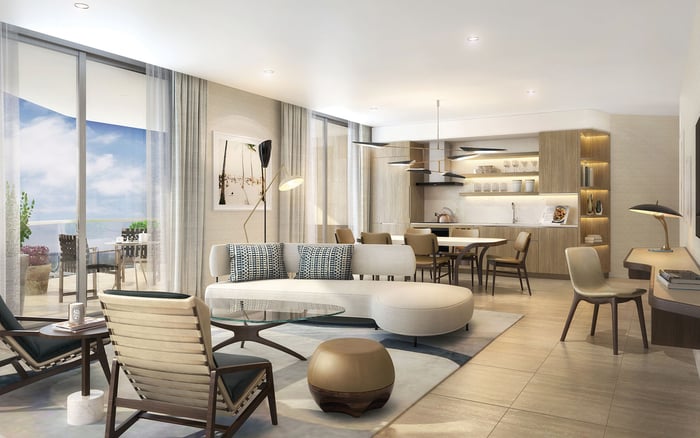
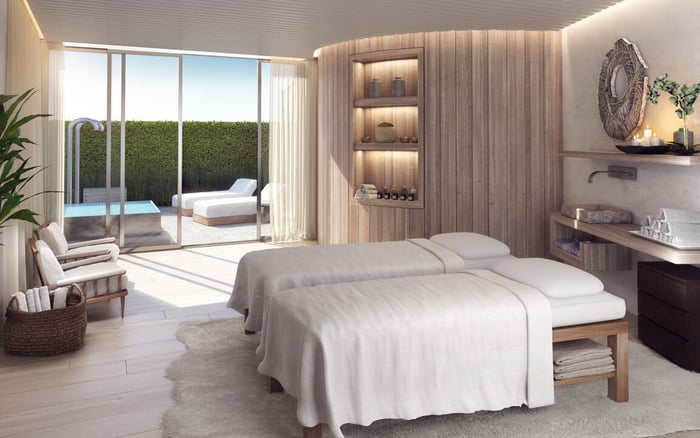
A buyer-focused due-diligence guide comparing terrace usability, view durability, and exterior maintenance exposure at The Well Coconut Grove and Auberge Beach Residences & Spa Fort Lauderdale.
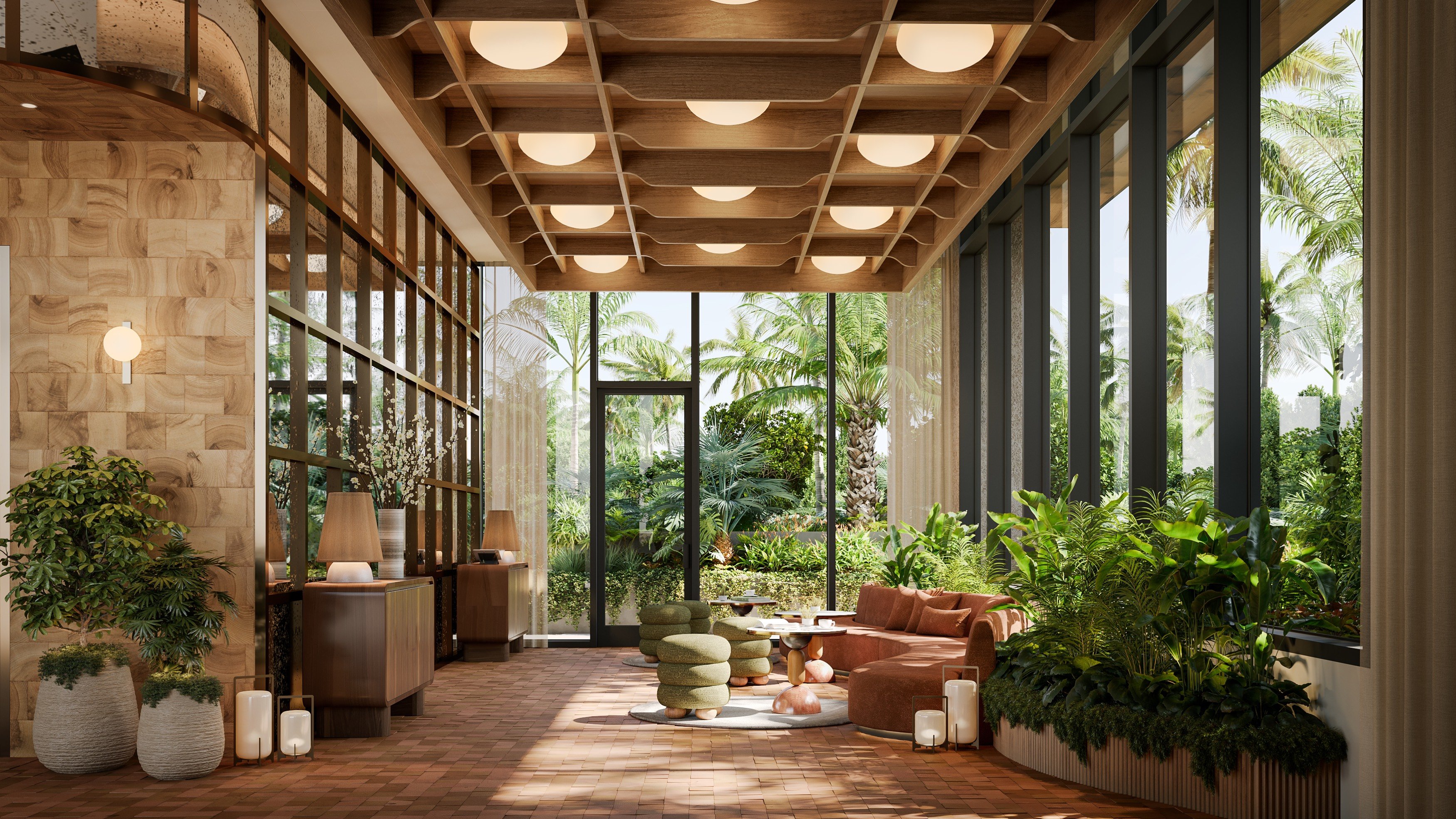
In South Florida luxury condominiums, the private terrace is often the emotional close. It is where buyers imagine sunrise coffee, evening conversation, a quiet reading chair, or an outdoor dining table that makes the residence feel larger than its interior plan. For serious buyers, however, the terrace deserves a more disciplined read. It is not simply balcony square footage. It is functional real estate, exposed architecture, and, in many cases, a future maintenance variable.
That distinction matters when comparing The Well Coconut Grove and Auberge Beach Residences & Spa Fort Lauderdale. Both appeal to buyers who value outdoor living, wellness, privacy, and water-oriented South Florida settings. But the due-diligence questions are different. The Well Coconut Grove sits in a near-water Miami environment shaped by humidity, tree canopy, neighboring buildings, orientation, and Grove privacy expectations. Auberge Beach Residences & Spa Fort Lauderdale brings a beachside Fort Lauderdale lens, where light, sea breezes, water views, and exterior exposure become central to both daily enjoyment and long-term ownership.
For buyers, the right question is not, “How large is the terrace?” It is, “How usable, durable, private, maintainable, and valuable is this outdoor space over time?”
At The Well Coconut Grove, terrace analysis should begin with depth. A terrace that appears generous in photography can be less compelling if it cannot comfortably hold a table, lounge seating, circulation space, and planters without feeling congested. Conversely, a smaller terrace with better depth, usable geometry, and shade can feel more valuable than a larger but shallow or highly exposed outdoor area.
The essential exercise is to map furniture, not just measurements. Can four people dine without blocking the door swing or sliding-door track? Is there a protected place for a sofa or chaise? Does the terrace allow movement around furniture, or does every piece need to be pushed against the railing? These questions determine whether the outdoor area functions as a true room or merely as a narrow viewing platform.
Coconut Grove also requires a more nuanced view analysis than a simple water-versus-city comparison. View quality may depend on orientation, surrounding development, tree canopy, neighboring buildings, and the specific unit’s sightline height. A lower residence may offer intimacy, shade, and greenery, while a higher one may trade some canopy character for longer sightlines. Neither is automatically superior. The better choice depends on whether the buyer values privacy and softness or broader visual reach.
Daily sun exposure should be tested in practical terms. Morning light, afternoon heat, overhang protection, and privacy sightlines all affect whether the terrace will be used frequently or admired from indoors. Buyers should also assess wind and noise, even in a more sheltered near-water setting. The Grove can feel lush and protected, but humidity and marine air still matter.
For this property, terrace due diligence sits at the intersection of The Well Coconut Grove, Coconut Grove, outdoor usability, and private-view analysis.
Auberge Beach Residences & Spa Fort Lauderdale requires a different lens because the terrace experience is closely tied to the coast. The water-oriented setting can be powerful: sunrise light, open views, coastal air, and the sensory immediacy of beachside living. That is the appeal. It is also why diligence must be sharper.
East-facing terraces may be highly usable in the morning, particularly for coffee, exercise, or quiet outdoor routines. Later in the day, however, exposure can become less forgiving if the terrace lacks adequate overhangs, shade systems, or wind protection. Strong coastal breezes can affect dining, lounging, loose furniture, plantings, and even the pleasure of keeping doors open for long periods.
View quality at Auberge Beach should be separated into two categories: immediate impact and durability. A dramatic water view is not the same as a durable long-term sightline. Buyers should examine elevation, tower position, and sightlines relative to neighboring structures. The better the due diligence, the clearer the distinction between a view that photographs beautifully and a view that remains satisfying through daily use and future resale conversations.
Maintenance exposure is also more pronounced in coastal settings. Salt-laden air can accelerate corrosion and stress exterior building components. Balcony railings, fasteners, sliding-door systems, waterproofing, sealants, outdoor furnishings, exterior kitchen elements, and terrace finishes all deserve close inspection. Beachside ownership is not merely about proximity to the water. It is about understanding the lifecycle cost of living near it.
This is where Auberge Beach Residences & Spa Fort Lauderdale, Fort Lauderdale, and oceanfront-style due diligence become inseparable.
Terrace square footage is a seductive but incomplete metric. Two terraces with identical area can live very differently. One may have enough depth for outdoor dining and lounging, a shaded corner, protected thresholds, and a comfortable relationship to the interior rooms. Another may be long, shallow, windy, fully exposed, and difficult to furnish.
Buyers should study orientation, shade, privacy, noise, wind, drainage, and furnishable depth before assigning value. A terrace that works at 8 a.m. but becomes unusable by 2 p.m. has a different lifestyle value than one that remains comfortable through multiple parts of the day. Similarly, a terrace with strong views but limited privacy may not serve buyers who expect a discreet outdoor room.
Door systems matter as much as the view. Exterior doors, thresholds, tracks, drainage slopes, railings, soffits, waterproofing details, and terrace surface materials are not glamorous, but they define the ownership experience. A luxury terrace should feel effortless, yet that ease depends on construction quality, maintenance protocols, association standards, and responsible budgeting.
The most disciplined buyers also consider resale. Outdoor space that is genuinely livable can strengthen a residence’s appeal. Outdoor space that is expensive to maintain, difficult to furnish, or uncomfortable in real conditions may not carry the same premium, regardless of how impressive it looks in marketing imagery.
Before assigning significant value to a terrace, buyers should request architectural plans, terrace dimensions, association rules, exterior-maintenance responsibilities, budget information, reserve details, and any available inspection materials. The goal is not to make the purchase feel clinical. It is to protect the lifestyle promise.
At The Well Coconut Grove, that means confirming how much of the terrace is practically usable, how privacy and shade change by orientation, and what responsibilities the owner may have for exterior finishes, furniture, planters, doors, or drainage-related upkeep. In a humid near-water setting, metals, glass, door tracks, and terrace finishes should be reviewed with corrosion and wear in mind.
At Auberge Beach, the same review should be especially sensitive to salt exposure and wind. Buyers should ask how railings, fasteners, sliding systems, sealants, waterproofing, exterior kitchens, and balcony surfaces are maintained. Association rules can also affect shade devices, furniture selections, planters, and the appearance of outdoor spaces.
Large terraces can be both an amenity and a cost center. They may increase exposure to maintenance, insurance, reserves, and future assessments. That does not diminish their appeal. It simply means the terrace should be underwritten as carefully as the interior finishes.
For The Well Coconut Grove, the strongest terrace is likely the one that balances privacy, shade, furnishable depth, and view durability within the Grove’s layered, near-water context. For Auberge Beach Residences & Spa Fort Lauderdale, the strongest terrace is likely the one that captures the coastal experience while controlling wind, sun, salt, and long-term exterior exposure.
In both cases, sophisticated buyers should resist easy conclusions. Bigger is not always better. Higher is not always more valuable. A dramatic view is not always a durable view. A beautiful terrace is not always a comfortable terrace.
The right terrace is the one that can be lived in, maintained intelligently, and defended in resale conversations. In South Florida’s ultra-premium market, that is the difference between outdoor square footage and outdoor value.
Why is terrace depth more important than total square footage? Depth determines whether the terrace can hold real furniture, circulation, dining, and lounging without feeling like a narrow ledge.
What should buyers verify at The Well Coconut Grove? Buyers should review plans, terrace dimensions, association rules, maintenance responsibilities, reserve information, and the specific unit’s orientation.
Why is Auberge Beach more maintenance-sensitive? Its coastal setting can expose exterior components to salt-laden air, stronger breezes, and more demanding lifecycle maintenance.
Can a smaller terrace be more valuable than a larger one? Yes. A smaller terrace with shade, privacy, and usable depth may outperform a larger terrace that is shallow, windy, or overexposed.
How should buyers evaluate view quality? They should separate immediate visual drama from long-term view durability, including elevation, tower position, and neighboring sightlines.
What exterior components deserve close inspection? Doors, thresholds, tracks, railings, soffits, drainage slopes, waterproofing, sealants, fasteners, and surface materials all matter.
Does morning sun make a coastal terrace more usable? It can, especially for early routines, but buyers should also consider later-day heat, glare, wind, and available shade.
Are association rules important for terrace use? Yes. Rules may affect furniture, shade systems, planters, exterior kitchens, maintenance duties, and visible terrace changes.
Should buyers budget differently for large terraces? Yes. Large outdoor areas can increase exposure to maintenance, reserves, insurance considerations, and possible future assessments.
What is the core due-diligence principle for both properties? Treat the terrace as a functional outdoor room and exposed building component, not as decorative square footage.
When you're ready to tour or underwrite the options, connect with MILLION.
If branded residences are on your mind — as a home or as an allocation — we would be glad to share what we are seeing, privately.
Begin a quiet conversation