A buyer-focused checklist for distinguishing Shore Club’s advertised residential amenities from confirmed emergency-power coverage, with precise questions for residence circuits, elevators, common areas, fuel and operating limits.
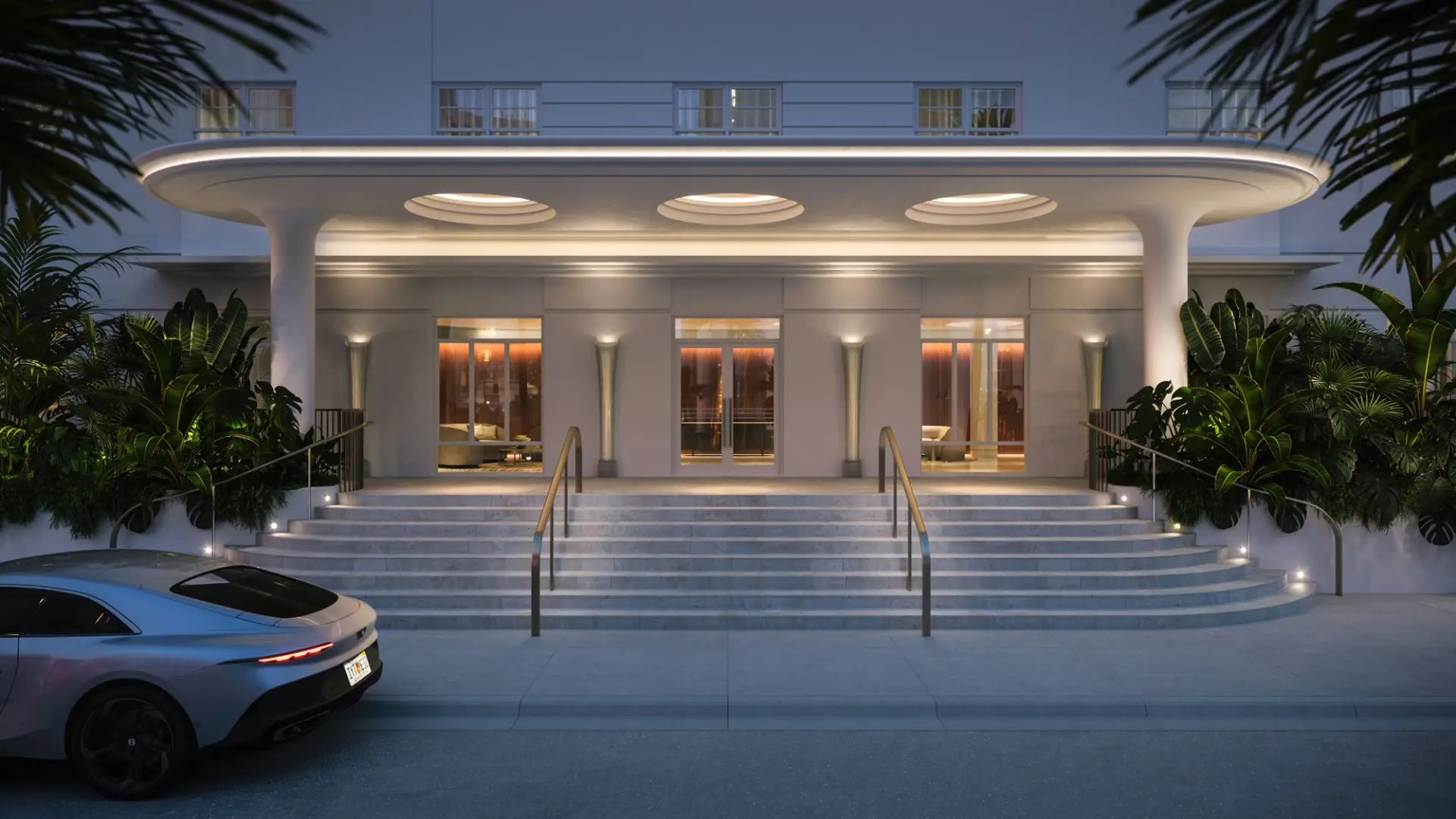
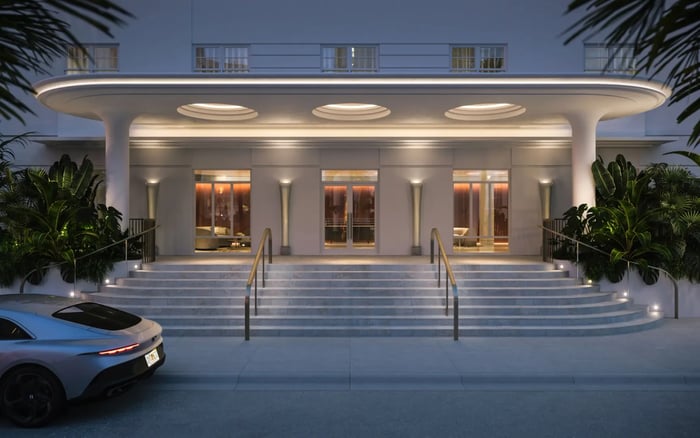
At Shore Club Private Collections Miami Beach, the appeal begins with a distinctive address: 1901 Collins Avenue, on the historic Shore Club hotel site. The collection comprises 49 residences, with architecture by Robert A.M. Stern Architects and amenities designated exclusively for residential owners. The redevelopment is planned under the Auberge Resorts Collection brand.
For a serious buyer, however, architectural distinction and service do not answer a practical question: what remains usable when utility power fails?
Emergency-power coverage inside the residences and across common areas remains unconfirmed here.
No specific capacity, fuel supply, runtime or backed-up circuit should be assumed. This does not establish that coverage is absent. It makes written, residence-specific confirmation an essential part of the purchase review.
The key distinction is between an advertised feature and a documented outage capability. Floor-to-ceiling impact-resistant glass, for example, is advertised but establishes nothing about electrical continuity. Apply the same discipline to every appliance, elevator and service your household expects to rely on.
Begin with the exact residence under consideration, not a general assurance that the building has emergency power. Ask the project team to identify which loads, if any, receive backup supply and tie each answer to the applicable electrical documentation.
Use these questions as the core of the review:
Cooling: Is any residential air-conditioning equipment backed up? If so, which rooms or zones, under what operating limits, and with which supporting equipment?
Refrigeration: Are the refrigerator, freezer and any specialty cold-storage appliances connected to backed-up circuits, or excluded?
Lighting and outlets: Which fixtures and receptacles receive power? Request locations rather than descriptions such as “selected outlets.”
Connectivity and controls: What coverage, if any, applies to in-residence networking equipment, access controls and installed home-automation components?
Water and daily use: What electrical dependencies affect water delivery, hot water, bathroom use and kitchen appliances, and which are supported?
None of these items is a confirmed Shore Club backup feature. Each requires a separate answer.
Ask whether coverage changes with the residence layout, selected finishes or owner alterations. Request an annotated floor plan paired with a circuit schedule that identifies included equipment, exclusions and restrictions on simultaneous use.
Shore Club’s residential program includes secure underground parking with dedicated elevator access. The private entrance and lobby are planned on 20th Street in the landmarked Cromwell House, across from the residential entrance to Setai Residences Miami Beach. A private motor court, chauffeur room and house cars with chauffeur service complete the advertised arrival program.
Review that sequence as a complete route, not a single amenity. Request written coverage details for garage entry equipment, pedestrian doors, access readers, intercoms, lighting and elevator access. Ask separately about ventilation, drainage or pumping equipment serving the garage.
For elevators, establish which cars, if any, have backup supply, which floors they can serve and who controls their operation during an outage. Do not infer a minimum number of available cars or assume that electrical availability authorizes resident use. Obtain the building’s emergency procedures rather than treating an elevator as an evacuation plan.
The review should also establish how residents receive instructions if their usual route becomes unavailable. A dedicated entrance is valuable; its operating conditions during an outage are a separate matter.
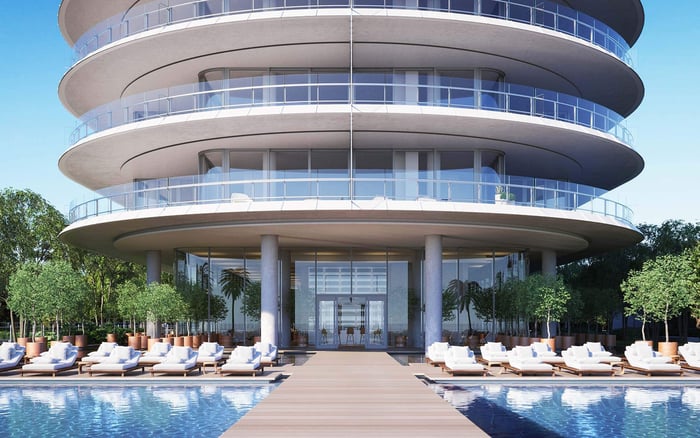
Advertised offerings include 24-hour reception and concierge service, Sunrise and Sunset pools, an outdoor spa, cabanas and poolside food-and-beverage service. These describe the intended lifestyle, not a verified emergency operating schedule.
Ask management for two distinct answers: which equipment receives emergency power, and which services staff intend to provide under the relevant conditions. Request specifics for reception communications, security equipment, common-area cooling and any designated resident gathering space.
For resort amenities, ask whether pools, spa facilities and food service would close, operate selectively or remain available-and who makes that determination. Powered equipment is not a promise that an amenity will open.
Where residential and resort functions intersect, request a clear explanation of operating responsibility and any power-priority rules. Ownership exclusivity does not itself establish electrical priority.
The collection includes a detached Beach House, presented as a single-family residence within the development. Its advertised features include an infinity-edge rooftop pool, covered loggia and gardens.
Request a dedicated electrical and operating review for that property rather than assume that answers for another residence apply. Ask whether it shares backup infrastructure, whether any equipment has a separate supply and how its loads are prioritized.
Explicitly include pool equipment, exterior lighting, access systems and residential cooling in the request. The Beach House’s distinctive configuration warrants its own documentation; none of those systems has confirmed emergency-power coverage here.
Once the proposed backed-up loads are identified, ask how the system is intended to support them. Request generator capacity, fuel type, usable fuel supply, stated runtime and the operating assumptions behind any duration estimate. Shore Club-specific figures remain open questions until documented.
Ask whether the stated duration covers the full proposed backup load or a reduced operating condition. Request details of automatic or manual load prioritization, including which residential or amenity loads could be disconnected and under what circumstances.
Operating responsibilities matter equally: who monitors the equipment, what refueling arrangements are contemplated, how testing is documented and how residents receive updates. Ask what interruption to expect when backup supply starts and when utility service returns.
Have an independent electrical professional review the technical response and your attorney review any related purchase representations. If documents are preliminary, ask which details remain subject to change and when final documentation and testing records will be available.
For buyers also considering The Perigon Miami Beach, use the same written questions rather than infer equivalence from positioning or amenity presentation. This is a diligence framework, not a comparison of either property’s verified backup capabilities.
Create a concise decision sheet with four entries for every essential function: coverage status, operating restriction, supporting document and responsible contact. Keep unanswered items visible. If cooling, refrigeration or access is essential to your purchase decision, ask counsel how the agreed representation should be recorded.
The standard is straightforward: know what is supplied, what is excluded, how long the stated supply is intended to last and who controls its use. Until those answers are documented, emergency power should remain an unresolved purchase consideration-not an assumed luxury feature.
For a discreet conversation about your Miami Beach residence search, connect with MILLION.
If branded residences are on your mind — as a home or as an allocation — we would be glad to share what we are seeing, privately.
Begin a quiet conversationSpecific residential circuits and common-area loads are not confirmed here. Request written coverage details for the exact residence and the shared facilities you expect to use.
Residential air-conditioning coverage is unconfirmed. Ask which equipment and zones, if any, receive backup supply and what operating restrictions apply.
Neither refrigeration nor outlet coverage is confirmed. Request an annotated plan and circuit schedule identifying included appliances and receptacles.
No outage capability is established by the advertised dedicated elevator access. Ask which cars, if any, are supplied and obtain the procedures governing their use.
No. Obtain the building’s emergency procedures and do not treat possible backup supply as authorization to use an elevator for evacuation.
The advertised service does not establish backup-power coverage. Ask separately about powered equipment and the services management intends to provide during an outage.
No emergency operating commitment is established here for those amenities. Request both equipment-coverage details and management’s closure or limited-operation policies.
Request capacity, fuel type, usable supply and the load assumptions behind any runtime estimate. No Shore Club-specific capacity or duration is confirmed here.
Yes, buyers should request property-specific documentation rather than assume another residence’s coverage applies. Include its rooftop pool equipment, exterior systems and residential loads in the questions.
Consider an independent electrical professional for technical documentation and your attorney for purchase representations. Keep unresolved coverage questions visible before committing.