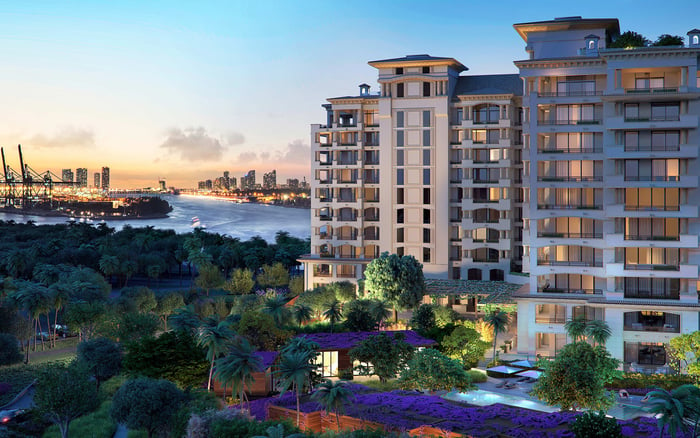
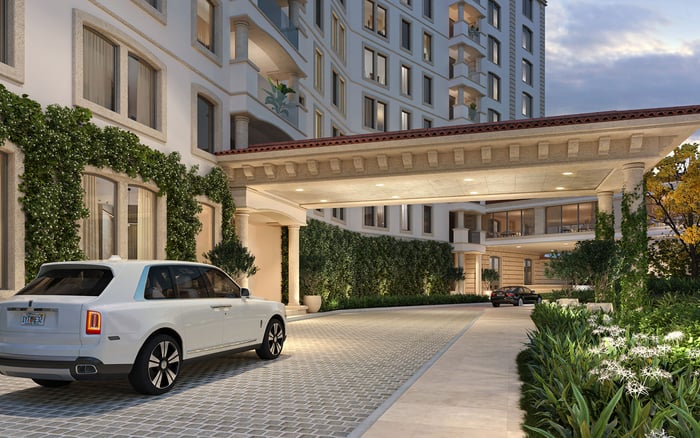
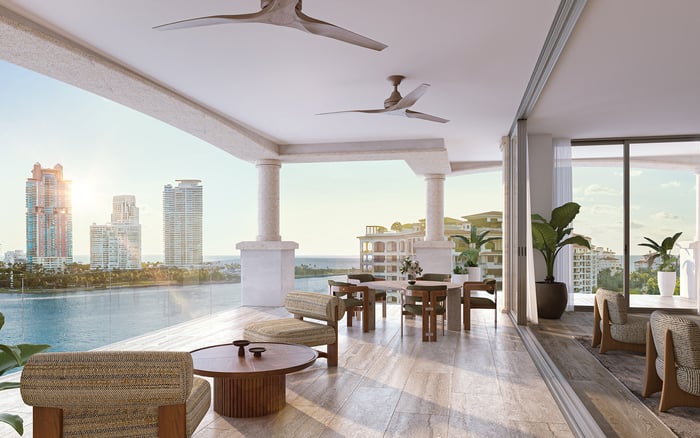
At Palazzo della Luna, optional self-parking and advertised EV capacity are starting points, not residence-specific guarantees. A serious buyer should confirm parking rights, vehicle eligibility, daily service procedures, and charging arrangements before closing.
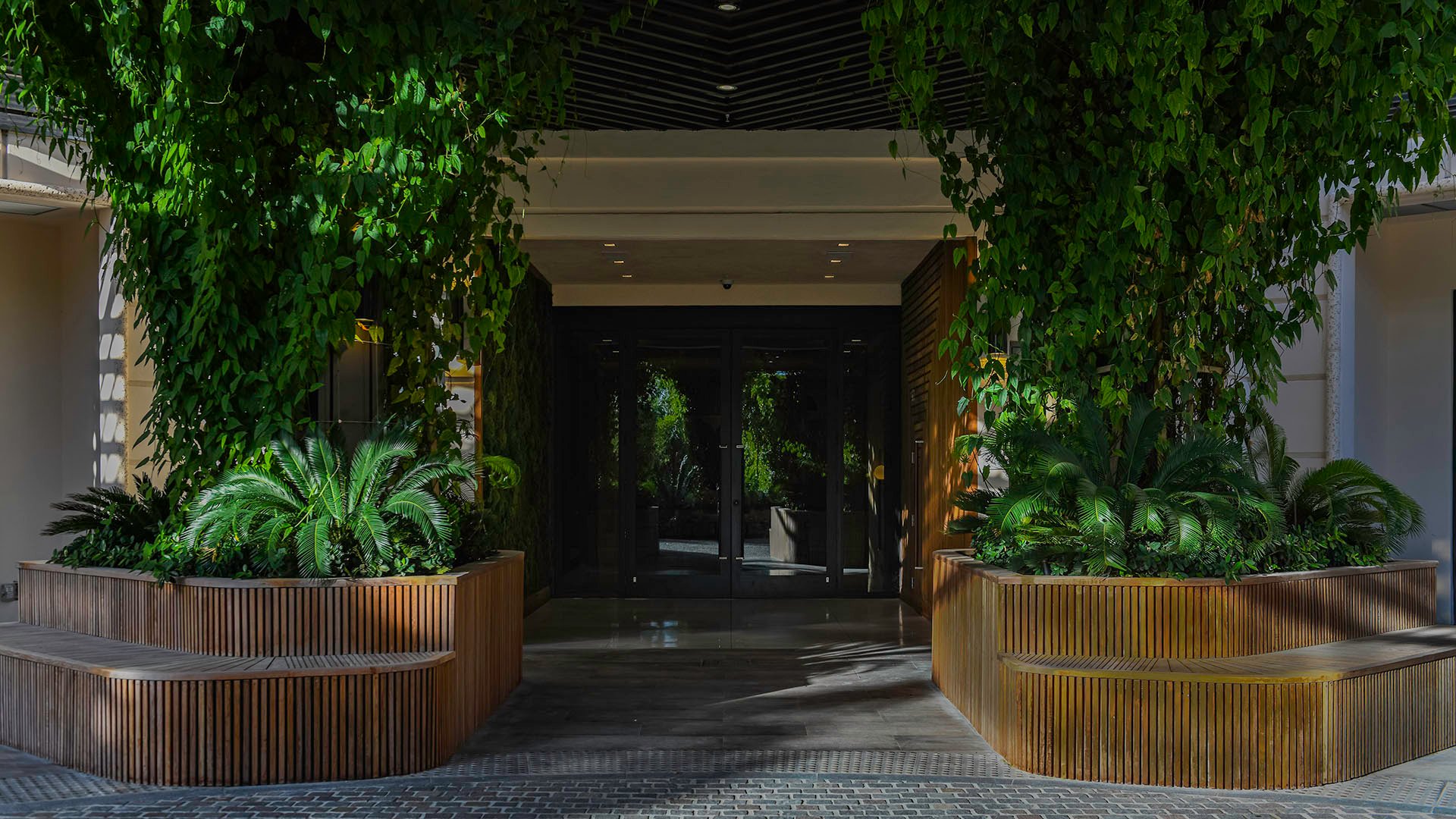
The most revealing part of a condominium viewing may be the journey from the driver’s seat to the front door. At Palazzo della Luna Fisher Island, a 50-residence condominium, the ownership question is not simply whether valet is available. It is whether the parking arrangement supports the household’s preferred degree of independence.
The amenity offering includes “valet parking with optional self-parking,” alongside 24-hour front desk reception and security. The distinction matters: buyers should neither assume valet is mandatory nor read optional self-parking as unrestricted access to a particular bay.
The purchase decision should separate three matters: the parking rights attached to the residence, the procedures governing daily access, and the suitability of those spaces for the household’s intended vehicles.
Covered parking for vehicles and golf carts is part of the amenity offering, but it does not establish an individual residence’s allocation. Assigned parking is also part of the offering; an assignment, however, is not interchangeable with a deeded ownership interest.
For Palazzo della Luna and Palazzo del Sol, figures of two to three garage spaces and two open parking spaces per unit should prompt investigation-not be treated as a contractual entitlement for the residence under consideration.
Before closing, request the parking schedule and governing documents, then reconcile them with the purchase paperwork. The checklist should establish:
The exact number and identification of vehicle and golf-cart spaces.
Whether each right is deeded, assigned, or otherwise allocated.
Each space’s location, dimensions, access route, and permitted use.
Whether any allocation can change and what transfers with the sale.
Walk the actual spaces, not a representative parking area. For a household with several drivers, proximity and independent access may matter as much as the space count.
Round-the-clock valet does not, by itself, establish retrieval times, advance-request procedures, or arrangements for simultaneous departures. Nor do 24-hour reception and security answer every question about vehicle access.
Arrange to observe an arrival and departure during a period management identifies as busy. Request a vehicle as an owner would, and discuss an early departure or late return. A smooth demonstration is useful; written operating details are more valuable.
Ask whether owners can access their assigned bays directly, what credentials self-parking requires, and whether keys must remain with staff. Confirm arrangements for household employees, authorized drivers, visitors, and overnight guests. None of these permissions should be inferred from the availability of valet.
For buyers also considering The Residences at Six Fisher Island, apply the same arrival checklist rather than assuming identical island operating practices. Compare documented convenience, not untested impressions of service.
“Oversized” can obscure two distinct questions: whether a vehicle belongs to a restricted category, and whether it can safely navigate the garage and occupy the assigned space.
The island rules prohibit parking or storing trucks, motorcycles, commercial vehicles, campers, mobile homes, house trailers, recreational vehicles, boats, boat trailers, and vans except in enclosed garages or specifically designated spaces. This is not a blanket prohibition on every large SUV. Equally, the enclosed-garage exception is not automatic approval for a particular vehicle or bay.
Send management the exact make, model, configuration, and dimensions of each intended vehicle. Request written confirmation of its classification and permitted parking location, then arrange a fit check where possible.
Measure more than the painted rectangle. Ask about entrance clearance, turning space, door opening, and any applicable height, width, length, or weight limits. No numerical limits are established here. Include roof accessories and other modifications in the measurements submitted for approval.
Palazzo della Luna’s amenity offering includes “capacity for electric car charging stations.” That is materially different from an installed charger, completed wiring, or confirmed electrical capacity at every assigned bay.
For an EV-dependent household, resolve the charging arrangement before treating it as a move-in convenience. Ask management to confirm the following in writing:
Whether the intended bay has an installed, operational charger.
What electrical capacity is available for that specific installation.
Which association approvals and installation arrangements are required.
Who pays for equipment, installation, maintenance, and electricity.
How two household EVs could charge simultaneously, if needed.
If installation is still required, request a scope, cost estimate, and anticipated approval sequence. Clarify how charging works with valet and self-parking: who connects the vehicle, and whether it must move to another space to charge.
The practical standard is straightforward: understand how the household’s vehicles will charge overnight rather than relying on a general statement of capacity.
The amenity offering includes covered golf-cart parking alongside vehicle parking, as well as a PDL Signature Garia golf cart with dedicated charging stations. Air-conditioned storage spaces are available for purchase, subject to availability. None of these amenities establishes that a particular resale includes a cart, charger, or storage space.
Confirm each item separately, including its allocation, availability, purchase terms where applicable, and transfer status. Golf-cart charging should not be confused with passenger-EV charging readiness.
Service visits deserve equal attention. Island rules allow illegally parked contractor and employee vehicles to be immobilized or booted. Common areas and condominium lawns are not overflow parking unless specifically designed and intended for parking.
Before scheduling movers, installers, or recurring household services, obtain current instructions for vehicle approval, arrival, unloading, and parking. A temporary visit still requires a clear parking arrangement.
For an owner who arrives intermittently, unanswered parking questions can become immediate inconveniences. Ask how authorized drivers retrieve vehicles during an absence, how any agreed charging arrangement operates, and whom to contact when plans change. Confirm these procedures rather than assuming concierge coverage resolves them.
The final diligence file should contain the residence’s parking schedule, applicable governing provisions, written vehicle confirmations, and any necessary charging approvals or installation estimates. Have counsel review the parking rights and clarify discrepancies before closing.
Luxury here is not simply the availability of assistance. It is the ability to choose assistance or independence with a clear understanding of both. Current written confirmation from building management and the relevant association should anchor that choice.
For a discreet approach to evaluating Fisher Island ownership, explore MILLION.
If branded residences are on your mind — as a home or as an allocation — we would be glad to share what we are seeing, privately.
Begin a quiet conversationThe published amenity offering includes valet parking with optional self-parking. Confirm current access procedures and how self-parking works for the specific residence.
Round-the-clock valet is advertised, but retrieval times and detailed operating procedures are not established. Request current written confirmation of overnight service and advance-request arrangements.
A combined property description references two to three garage spaces and two open spaces per unit. Only residence-specific documentation can establish the actual allocation and rights.
Assigned parking is publicly described, but that does not establish deeded ownership. Review the parking schedule and governing documents with counsel.
The stated island rules do not establish a blanket ban on large SUVs. Confirm the exact vehicle’s classification, permitted location, and physical fit with management.
The rules restrict trucks, motorcycles, commercial vehicles, campers, mobile homes, house trailers, recreational vehicles, boats, boat trailers, and vans to enclosed garages or specifically designated spaces.
Advertised capacity for electric car charging stations does not establish an installed charger or wiring at every bay. Verify the intended space individually.
Simultaneous charging is not established. Ask about bay-specific electrical capacity, equipment, approvals, and billing for the proposed arrangement.
Covered golf-cart parking is advertised, and air-conditioned storage spaces are offered for purchase subject to availability. Confirm what is included and transferable with the particular residence.
Common areas and condominium lawns are not parking areas unless specifically designed and intended for that use. Illegally parked contractor and employee vehicles are subject to booting under the island rules.