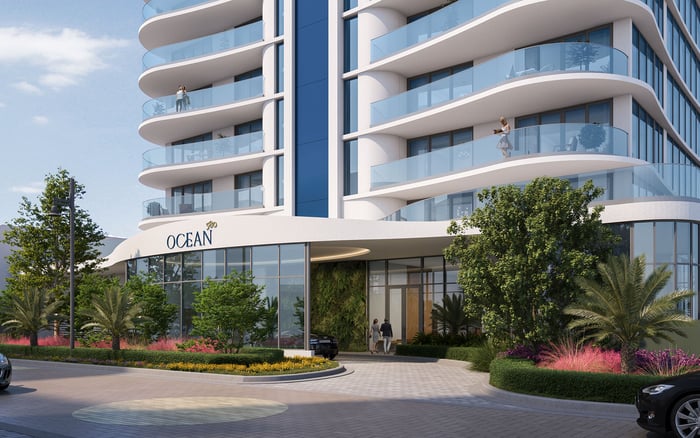
A private club and a residence with extensive amenities can promise a similar lifestyle while conveying very different rights. Compare initiation payments, recurring costs, everyday access and resale provisions before deciding what included really means.
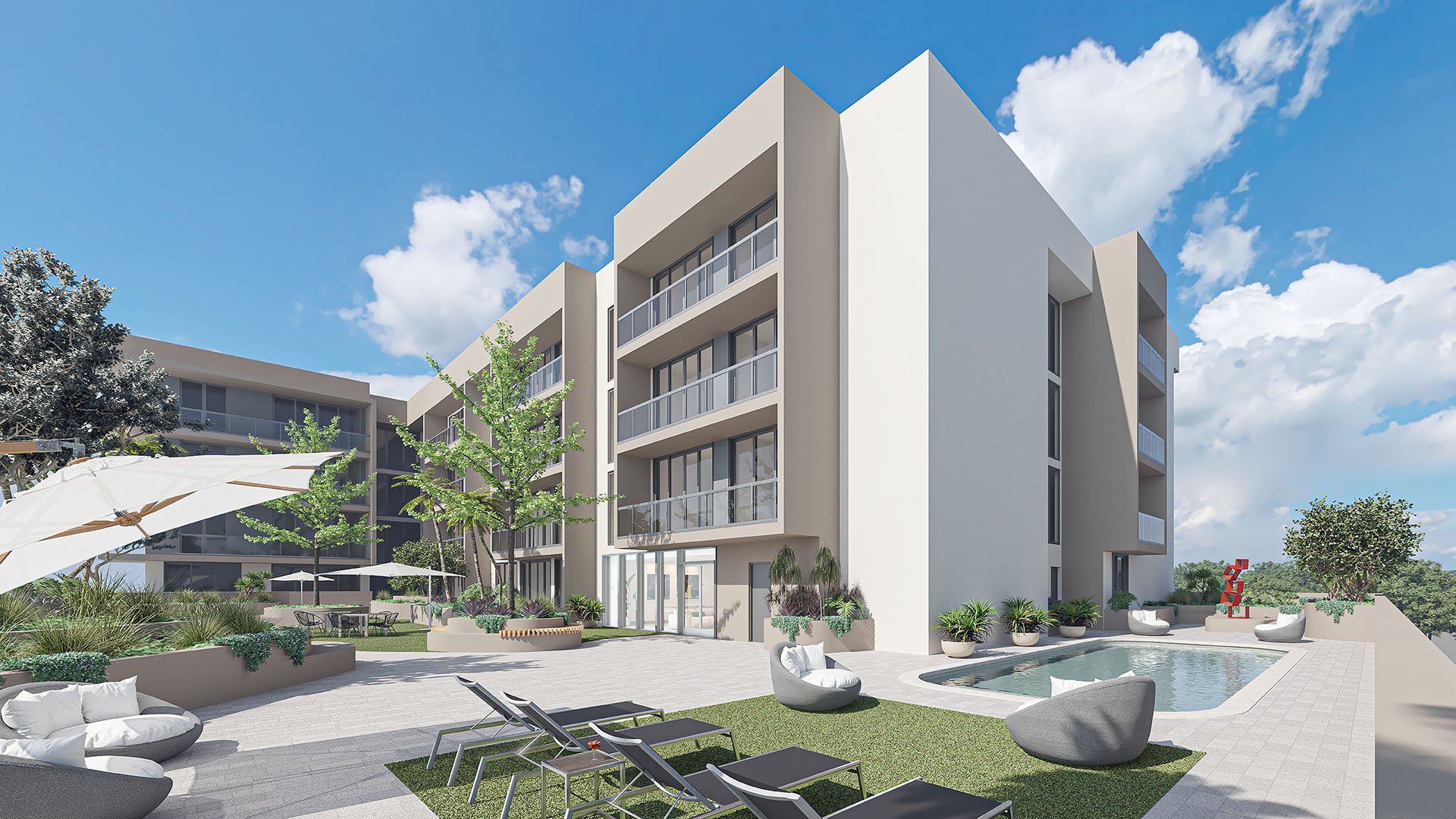
A private dining room, a shaded pool terrace and a beautifully appointed spa can make a club community and a condominium feel remarkably similar. For a buyer, however, the essential distinction is not aesthetic. It is contractual: what the residence conveys, what requires a separate membership and what remains subject to another operator’s rules.
Included membership is not unrestricted access. Nor does equity membership necessarily mean its cost will be recovered at resale. A useful comparison begins with three questions: what must be paid, who may use the facilities and what happens when the property changes hands.
For South Florida buyers, those answers should shape both the ownership budget and the value assigned to the promised lifestyle.
Some country clubs structure equity membership as an ownership interest in club assets, separate from the residence. The rights attached to that interest depend on the membership plan. Equity is therefore a defined legal arrangement, not shorthand for refundable capital.
Mandatory membership creates a different purchasing decision from optional membership. At Addison Reserve in Delray Beach, homeowners must purchase an equity club membership. Amenities include tennis, pickleball, a resort pool, spa, fitness center and multiple dining venues. A buyer is evaluating both the home and a required club commitment.
Another model funds club access through monthly HOA assessments rather than separate annual club dues. That changes where the expense appears, not whether it exists. Likewise, condominium amenities should not be assumed to carry no usage charges simply because they serve residents.
A buyer comparing that structure with a residence such as Alina Residences Boca Raton should request each property’s budget and access documents. Neither a club label nor a residential address answers the cost question on its own.
Indicative initiation payments for equity clubs around Jupiter and Palm Beach Gardens range from approximately $75,000 to $300,000+, with annual dues of $15,000-$30,000. Those expenses sit alongside property taxes and HOA assessments, not in place of them.
For Addison Reserve, estimated initiation fees are approximately $120,000-$145,000, with annual dues of $25,000-$30,000, depending on the club’s terms at purchase. These figures establish scale; they are not current offers or binding quotations.
Organize the comparison into distinct categories:
Entry costs: initiation, joining payments and any applicable taxes.
Recurring club costs: dues and any required charges confirmed in writing.
Property costs: condominium or HOA assessments, community charges and property taxes.
Usage costs: any separately priced services, activities or guest privileges.
Exit costs: any transfer payments or re-enrollment obligations established by the documents.
Request a dated fee schedule for the exact membership category. Comparisons can draw on figures from different years, and a headline initiation payment cannot describe the full carrying cost. Property taxes remain relevant under either model.
On Fisher Island, property ownership does not require club membership, but golf, the beach club, tennis and spa access are club-controlled. Membership can therefore be optional as a financial commitment yet central to the lifestyle a buyer intends to enjoy.
Indicative figures include approximately $350,000 for equity initiation, $38,000 in annual club dues and roughly $53,000 in separate community-association charges, subject to membership category. Treat these as distinct budget lines and confirm their current applicability to the contemplated purchase.
When evaluating The Links Estates at Fisher Island, distinguish the residence’s contractual rights from island club privileges. Ask which facilities the household could use without membership, then price the access it actually wants.
The distinction also matters for occasional residents. A club’s value depends less on the breadth of its offerings than on whether its rules accommodate the owner’s preferred season, guests and daily routine.
At Pier Sixty-Six Residences in Fort Lauderdale, buyers are offered a Founding Membership to the invitation-only Club at Pier Sixty-Six as part of their purchase. The described benefits include a members-only lounge and restaurant, a private pool with cabanas and bar, dedicated fitness facilities and a 13,000-square-foot spa and wellness facility.
That is a substantial lifestyle offering, but inclusion at purchase does not settle recurring dues, service charges, guest privileges or future transfer terms. Each requires written confirmation.
The membership also offers preferred dockage rates and wet-slip priority, alongside private charter experiences and curated programming. Priority is not ownership of a slip and should not be valued as guaranteed availability.
For buyers also considering Four Seasons Hotel & Private Residences Fort Lauderdale, the comparison should rest on the documents: identify the rights attached to each purchase rather than assuming different residential offerings use interchangeable access models.
Building amenities can resemble a private club without sharing its membership structure. At Las Olas Beach Club, amenities include sauna and steam rooms, 24-hour valet, a multipurpose clubroom, a theater-style screening room and fitness facilities.
Viceroy Residences Fort Lauderdale is marketed with more than 30,000 square feet of private amenities, including two pools, spa, fitness studios, entertainment rooms, workspaces and concierge services. The marketed package also includes offsite beach-club access, which warrants scrutiny separate from the facilities within the building.
Ask who operates each space, what reservations are necessary, whether capacity limits apply and which services cost extra. Establish whether spouses, other household members, guests and tenants have equivalent rights. For offsite access, request the governing agreement and its provisions for duration, changes and termination.
Square footage describes scale. Access rules determine whether those facilities serve the way an owner actually lives.
Property-based eligibility is not automatic transferability. Eligibility alone does not establish guaranteed admission for a subsequent buyer or refundable equity for the seller.
Club bylaws and membership plans determine whether membership follows the property or the owner, and whether resale requires approval, re-enrollment or transfer payments. Review these alongside the condominium or HOA documents and any purchase-specific membership agreement.
Before committing, have counsel clarify what survives a sale, what the next buyer must pay and which rights can change. The strongest choice is not necessarily the most expansive amenity collection. It is the residence whose documented costs and usable privileges fit the household, without relying on assumptions about inclusion or resale.
Explore South Florida residences with a more discerning view of ownership and access at MILLION.
If branded residences are on your mind — as a home or as an allocation — we would be glad to share what we are seeing, privately.
Begin a quiet conversationSome equity memberships convey an ownership interest in club assets separate from the home. The membership plan defines those rights and does not necessarily guarantee a refund at resale.
Some communities fund club access through HOA assessments, while others charge separate club dues. Review the property budget and membership fee schedule together.
Homeowners must purchase an equity club membership. Estimated initiation fees are approximately $120,000–$145,000 and annual dues are $25,000–$30,000, subject to the terms at purchase.
Ownership does not require club membership, but core amenities including golf, the beach club, tennis and spa are club-controlled. Confirm the privileges attached to the specific purchase and membership category.
Inclusion at purchase does not establish freedom from recurring dues or usage charges. Pier Sixty-Six buyers should obtain written confirmation of those obligations and access conditions.
No. Pier Sixty-Six membership offers wet-slip priority and preferred dockage rates, which should not be treated as slip ownership or guaranteed availability.
The presence of resident amenities does not establish that every service is free of usage charges. Confirm the assessment-funded facilities and any separately priced services.
Request the governing agreement and confirm reservations, capacity limits, charges and guest or tenant rights. Also review how long the arrangement lasts and whether it can change or terminate.
Not necessarily. Club bylaws and membership plans determine whether resale requires approval, re-enrollment or transfer payments, and property-based eligibility alone does not guarantee admission.
Review the current fee schedule, membership plan, club bylaws, condominium or HOA documents and any purchase-specific access agreement. Have counsel clarify recurring obligations, user rights and resale treatment.