At Mr. C Tigertail, enduring value depends on more than a celebrated hospitality identity. Buyers should test the association’s operating discipline, contractual brand protections, shared-cost structure and replacement planning before assigning a durable premium to the residence.
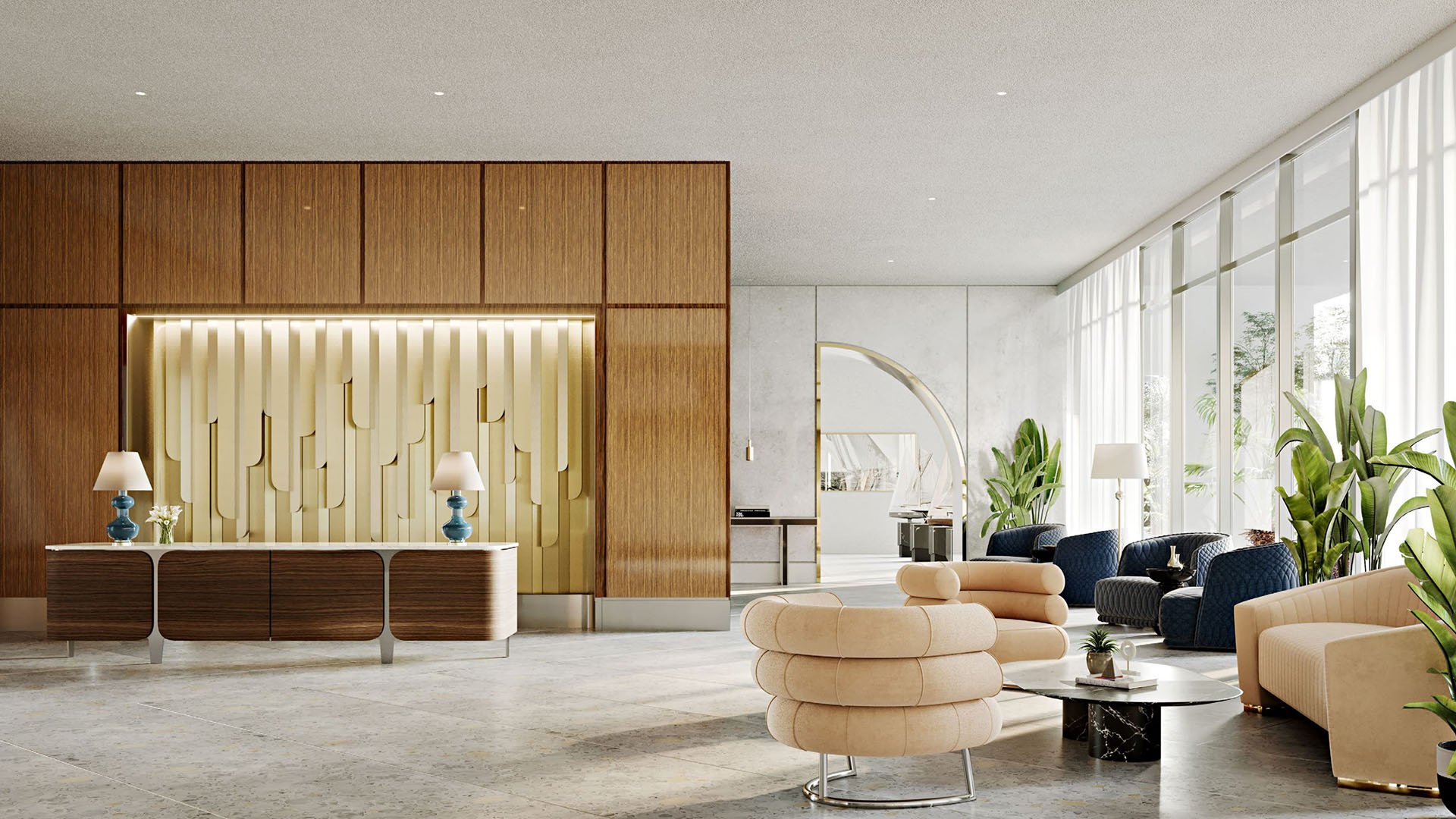
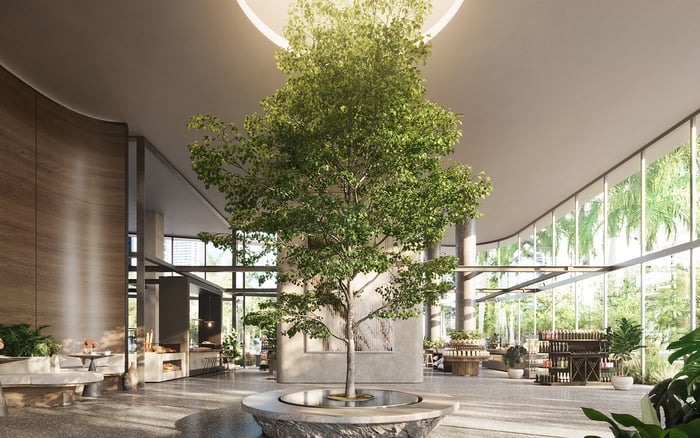
Completed in 2024 at 2678 Tigertail Avenue, Mr. C Tigertail Coconut Grove is a 21-story condominium developed by Terra, with architecture by Arquitectonica and interiors by Meyer Davis. Its position just off South Bayshore Drive affords views across Coconut Grove, Biscayne Bay and the neighborhood’s greenery. The location gives the property intrinsic appeal independent of its hospitality identity.
The residences range from one to four bedrooms, with presented floor areas of roughly 648 to 3,555 square feet, depending on unit type and presentation. Residence counts conflict, ranging from 125 to 138. A serious buyer should therefore begin with the recorded declaration, amendments and ownership exhibits-not a marketing summary. Confirm the legal unit count, percentage interests, limited common elements and any commercial or separately owned components.
Mr. C Tigertail Coconut Grove belongs in the conversation around Coconut Grove Branded Residences, but the brand should be treated as a contractual and operational framework rather than decorative shorthand. For buyers, the decisive question is whether that framework can preserve a recognizable standard without destabilizing ownership costs.
A branded residence keeps its premium only when service, maintenance and funding remain aligned.
Terra partnered with Maggio Cipriani’s Mr. C, connecting the condominium to the Cipriani family’s hospitality platform. The separate Mr. C Coconut Grove hotel-with 100 guestrooms and suites, private terraces, Italian dining, and a rooftop restaurant and bar-adds local recognition. It does not, by itself, establish access, discounts or privileges for condominium residents.
Request the licensing or management agreement and read it alongside the condominium documents. Focus on the term, renewal rights, fee structure, service requirements, quality-control provisions, default remedies and termination triggers. Determine who can change the operator, which approvals are required and whether losing the name would require physical alterations or other transition costs.
Apply the same discipline when comparing the proposition with Cipriani Residences Brickell or other hospitality-oriented properties. A recognizable name can shape demand, but buyers should compare the underlying agreements, resident rights and recurring costs rather than assume related brand language provides equivalent protections.
Advertised amenities include valet service, covered parking, rooftop and lap pools, private cabanas, towel service, and fitness, yoga and Pilates facilities. Each carries a recurring cost profile. Payroll, vendor contracts, utilities, supplies, repairs, insurance and preventive maintenance must collectively support the experience residents believe they are purchasing.
Obtain the current budget, all available year-to-date statements, audited financials and board minutes. Compare budgeted expenses with actual results, focusing on valet, pool operations, staffing, insurance, utilities and repairs. Ask whether initial contracts reflect stabilized pricing, introductory arrangements or developer-period assumptions. Identify material variances and determine whether the next budget corrects them.
A newly completed, Move-In Ready tower may look pristine even as its operating history remains brief. That makes early discipline especially important. Review work-order practices, vendor oversight and preventive-maintenance calendars. Confirm whether service standards are measured, who monitors performance and how resident complaints translate into documented corrective action.
Association-level building information does not disclose a replacement-reserve schedule or funding ratio. Buyers should obtain the current reserve study or schedule, contribution policy and reserve balances through diligence. The objective is not simply to locate a reserve line item, but to understand whether the funding assumptions correspond to the property’s actual components, expected timing and intended quality.
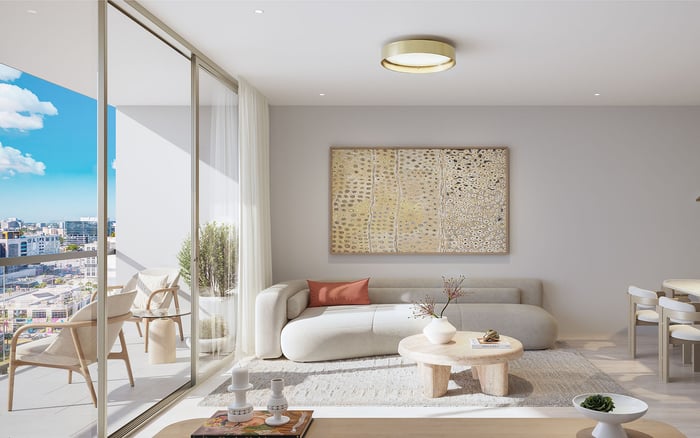
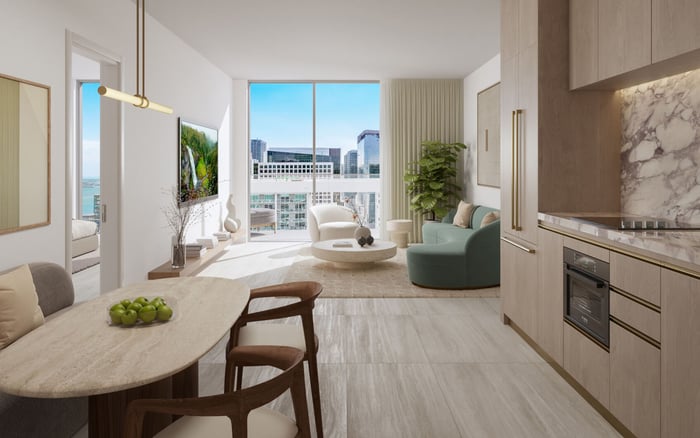
Pools, cabanas, fitness spaces, parking systems and service areas will require maintenance and eventual renewal. Residence specifications include 10-foot ceilings, floor-to-ceiling windows, porcelain tile, terrazzo and quartz countertops, custom Italian cabinetry, and Wolf and Sub-Zero appliances. Not every in-residence finish is an association responsibility, but the overall specification heightens the importance of clear responsibility boundaries, warranty records and like-for-like assumptions for common-area replacements.
Separate developer warranties and open punch-list work from obligations already transferred to the association. Ask which claims remain active, who administers them and whether unresolved items have been assigned a realistic cost. A reserve schedule based on generic replacement quality may understate what is required to preserve the design and service language supporting the brand premium.
Tigertail is the sister tower to Mr. C Bayshore at 2655 South Bayshore Drive. That relationship makes shared facilities, easements and cost allocations central diligence questions. Determine whether the towers share a garage, mechanical equipment, amenities, personnel, security, service access or capital obligations. Then identify the formula governing each shared expense and the process for approving major work.
The declaration, reciprocal easement agreements and operating documents should establish whether costs are allocated by unit count, usage, square footage or another method. Given the conflicting residence counts, buyers should verify the denominator used for any allocation. They should also determine whether one property can authorize work that creates a payment obligation for the other.
For a local comparison set, Park Grove Coconut Grove can help frame established luxury operations, while Four Seasons Residences Coconut Grove offers another lens on hospitality-led ownership. The comparison should encompass staffing intensity, shared arrangements, assessment composition and capital planning-not amenities alone.
The tower entered an active early Resale and leasing period with a broad range of residence sizes and asking prices. Asks have ranged from $825,000 to $9 million, while another market snapshot showed 14 units offered for sale and six for rent. A separate asking-price measure was approximately $1,746 per square foot, though live inventory and averages can change quickly. These figures provide context, not a substitute for current comparable sales.
Build an ownership model that includes the purchase price, present assessments, reserve contributions, insurance exposure and likely operating adjustments. Run scenarios with higher payroll, insurance, utilities and reserve funding. Then test whether the residence still meets the buyer’s return, carrying-cost or personal-use objectives.
The exercise should also distinguish a temporary early-market discount from a structural pricing issue. Examine time on market, price reductions, rental competition and the spread between branded and unbranded alternatives. A durable premium should remain visible through market cycles and be supported by consistent execution.
Before the deposit becomes nonrefundable or the diligence period expires, collect the declaration and amendments, current budget, financial statements, reserve materials, board minutes, insurance summary, pending assessment notices, warranty log and shared-use agreements. Add the brand or management contract, current vendor commitments and any written description of hotel-related privileges.
Have qualified legal, financial, insurance and building professionals review the relevant documents. The final judgment rests on an interaction, not a single metric: brand terms define the promise, operating discipline delivers it, and reserves protect the physical setting over time. If one element is weak, the other two may not preserve the premium.
For confidential guidance on evaluating South Florida’s most distinguished residences, connect with MILLION.
If branded residences are on your mind — as a home or as an allocation — we would be glad to share what we are seeing, privately.
Begin a quiet conversationThe 21-story condominium at 2678 Tigertail Avenue was completed in 2024.
Published counts range from 125 to 138 residences. Buyers should confirm the legal count and ownership structure in the recorded condominium documents.
Terra developed the tower, Arquitectonica designed its architecture, and Meyer Davis handled the interiors.
Review its term, fees, renewal rights, required service standards, termination triggers and remedies for default.
No automatic access is established by the shared name alone. Any dining privileges, discounts or hotel access should be verified in binding documents.
Valet, pools, cabanas, towel service and fitness facilities create recurring staffing, utility, maintenance and eventual replacement obligations.
Request the current reserve study or schedule, reserve balances, contribution policy and assumptions for major component replacements.
The properties may have shared facilities, personnel, easements or capital obligations. Buyers should verify the governing documents and cost-allocation formulas.
Compare the budget with actual results and model higher insurance, payroll, utilities and reserve contributions rather than relying on today’s figure alone.
No. Delivery demonstrates development execution, while long-term value also depends on association governance, maintenance, budget control and adequate reserves.