Mila Bay Harbor’s nine-residence scale promises privacy, but it also concentrates insurance, staffing and assessment questions among very few owners. A second-home buyer should underwrite the residence as both a preconstruction acquisition and an intermittently occupied Florida property.
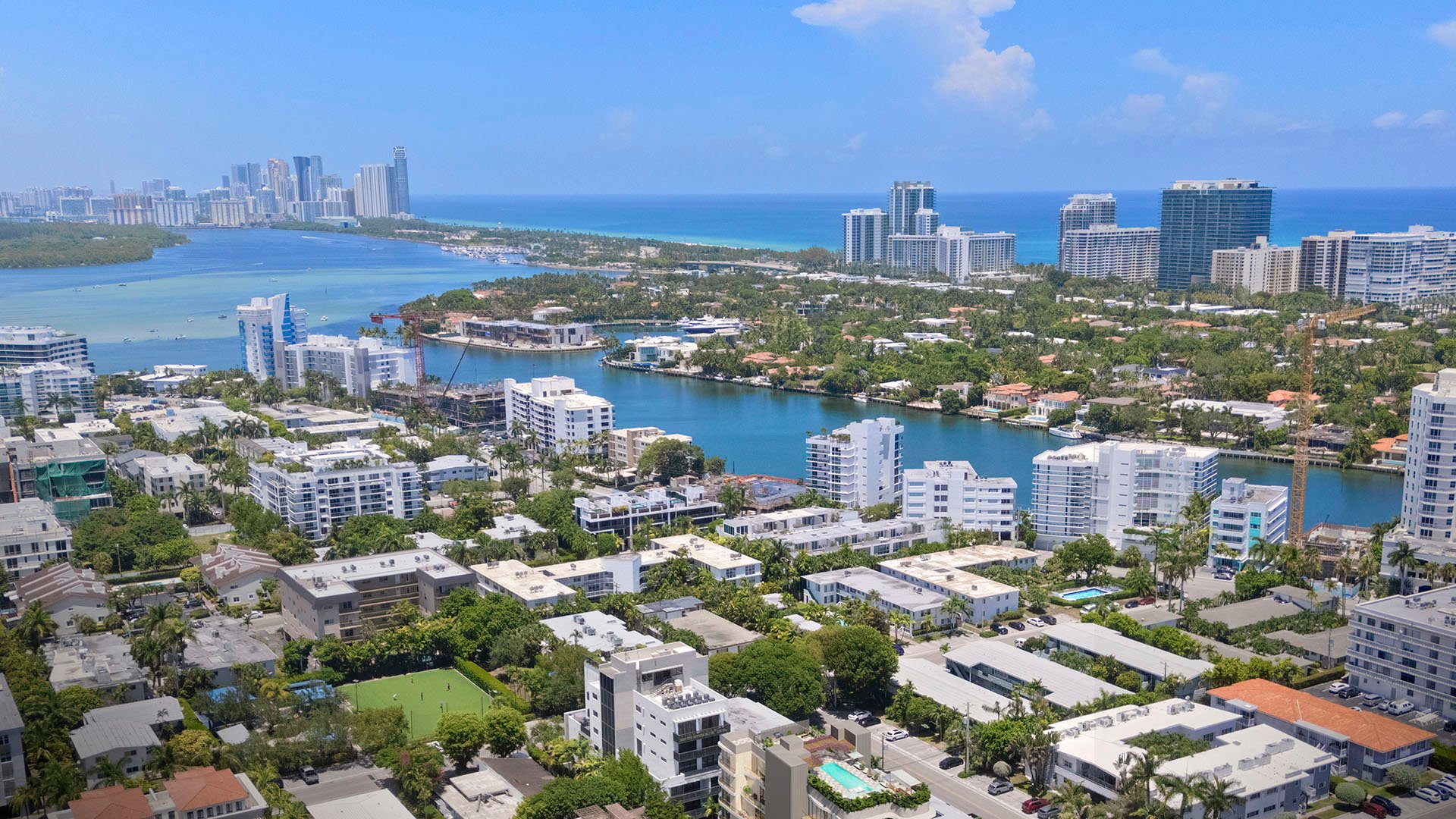
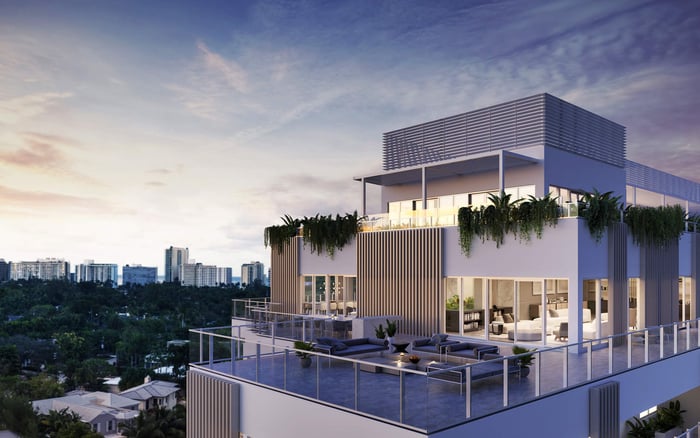
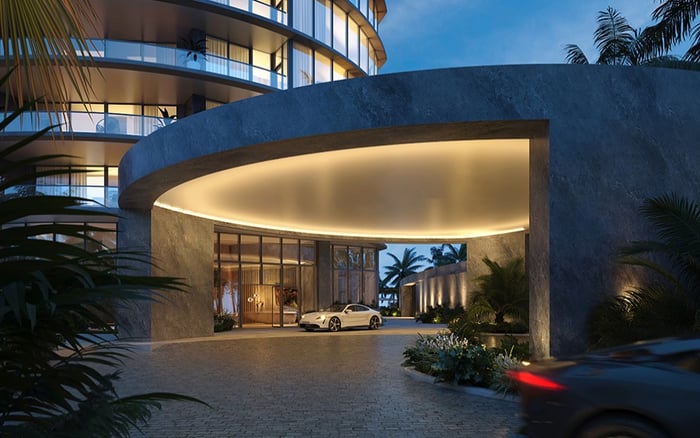
Mila Bay Harbor Islands is planned as an eight-story condominium with just nine residences at 1125 97th Street. Developed by Islands Development Group and designed by Kobi Karp Architecture & Interior Design, the building centers on full-floor, through-plan homes with private elevator entry and terraces spanning approximately 1,100 square feet. Plans range from roughly 2,100 to 3,900 square feet, with configurations of up to four bedrooms.
That degree of privacy is central to Mila’s appeal, but it changes the due-diligence equation. Just nine owners may ultimately share common costs, insurance premiums, reserves and catastrophe deductibles. A buyer planning to occupy the residence seasonally must also determine what happens when the apartment is empty, who monitors it and how quickly someone can respond after severe weather.
In a nine-residence building, privacy and financial concentration are two sides of the same proposition.
Sales are scheduled to begin in December 2025, with completion projected for 2027. Mila should therefore be evaluated as a preconstruction purchase, with final obligations established by the executed contract, declaration, budget and condominium documents-not promotional materials. Pricing, dimensions, dates and amenities remain subject to change.
The first request should be a complete proposed insurance package. Ask for the association budget, master-policy specifications, valuation methodology, exclusions and formula for allocating premiums among nine owners. Confirm how the policy is expected to address windstorm and flood losses, which deductibles apply and whether a deductible can be charged back through a special assessment.
Low density can be elegant, but it can also magnify each owner’s exposure. Review the declaration’s assessment powers, reserve assumptions and catastrophe-deductible language with Florida condominium counsel and an insurance adviser. Do not treat an estimated monthly association charge as a complete measure of risk.
The unit policy requires a separate analysis. Obtain a quote written expressly for seasonal condominium occupancy. It should address interiors, owner improvements, contents, personal liability, water damage and extended periods of vacancy. Ask what inspection cadence, leak-detection measures or caretaker arrangements the carrier may require. If leasing is contemplated, verify the building’s minimum term, approval process and frequency limits before selecting coverage or projecting income.
Plans call for impact-resistant, floor-to-ceiling glazing. An insurance professional should determine whether the completed installation may qualify for wind-mitigation credits and identify the inspection records a carrier will require. A marketing specification alone is no substitute for carrier-approved documentation.
Second-home service is not simply a question of whether the lobby is staffed. The proposed operating model should specify whether Mila expects on-site employees, part-time personnel, shared staff or an off-site management company. That distinction affects access, response times and the realistic level of support available to an absentee owner.
Because Alma Bay Harbor Islands is planned as a nine-residence sister building by the same developer, buyers should ask whether the properties will share management, security or maintenance contracts. Any presumed efficiency should appear in proposed budgets and binding documents, not merely in conversation.
Create a written responsibility matrix. Who admits contractors and deliveries? Who conducts routine interior checks, records humidity or visible leaks, prepares large terraces before a storm and photographs conditions afterward? Determine how emergencies are escalated, which services are included in association charges and which require a privately retained home manager.
Rules for private staff matter as well. Review registration procedures, key custody, parking, elevator reservations and permitted work hours for cleaners, house managers and specialty vendors. A boutique building may offer discretion, yet a very small team may have limited capacity when several owners need simultaneous storm preparation or post-event access.
A serious property-tax forecast should reflect the anticipated purchase price and the buyer’s second-home status. Existing parcel taxes or another residence’s bill are not reliable proxies for the completed acquisition. Commission a written estimate and stress-test it alongside insurance, association charges, reserves, private maintenance, routine inspections and potential assessments.
Before contracting, Florida tax and estate advisers should compare personal, trust and entity ownership. The appropriate structure depends on liability, financing, succession and tax considerations, and it should be selected before documents and deposits make a later change more cumbersome. This is especially important for an investment analysis that may include family use, future leasing or cross-border estate planning.
Request a closing estimate that separately identifies deposits, financing charges, documentary and recording costs, association contributions, insurance escrows and developer-imposed items. The objective is not merely a closing number, but a complete capital schedule spanning contract, completion and the first stabilized year of ownership.
Mila’s nine-home program is notably smaller than nearby Onda Bay Harbor, an eight-story waterfront condominium with 41 residences. The comparison should not be reduced to which building is more exclusive. Buyers should examine how each operating model translates into staffing coverage, common-cost allocation, reserve funding and response capacity.
Other nearby options can sharpen the brief. A buyer reviewing The Well Bay Harbor Islands should compare the practical service proposition, not simply the amenity count or design language. For buyers screening Bay Harbor opportunities, the essential question is whether the level of operational support matches the intended pattern of use.
This is where conventional buyer’s guides can fall short. Second-home ownership introduces an absence risk that a primary resident can often manage personally. The most valuable amenity may be a documented protocol for access, inspections, storm preparation and post-event reporting.
Before signing, the buyer’s advisers should assemble a coordinated file containing the proposed budget, declaration, insurance specifications, reserve assumptions, assessment provisions, staffing plan, vendor rules, leasing restrictions, tax forecast, ownership analysis and closing-cost estimate. Each item should identify the responsible party, what remains preliminary and when final documentation must be delivered.
The residence itself may deliver the spaciousness and discretion of a private home, minutes from Bal Harbour Shops and Surfside, along with secure covered parking, rooftop space and landscaped fitness and wellness areas. The disciplined buyer, however, values operational clarity as highly as architecture. In a nine-owner condominium, small assumptions can become meaningful recurring costs.
For confidential advice on evaluating Mila and comparable South Florida residences, connect with MILLION.
If branded residences are on your mind — as a home or as an allocation — we would be glad to share what we are seeing, privately.
Begin a quiet conversationMila is planned as an eight-story condominium with nine residences, creating a notably low-density ownership structure.
Common expenses, reserves, insurance premiums and catastrophe deductibles may be allocated across only nine owners, increasing the importance of budget and assessment review.
No. Marketing information lists sales beginning in December 2025 and projects completion in 2027, so buyers should treat it as a preconstruction purchase.
Request the proposed association budget, master-policy specifications, valuation methodology, exclusions, premium allocations and applicable windstorm and flood deductibles.
The policy should be written for seasonal condominium occupancy and address interiors, improvements, contents, liability, water damage and unoccupied periods.
It may qualify for wind-mitigation credits, but an insurance professional should confirm eligibility and the inspection documentation required by the carrier.
Confirm who handles access, routine checks, deliveries, terrace preparation, emergency escalation and post-storm condition reports.
Shared management, security or maintenance is possible, but any arrangement should be verified in proposed budgets and binding documents.
Use the anticipated purchase price and second-home status rather than taxes on the existing parcel or a comparable residence.
Include property taxes, unit and master insurance, association charges, reserves, routine inspections, private maintenance and potential assessments.