A buyer-focused guide to separating property-backed mortgage approval from securities-backed liquidity, with practical checks for contract deadlines, collateral conditions and repayment planning at Banyan Tree Residences West Palm Beach.
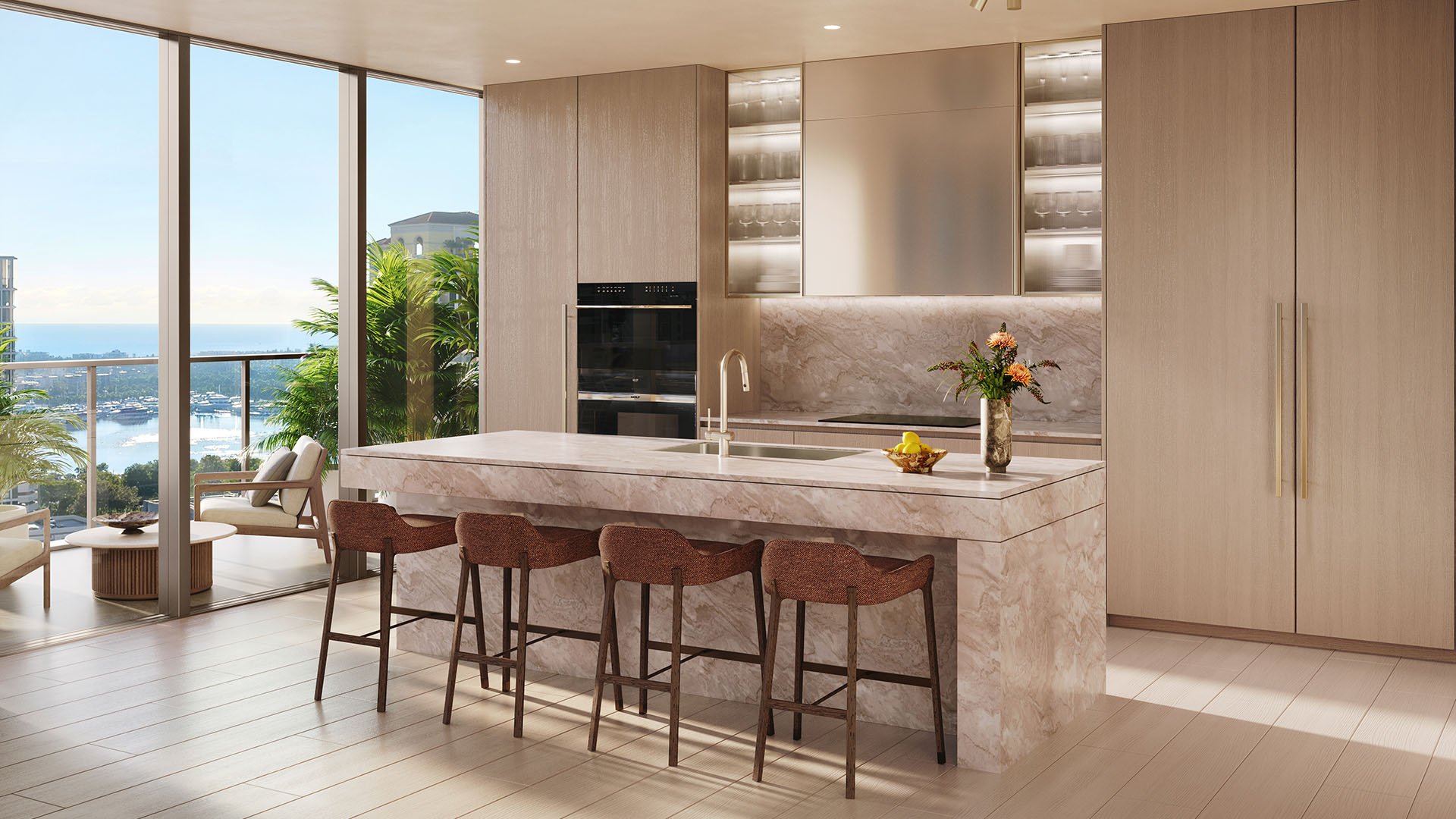
For a buyer considering Banyan Tree Residences West Palm Beach, financing deserves the same scrutiny as the residence itself. A portfolio-held mortgage and a securities-backed line of credit may both merit consideration, but they solve different problems. One provides property-backed lending; the other raises liquidity against investment assets.
The distinction matters most when a purchase obligation meets a funding deadline. A substantial balance sheet is not the same as confirmed closing liquidity. The serious buyer’s task is to establish which approvals remain outstanding, which assets must remain available and what happens if the property timetable or investment portfolio changes.
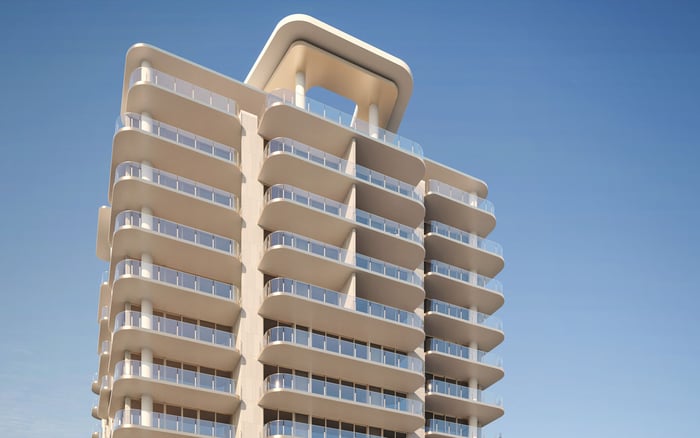
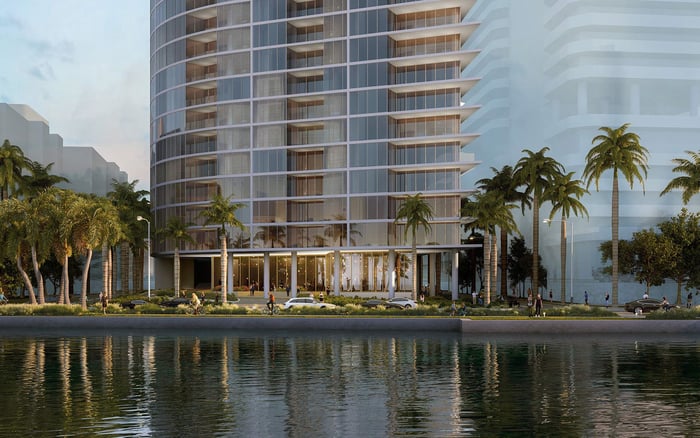
Planned for 400 Hibiscus Street, Banyan Tree’s first residential address in the United States brings together Mast Capital, Curated JCZM Development and Banyan Group. The offering comprises 88 one- to four-bedroom corner residences. Prices started at $1.9 million at the March 2026 launch; that figure is not a current quotation.
Completion is expected in 2029, but that is not a guaranteed contractual delivery date. The Downtown Action Committee granted unanimous approval on August 12, 2026; that milestone does not guarantee delivery.
Before selecting financing, ask counsel to identify the governing purchase obligations:
What deposit amounts, payment dates and closing-notice requirements apply to this residence?
Does the agreement provide any financing contingency, extension right or remedy if funding is delayed?
Which developer-furnished documents establish the representations and obligations on which the buyer may rely?
Review the brochure and developer-furnished documents with counsel. Treat those documents as the starting point; do not assume that a preferred financing strategy changes the purchase agreement.
A portfolio-held condo mortgage is not a loan against a securities portfolio. For non-warrantable condo lending, portfolio lenders apply lender-specific underwriting rather than agency-sale rules, considering borrower credit, down payment, reserves and building condition. This describes a financing category-not a determination that Banyan Tree is non-warrantable.
Ask the prospective mortgage lender to distinguish in writing between what has been approved and what remains conditional:
Is borrower approval complete, and which financial documents require updating before funding?
Has the lender accepted the condominium project for this particular loan, or is review still open?
What down payment and reserves are required, and how will pledged or borrowed assets be treated?
Which property, building or closing documents must be delivered before funds can be released?
What are the commitment’s expiration and renewal conditions if the closing timetable changes?
A favorable borrower conversation does not confirm that the residence can be financed on the proposed terms. Request the conditions that control funding, not simply an indicative borrowing amount.
If Alba West Palm Beach is also on your shortlist, use the same questions for that purchase. Do not apply an answer about one condominium to another transaction without lender confirmation.
A securities-backed line of credit, or SBLOC, uses investment assets as collateral. Eligible assets may include securities held in a taxable, non-retirement brokerage portfolio, subject to the provider’s rules. An SBLOC can fund a home purchase without first liquidating the pledged investments.
The attraction is purchasing power without an immediate investment sale-not the removal of financing risk. The closing checklist shifts toward collateral eligibility, available borrowing capacity and the conditions for drawing the line.
Ask the SBLOC provider:
Which holdings qualify, and how do concentration limits affect the available amount?
What maintenance requirements apply if collateral values decline?
Under what circumstances could additional collateral or repayment be required, and on what timetable?
What conditions must be satisfied before a draw, and how will availability be confirmed near closing?
What interest terms, fees and repayment provisions govern the proposed borrowing?
SBLOC proceeds generally cannot be used to purchase additional securities or pay down existing margin debt. Confirm that the agreement permits the intended home-purchase use rather than relying on the broad label “portfolio credit.”
Ask your adviser to model a decline in pledged asset values before closing and during the expected borrowing period. Identify which unpledged resources could cover a shortfall without depending on another loan approval.
With completion expected in 2029, the question is not merely whether financing looks attractive today. It is whether the proposed capital will be available when the contract requires it.
Ask counsel and the financing provider to reconcile the purchase timetable with approval expirations, collateral review and draw requirements. Which conditions must be revisited as delivery approaches? How much notice does each party require? Who will confirm the final amount available for closing?
If you intend to combine an SBLOC with a mortgage, ask the mortgage lender how the securities-backed borrowing affects underwriting, reserves and acceptable funding sources. Do not assume that two facilities discussed independently will work together automatically.
Prepare a written funding plan that distinguishes deposits, the remaining purchase balance, closing costs and retained liquidity. Ask the closing team to confirm the applicable figures and transfer instructions. Each obligation should have an identified funding source and a named person responsible for confirming readiness.
Sanctuary Club benefits include priority resort access, preferred rates and bespoke experiences. Those privileges belong in the ownership evaluation, alongside the residence itself. They do not resolve questions about lender acceptance, available collateral or contractual extensions.
For a buyer also considering Mr. C Residences West Palm Beach, keep lifestyle preferences and funding diligence separate. Compare the ownership proposition on its own merits, then review each purchase agreement and financing proposal independently.
An SBLOC repayment plan may depend on a later liquidity event, such as selling an existing home or business. Before relying on that strategy, ask what happens if the event is delayed or produces less cash than expected. If later mortgage financing is the intended exit, establish which approvals would still be necessary rather than treating refinancing as assured.
The final review should answer three questions: What remains outstanding before money can move? What could reduce available funding? What independent resources support the purchase if the preferred route changes? Review those answers with counsel, the financing provider and your financial and tax advisers before committing to the structure.
For a discreet conversation about your West Palm Beach purchase priorities, connect with MILLION.
If branded residences are on your mind — as a home or as an allocation — we would be glad to share what we are seeing, privately.
Begin a quiet conversationThe development is planned for 400 Hibiscus Street in downtown West Palm Beach.
The offering comprises 88 one- to four-bedroom corner residences and is presented as Banyan Tree’s first residential address in the United States.
The $1.9 million figure was the starting price at the March 2026 launch. Confirm current pricing for the residence under consideration.
2029 is the expected completion year, not a guaranteed contractual delivery date. Review the purchase agreement for the applicable delivery and closing provisions.
A portfolio-held condo mortgage concerns property-backed lending under the lender’s underwriting standards. An SBLOC uses eligible investment assets as collateral to provide liquidity.
Do not assume that classification. Ask the prospective lender to confirm the project’s eligibility for the specific mortgage being considered.
Yes, securities-backed borrowing can provide purchase funds without first liquidating pledged investments. Collateral eligibility and draw conditions remain subject to the provider’s agreement.
Falling collateral values can affect borrowing availability and maintenance requirements. Ask the provider when additional collateral or repayment could be required and what timetable would apply.
SBLOC proceeds generally cannot be used to purchase additional securities or pay down existing margin debt. Confirm permitted uses in the credit agreement.
Identify the expected repayment source and test what happens if it is delayed or smaller than anticipated. A planned home or business sale should be evaluated alongside available backup liquidity.