This guide shows seasonal buyers how to use FLIBS week to evaluate access, building operations, infrastructure, and service reliability before selecting a Fort Lauderdale condo.
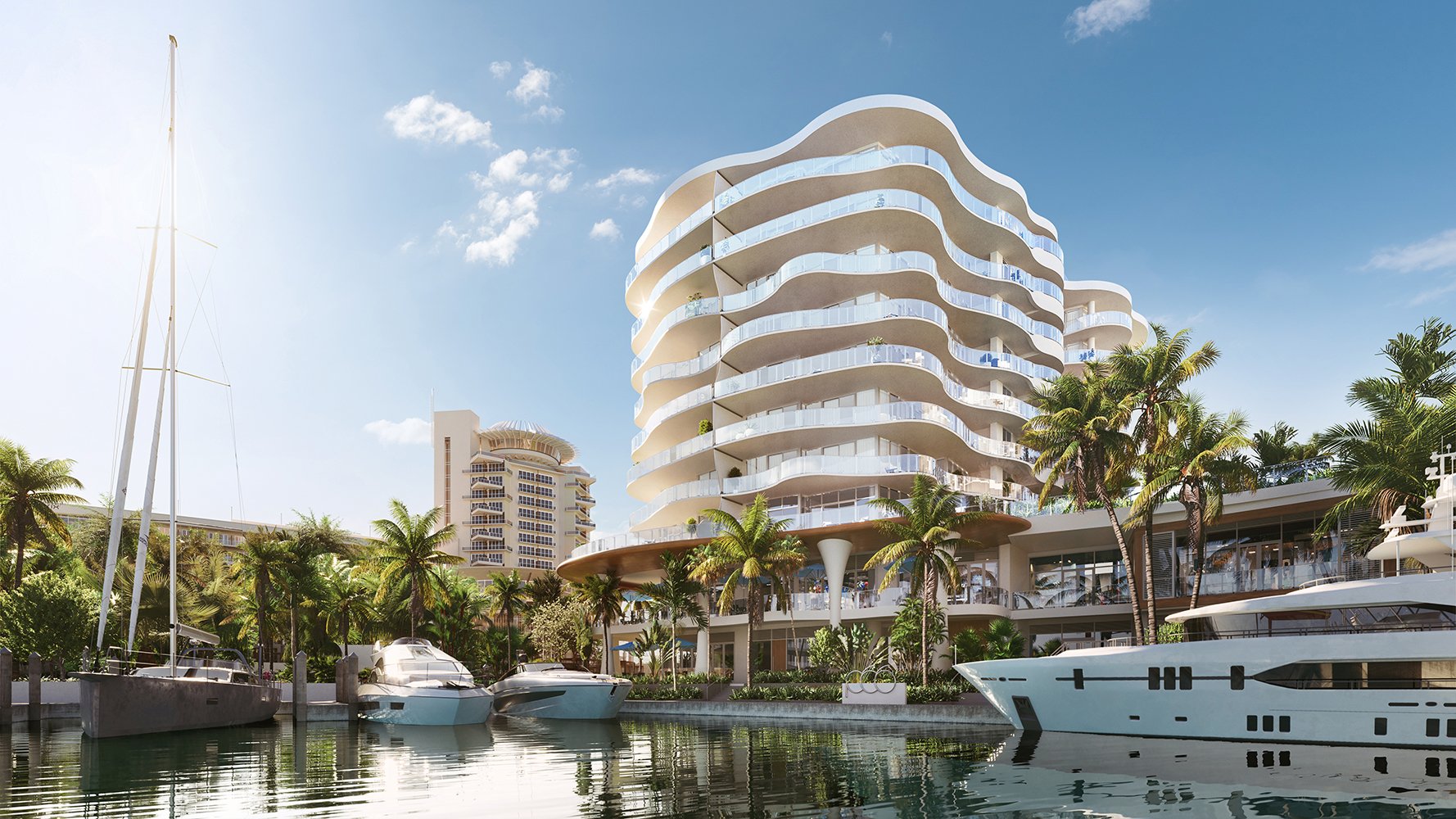
For a seasonal buyer, FLIBS week can serve as a practical opportunity to observe Fort Lauderdale waterfront living. Instead of focusing only on a residence’s design and views, examine how its access, staffing, infrastructure, and service protocols perform during a busy period.
Visit each candidate at different times. Record vehicle queues, valet procedures, guest access, pedestrian conditions, delivery management, and the route to any marina or waterfront destination important to your routine.
Request documentation for generator testing, elevator service, HVAC maintenance, drainage work, preventive maintenance, emergency staffing, and vendor response. Ask management to identify which systems receive emergency power, how those systems are tested, and how corrective work is documented.
Review concierge, valet, security, housekeeping, dock, and repair procedures. Ask how staffing is adjusted during peak occupancy or major events, then compare management’s explanation with available records, inspections, and resident feedback.
A polished arrival should not replace operational due diligence. The objective is to determine whether the building’s documented procedures align with the level of reliability expected from a seasonal South Florida residence.
Apply one checklist to every candidate. Fort Lauderdale options may include St. Regis® Residences Bahia Mar Fort Lauderdale, Four Seasons Hotel & Private Residences Fort Lauderdale, Auberge Beach Residences & Spa Fort Lauderdale, and Sixth & Rio Fort Lauderdale.
Do not assume that one location or management format will suit every buyer. Compare arrival patterns, staffing plans, maintenance documentation, emergency procedures, and access to the places you expect to use during winter.
Using identical questions for each residence makes operational differences easier to identify. Keep written notes so that architecture, amenities, and presentation do not overshadow service reliability.
If boating is part of the ownership plan, review dock access and operations separately from residential services. Ask about access controls, staffing, maintenance responsibilities, guest procedures, and repair coordination relevant to the residence under consideration.
Use the same preventive mindset for the condo itself. Look for scheduled servicing, documented inspections, clear lines of responsibility, and a defined process for handling equipment failures or water-related issues.
Return outside the event period and repeat the most important routes and arrival tests. Compare those observations with building documents, inspection findings, maintenance histories, and interviews.
Rank each residence according to the factors that matter to your winter routine, including access, emergency systems, staffing depth, vendor coordination, and transparency. Make the final choice only after independently verifying the building-specific information provided during the sales process.
Why visit a condo during FLIBS week? Use the visit to observe access, arrival procedures, staffing, and service performance during a demanding period.
Which building records should a buyer request? Request available records covering generators, elevators, HVAC, drainage, preventive maintenance, incidents, and vendor work.
What should I ask about emergency power? Ask which systems receive backup power, how testing is documented, and how identified problems are corrected.
How can I evaluate staffing quality? Observe service in person and compare what you see with staffing procedures, building records, and resident feedback.
Does proximity to FLIBS guarantee convenient access? Do not assume it does; personally test the routes, vehicle queues, valet process, and pedestrian approach relevant to your routine.
Should dock operations receive a separate review? Yes. Examine access controls, staffing, maintenance responsibility, guest procedures, and repair coordination if dock use matters to you.
Is one show-week visit enough? No. Treat it as an observation period, then verify impressions through documents, inspections, interviews, and a return visit.
Why visit again after the event? A second visit helps you compare event-period conditions with the building’s operations at another time.
How should multiple residences be compared? Use the same questions, document requests, routes, and scoring criteria for every candidate.
What should guide the final decision? Prioritize the residence whose verified operations, access, and service approach best support your intended winter use.
When you're ready to tour or underwrite the options, connect with MILLION.
If branded residences are on your mind — as a home or as an allocation — we would be glad to share what we are seeing, privately.
Begin a quiet conversation