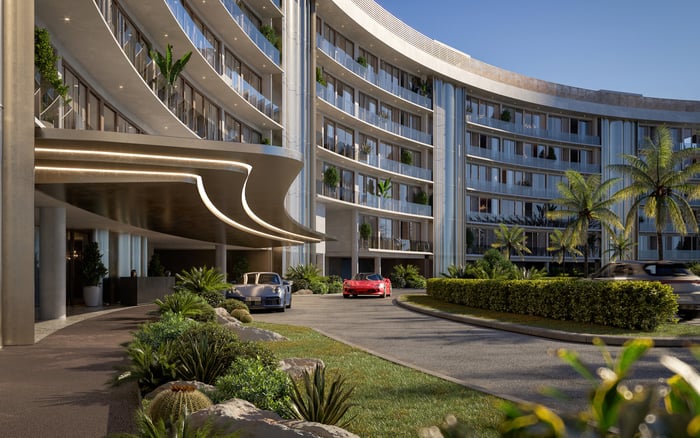
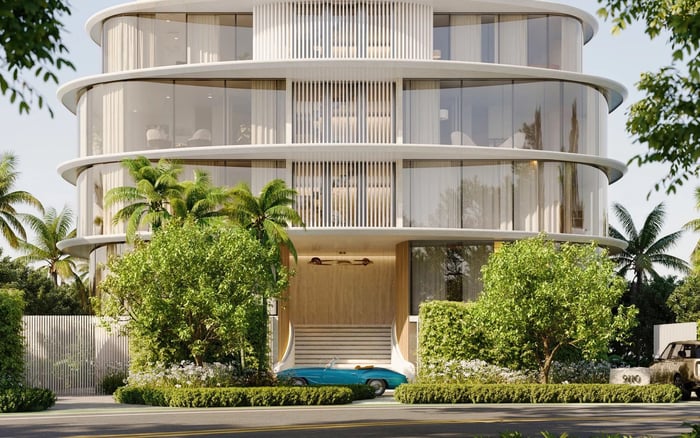
For collectors comparing these two branded residences, the decisive questions concern what art remains, how it is illuminated, and who authorizes private installations. Bahia Mar’s explicit collection language and its ownership caveats offer a different starting point from South Beach’s less art-specific marketing.
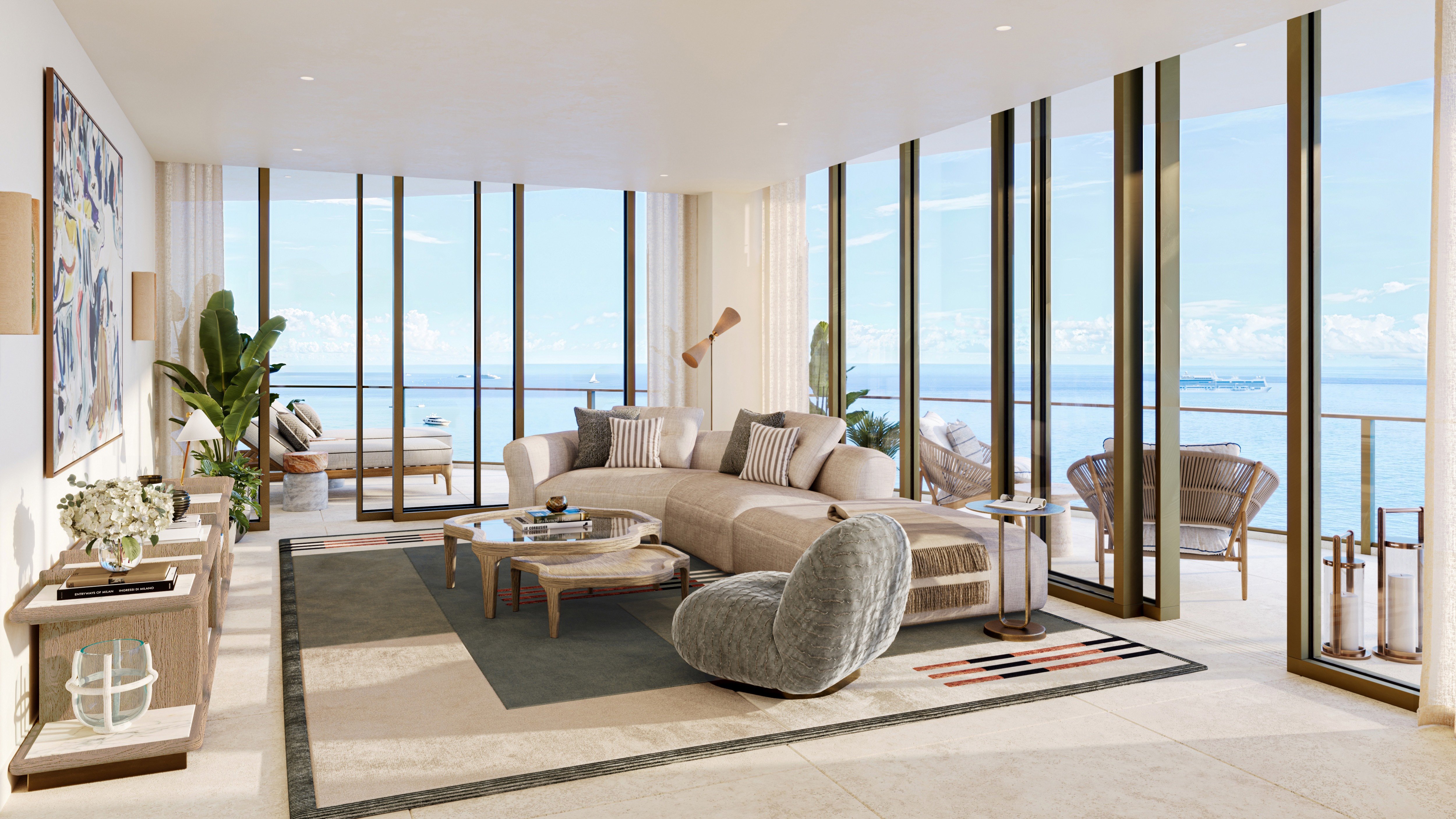
For a collector, a residence must offer more than a beautiful backdrop. It should accommodate the practical realities of living with art: thoughtful display, safe installation, and clear responsibility when circumstances change. Those questions frame a useful comparison between The Ritz-Carlton Residences® South Beach and St. Regis® Residences Bahia Mar Fort Lauderdale-not an art-program ranking.
Bahia Mar is marketed with a “curated collection of museum-quality art” alongside access to St. Regis resort amenities. At South Beach, the marketing emphasis is on hospitality and wellness, including a Ritz-Carlton Spa, fitness center, yoga and meditation studio, oceanfront pool, and hydrotherapy circuit. An equivalent explicit collection commitment is absent from the reviewed marketing.
That distinction establishes where a buyer’s inquiry begins, not which property is better for art. A visible collection, a durable ownership arrangement, and a suitable environment for privately owned works are separate propositions. The purchase conversation should treat them that way.
Bahia Mar’s collection language carries consequential qualifications. Displayed artwork may be loaned rather than owned by the condominium association. Works installed in the towers or common areas at completion may be removed before turnover to the association, and replacements are not assured.
For a buyer drawn to a particular installation, permanence is therefore a question to resolve, not an attribute to assume. The issue is not whether a loaned work can be exceptional, but whether continued access to it forms part of the residential commitment.
Request an inventory distinguishing association-owned pieces from loans, with loan durations, maintenance duties, insurance responsibilities, and relocation rights. Ask which delivery or replacement obligations, if any, survive association turnover. If a specific work influences the purchase decision, seek written clarity about its status rather than relying on its presence during a presentation.
At South Beach, whether common-area art would be owned, leased, loaned, rotated, or transferred at turnover remains unspecified in the reviewed marketing. That is not evidence that no collection exists. The same inventory and responsibility questions remain appropriate, without presuming Bahia Mar’s arrangements apply in Miami Beach.
“Museum-quality” describes Bahia Mar’s marketed art collection; it does not establish a conservation-grade lighting standard. Museum-grade lighting specifications for private residences or common-area displays are not established for either property in the reviewed materials.
The next step is a technical request, not a debate over adjectives. Ask for proposed illumination levels at the artwork, fixture specifications, aiming details, color temperature, color rendering, dimming, ultraviolet filtering, and glare control. Request relevant environmental specifications as well. These are recommended diligence questions, not confirmed features at either property.
Separate the inquiry into two settings: shared spaces managed for the building and rooms that will hold your own collection. A common-area installation does not establish how a particular work will be lit inside a residence. Have your art adviser or conservator assess the proposed conditions against the needs of the works you intend to bring.
If your Miami Beach search also includes Shore Club Private Collections Miami Beach, carry the same specification request into that comparison. The aim is a consistent buyer standard, not an assumption that another property offers equivalent lighting or collection services.
A detailed private-owner art-submission process covering installation vendors, wall loads, insurance, and approval timelines is not established for either featured property in the reviewed materials. Buyers should not interpret that silence as unrestricted permission or as a prohibition on substantial installations.
Begin with the condominium documents and alteration rules. Ask how they address anchors, wall loads, structural or waterproofing penetrations, contractors, freight elevators, work hours, and restoration. Identify the decision-maker, the required submission materials, and the expected review sequence. These are matters to clarify, not requirements confirmed for either development.
For a substantial work, prepare an installation brief specifying dimensions, weight, mounting approach, location, and handling needs. Use it to seek a project-specific response before committing to fabrication, shipping, or installation dates. Replace a general assurance with an answer tied to the actual work.
At Bahia Mar, improvements, designs, and construction are also subject to applicable government permits and approvals, which may require changes to designs, floor plans, or layouts. That qualification is separate from a resident’s installation approval. Buyers considering a work for a particular wall should ask how any design revision would affect the proposed installation.
Collection management extends beyond the moment a piece reaches its intended wall. Ask who bears responsibility during transit, delivery, temporary storage, installation, and later removal. Confirm how the relevant insurance arrangements address theft, water damage, and restoration, and where the owner’s responsibilities begin.
For either the South Beach or Fort Lauderdale purchase, include hurricane-relocation responsibilities in the inquiry. Do not assume hospitality services encompass moving, safeguarding, or reinstalling privately owned art. Ask whether such assistance is offered and, if so, under what written scope and insurance terms.
Common-area works warrant a parallel inquiry. Establish who maintains them, who can authorize relocation, and how responsibilities change at association turnover. Ownership alone is not a complete management plan; a loan also needs clear terms for care and return.
A disciplined decision can rest on three sets of documents: collection ownership and turnover terms, lighting and environmental specifications, and private-installation rules with assigned responsibilities. Review them together so an appealing display concept does not outrun the building’s documented arrangements.
Bahia Mar has the more explicit art-program statement in the reviewed marketing, paired with clear caveats about loans, removal, and replacement. At South Beach, the reviewed marketing provides less art-specific disclosure. Neither position, by itself, establishes a superior setting for a buyer’s collection.
The strongest fit is the residence whose documented conditions align with the works you own and the way you intend to live with them. Resolve the significant questions before treating art display as a settled part of the purchase.
For a discreet conversation about selecting a South Florida residence around your collection, connect with MILLION.
If branded residences are on your mind — as a home or as an allocation — we would be glad to share what we are seeing, privately.
Begin a quiet conversationYes. Bahia Mar is marketed with a curated collection of museum-quality art, alongside access to St. Regis resort amenities.
Not necessarily. The disclosures state that displayed artwork may be loaned rather than owned by the condominium association.
Yes. Artwork installed in the towers or common areas at completion may be removed before association turnover, and it may or may not be replaced.
That conclusion is not supported. The reviewed South Beach marketing does not provide an equivalent explicit museum-quality collection commitment or disclose common-area art ownership arrangements.
Neither property’s reviewed materials establish museum-grade lighting specifications. Bahia Mar’s museum-quality language describes its marketed collection, not a documented lighting standard.
Request illumination levels, fixture and aiming details, color temperature, color rendering, dimming, ultraviolet filtering, glare control, and relevant environmental specifications.
The reviewed materials do not establish a detailed private-owner installation protocol for either property. Buyers should obtain condominium documents and alteration rules before planning substantial installations.
Ask about anchors, wall loads, structural or waterproofing penetrations, contractor requirements, freight access, work hours, and restoration. Confirm who approves the proposal and the expected review sequence.
Clarify responsibility for transit, installation, water damage, theft, hurricane relocation, and restoration. Do not assume hospitality services include handling or safeguarding privately owned art.
No such authorization is established by that disclosure. It concerns permits and approvals for the development’s improvements, designs, and construction, rather than a resident’s individual art proposal.